Saylia/Blog

Wuthering Heights

Six essays on the novel and the playable version of it: whether Heathcliff is a villain or a child who was starved and beaten into one, how he actually dies and what the book will and will not say about the haunting, the eighteen chapters every screen version drops, what Catherine is really claiming in the most quoted line in Wuthering Heights, why a windowsill in chapter three explains the repeated names, and the arithmetic that settles the love-story argument.

Role-play Wuthering HeightsAll book essays
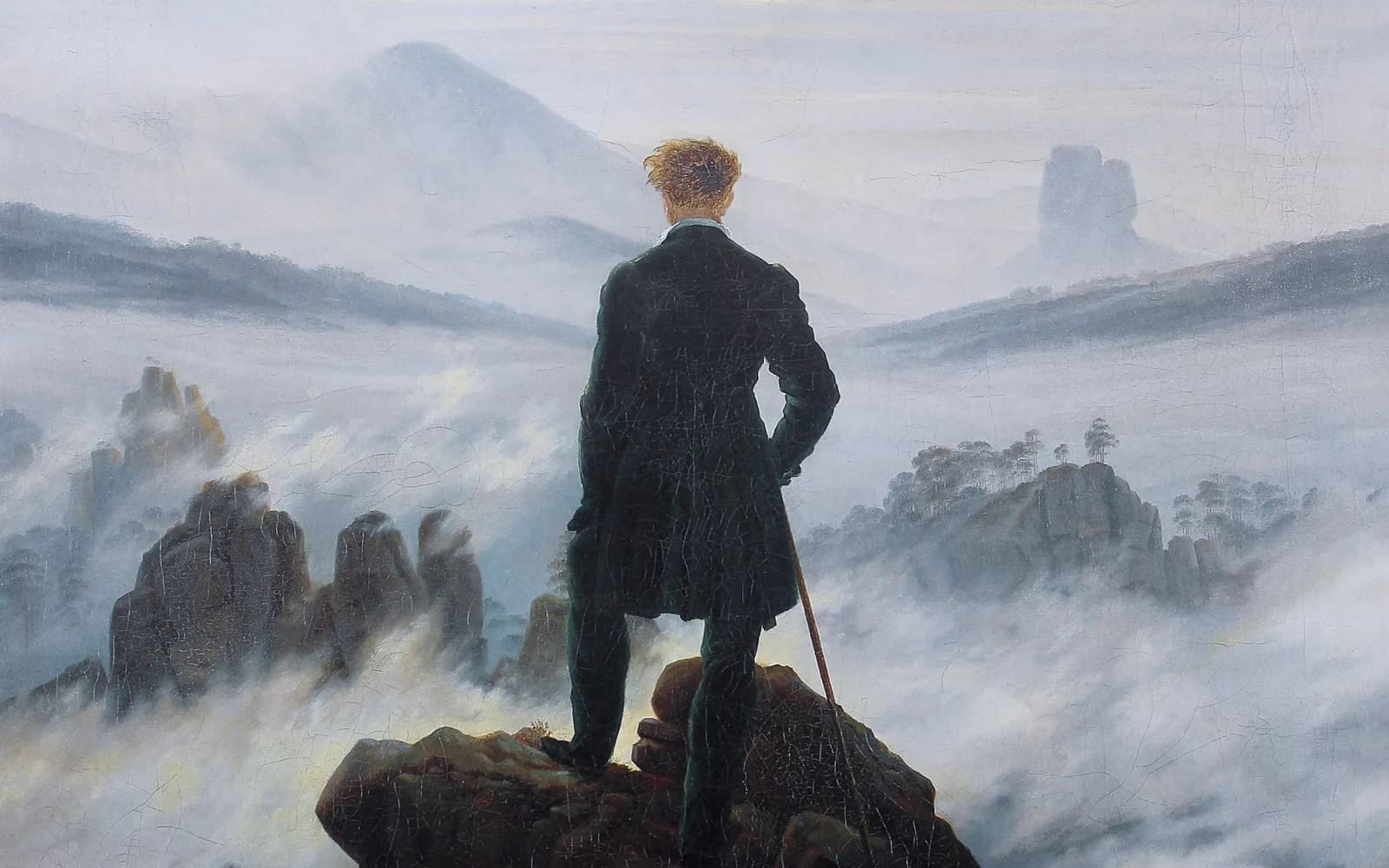
Caspar David Friedrich's painting of a man in a dark coat standing with his back to the viewer on a jagged rock outcrop, one hand on a cane, looking out over a valley of drifting fog toward distant peaks
Not a Romantic Hero

Is Heathcliff a Villain — or Just Traumatized?

One side reads a starved, beaten child who grew into what damaged people grow into. The other reads a landlord who spends eighteen years ruining people who were infants when he was wronged. Emily Brontë stacks the evidence for both into the same chapters and declines to sort it for you.

September 9, 2026 · 10 min read

John Constable's watercolour of the standing stones at Stonehenge on open grassland under a turbulent sky of dark diagonal cloud and a faint double rainbow, with two tiny figures near the stones
How Heathcliff Dies

Wuthering Heights's Ending, Explained: How Heathcliff Actually Dies

He stops eating, stops sleeping, insists neither is a decision, and is found on his back with the window swinging open in the rain and an expression the housekeeper cannot get off his face. The book never says a ghost came for him. It also never says one didn't.

September 9, 2026 · 10 min read

J.M.W. Turner's painting of a swirling vortex of grey-green sea and sky around a dark steamboat, its single mast barely visible, with a reddish streak of smoke rising through wind-blown spray
Same Half, Every Time

Every Wuthering Heights Film Cuts the Same Eighteen Chapters

There is a joke among people who have read the book that no film of Wuthering Heights has ever been made, only films of the first half. It has been very nearly literally true for the best part of a century, across versions with almost nothing else in common.

September 9, 2026 · 10 min read

Caspar David Friedrich's painting of two cloaked men standing close together on a rocky path with their backs to the viewer, beneath the bare branches of a leaning oak, a crescent moon in a dusky sky
Not a Love Confession

'Nelly, I Am Heathcliff': What Catherine's Famous Line Actually Means

It ends up on rings, on forearms and in wedding readings, and it is spoken by a woman explaining to an unimpressed housekeeper why she is going to marry a different man. Read the scene whole and the line stops working the way the merchandise needs it to.

September 9, 2026 · 9 min read

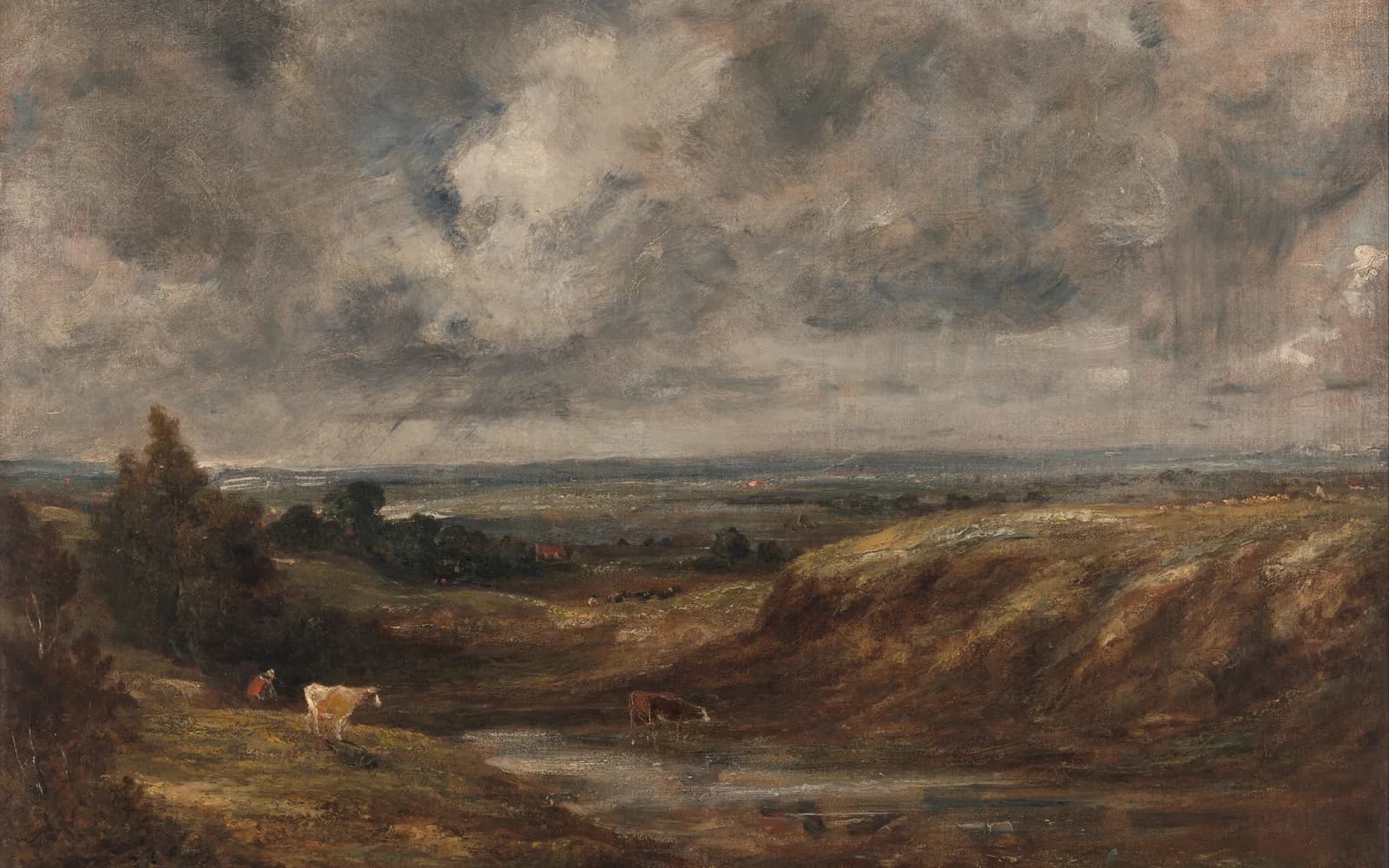
John Constable's wide view of Hampstead Heath under a heavy grey-white cloudbank, with two cows standing by a small pond in a sandy hollow at the left and flat countryside stretching to the horizon
Three Catherines, One Name

The Wuthering Heights Family Tree — and Why the Names Keep Repeating

People stall on this book at the names, not the weather. By chapter three you have met a Catherine Earnshaw, a Catherine Heathcliff and a Catherine Linton. The reasonable conclusion is that somebody should have edited this. The actual answer is that the repetition is the design.

September 9, 2026 · 9 min read

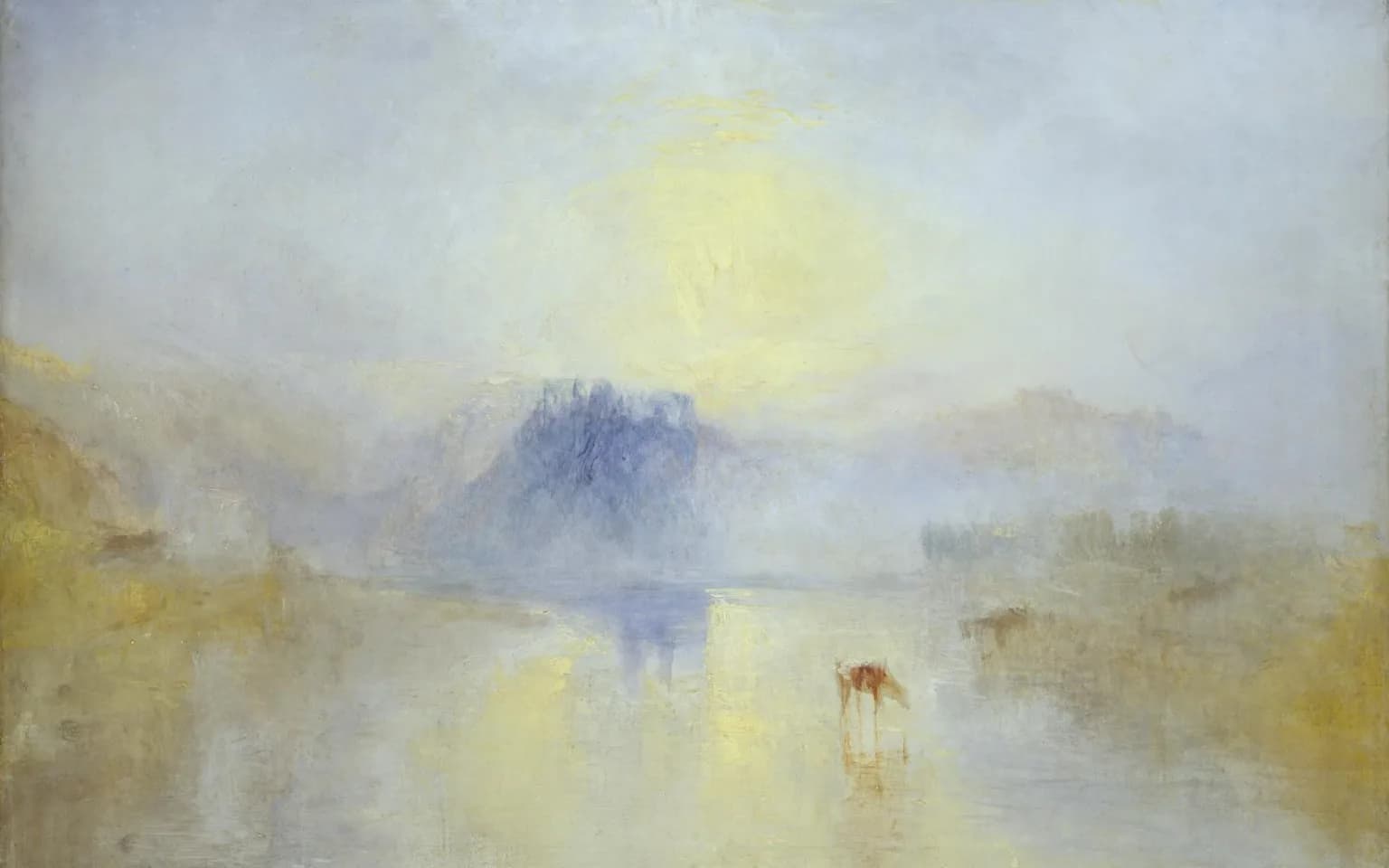
J.M.W. Turner's painting of a hazy golden sun low over a calm river, its light reflected in the water, with a castle ruin showing as a soft blue-grey silhouette in mist on the far bank
A Revenge Story

Is Wuthering Heights a Love Story, or a Revenge Tragedy?

The marketing has been consistent for about a century: greatest love story ever told, two souls, one moor. Readers who finish the book arrive at the last page holding something else, and the gap between those two experiences is measurable in chapters.

September 9, 2026 · 9 min read