Saylia

The Saylia Blog

Long-form companions to the Saylia book podcasts — a fresh 2026 reading of each episode, grouped by book. Newest series first.

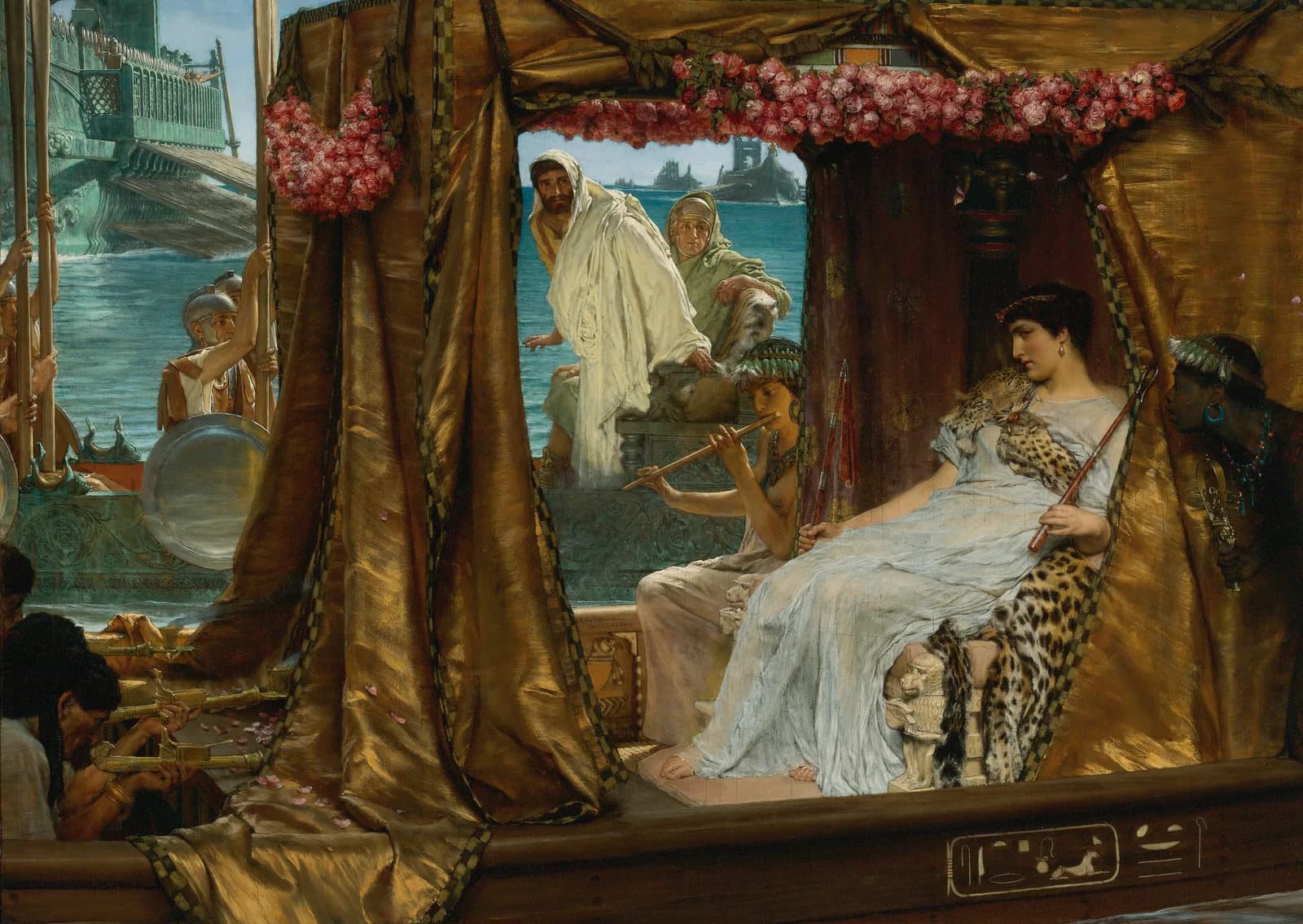
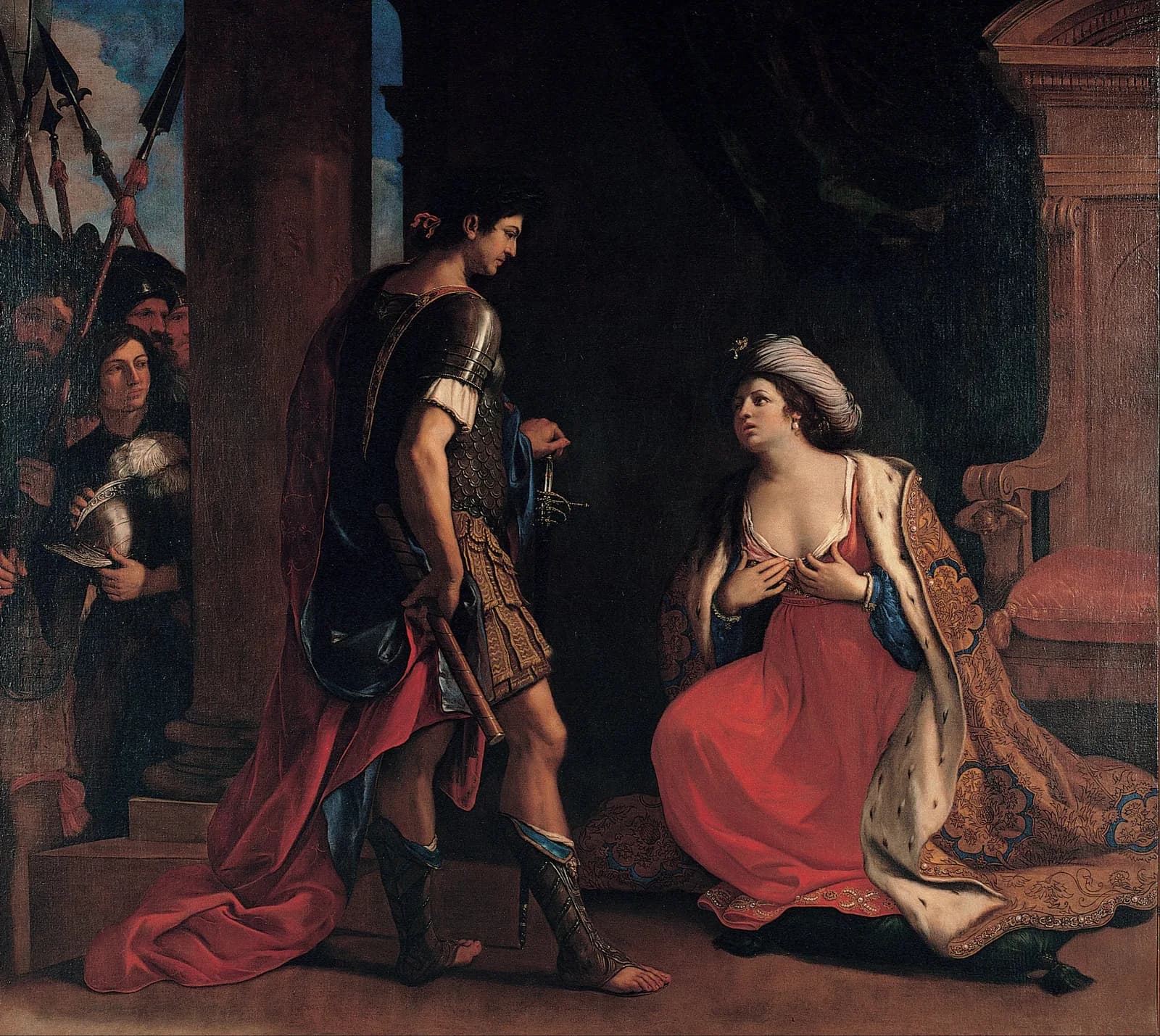
Antony and Cleopatra

All Antony and Cleopatra essays →
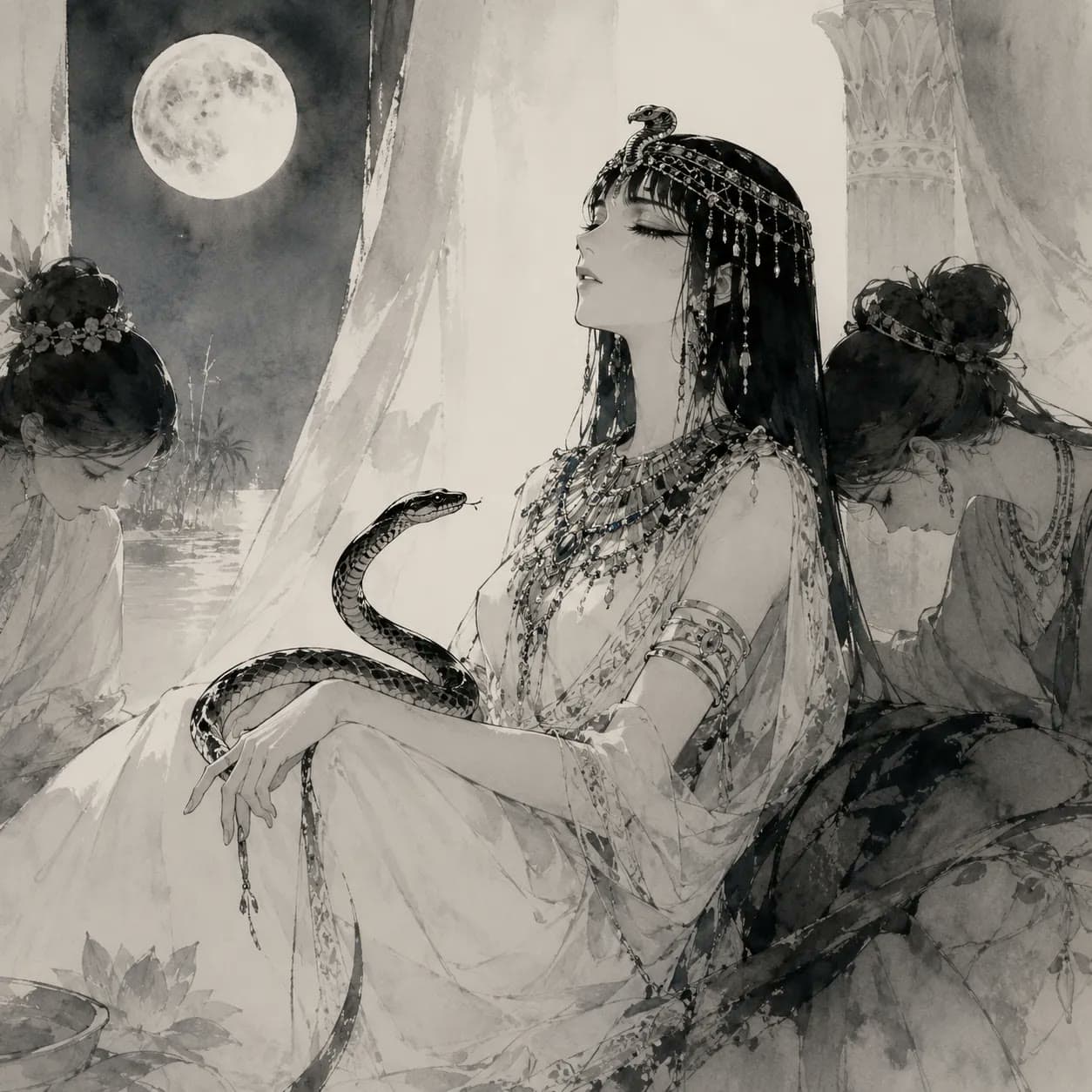
Cleopatra reclining with the asp under a pale moon, in ink-wash — Antony and Cleopatra cover art for the Saylia podcast
On Her Own Terms

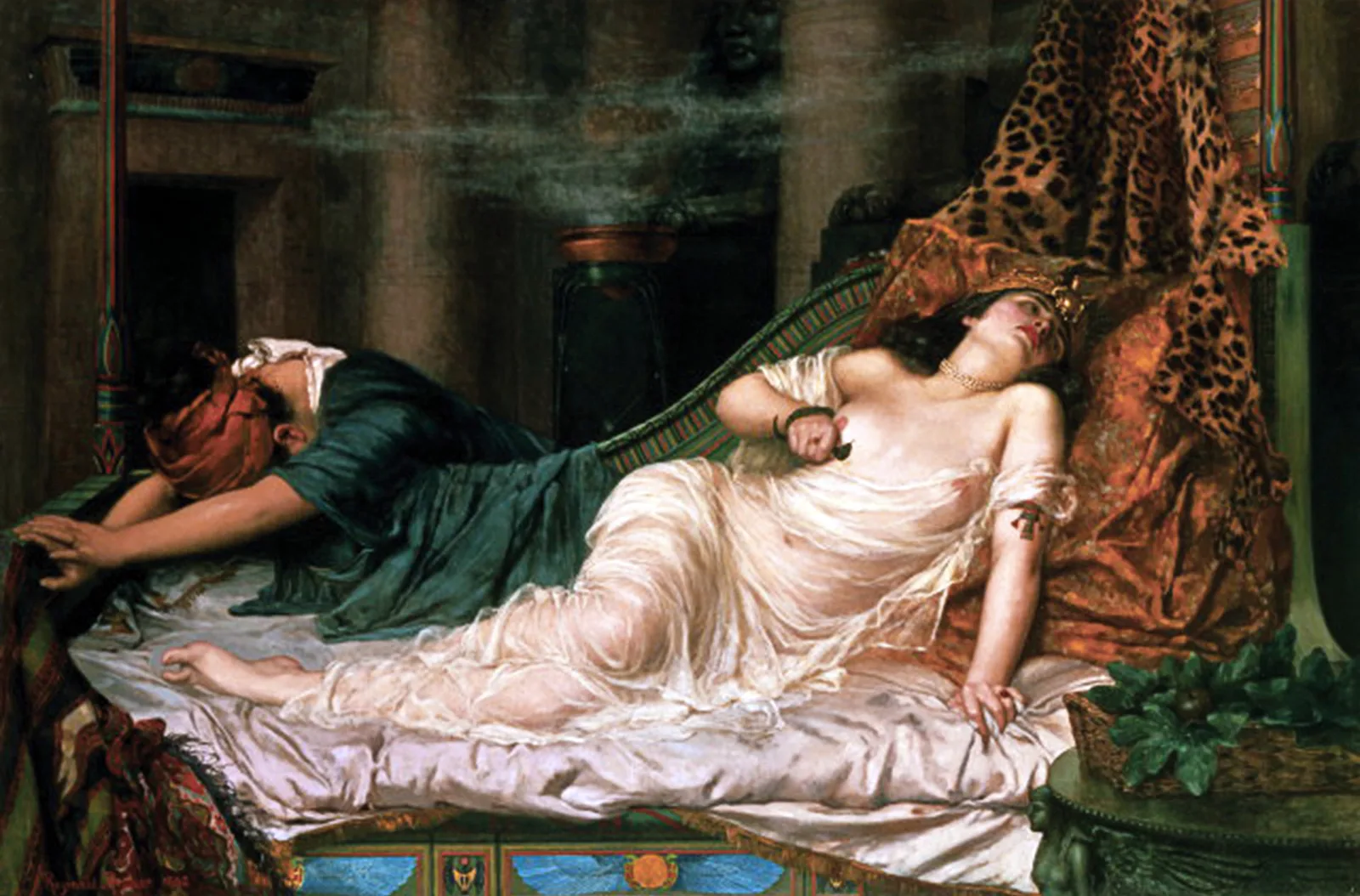
How Cleopatra died: Shakespeare wrote her suicide as a power move, not a tragedy (2026)

The war is lost, Antony is dead, and Octavian plans to march her through Rome as his trophy. So Cleopatra does the last thing he expects — she calls for her robe and crown and scripts her own ending. Not defeat. Refusal. He gets Egypt; he does not get her exit.

July 9, 2026 · 10 min read

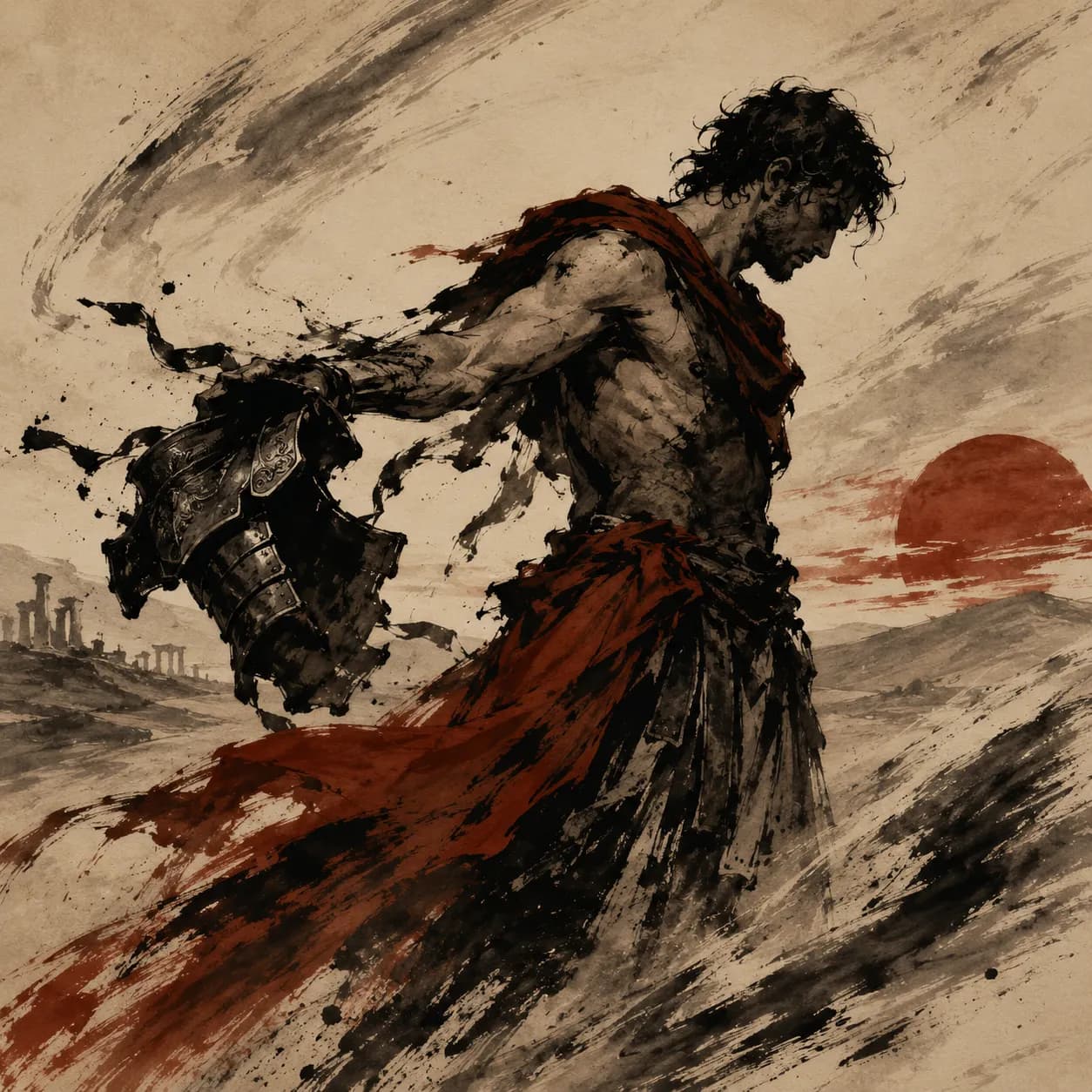
Mark Antony walking alone into the desert, turning his back on Rome — Antony and Cleopatra cover art for the Saylia podcast
Let Rome Melt

Antony and Cleopatra: the man who threw away a world for a person (2026)

The job you quit, the move nobody vouched for, the person your family voted no on. Four hundred years ago Shakespeare wrote that leap and gave it an empire to throw away — and Antony’s “Let Rome in Tiber melt” proves he wasn’t seduced. He decided.

July 9, 2026 · 8 min read

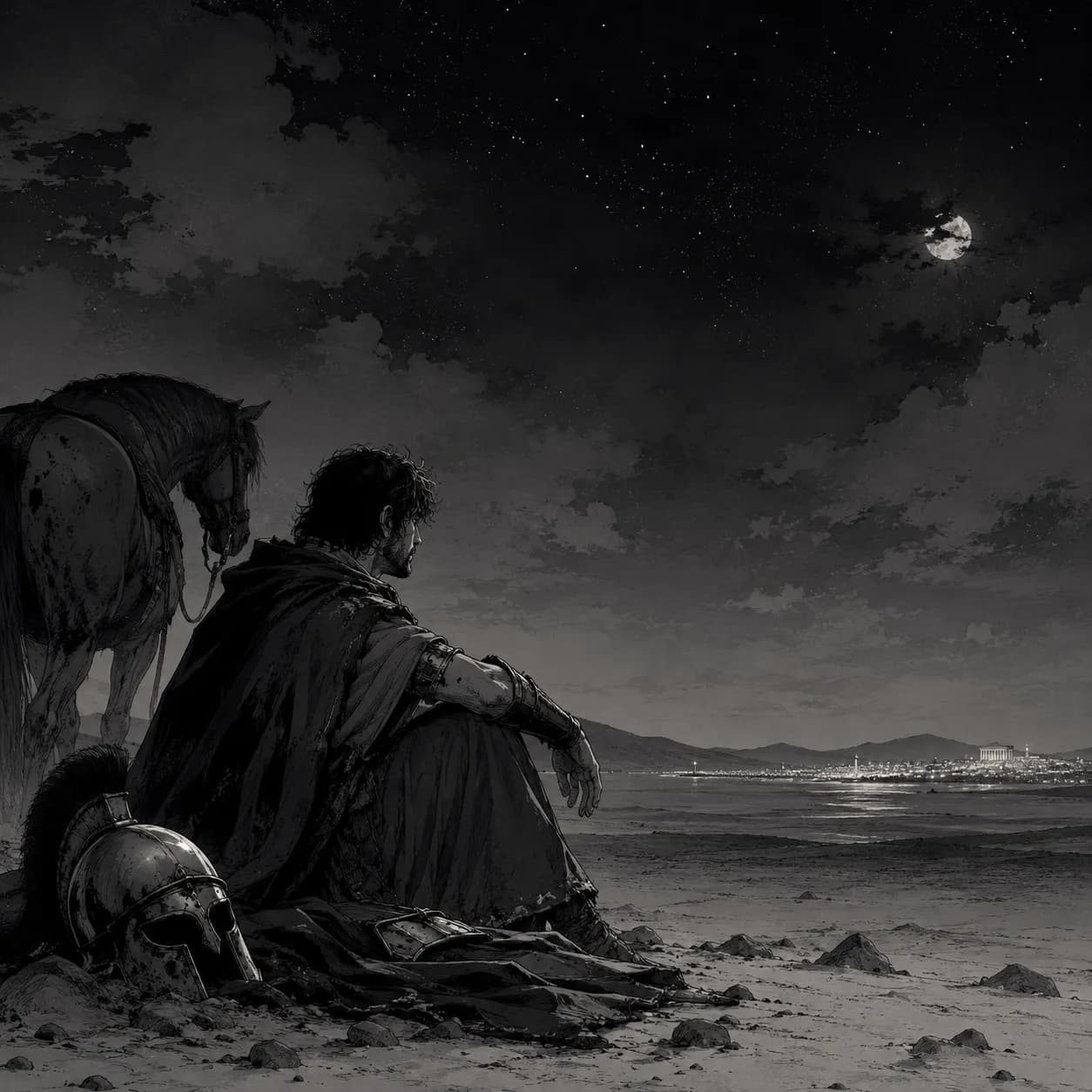
A lone soldier keeping a quiet watch by the moonlit sea — Antony and Cleopatra cover art for the Saylia podcast
The Enobarbus Rule

How do you love someone who's picking wrong? Antony and Cleopatra's answer is Enobarbus (2026)

It's eleven at night and the group chat has spent six months watching a friend pick wrong. Antony and Cleopatra has a character for exactly this: Enobarbus, who loves his friend, says his piece, leaves when he has to — and dies of grief. The distance and the love are both allowed to be real.

July 9, 2026 · 8 min read

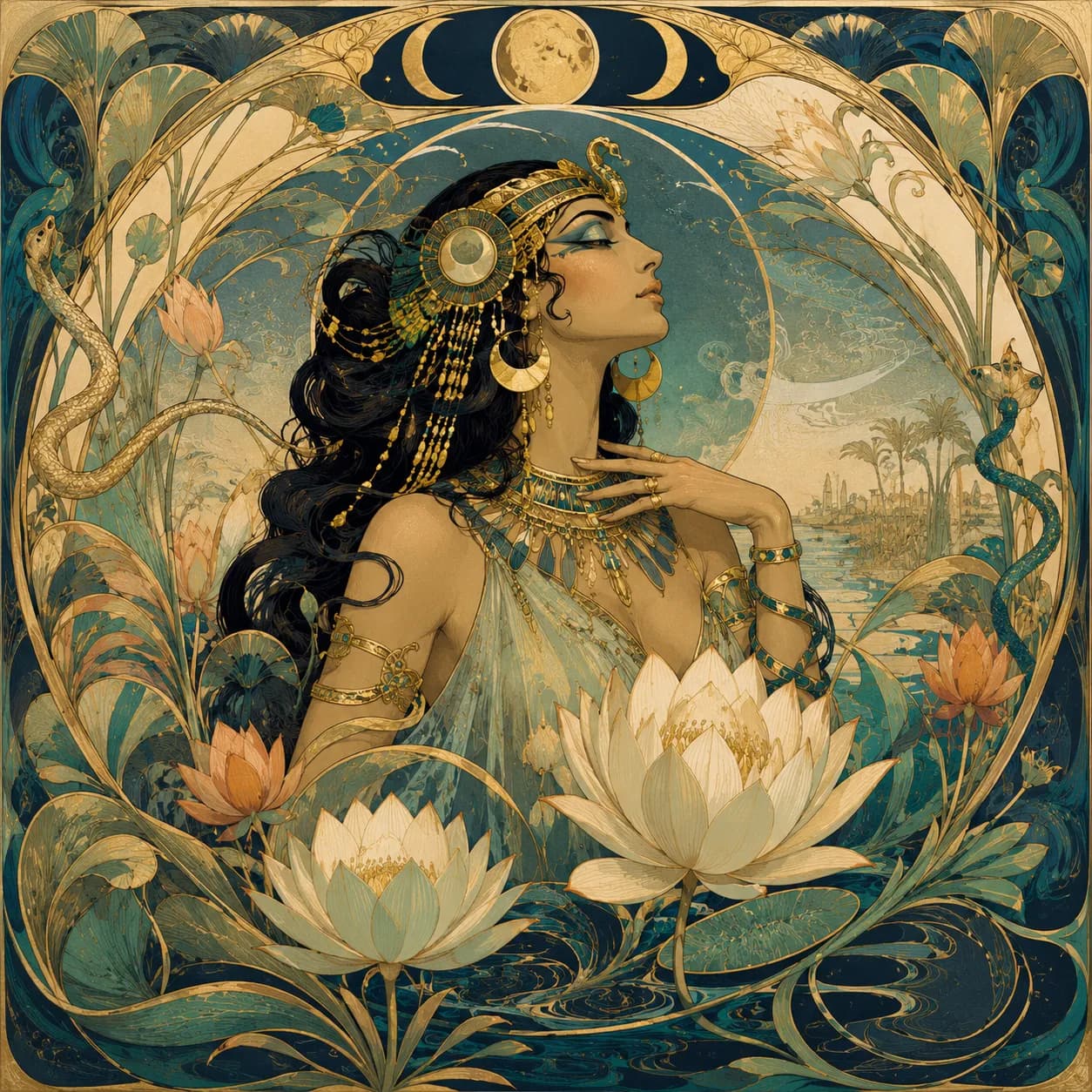
Cleopatra's profile layered beneath three moons in different phases — Antony and Cleopatra cover art for the Saylia podcast
Infinite Variety

Every era invents its own Cleopatra — Shakespeare named why in 1607 (2026)

You already have a Cleopatra in your head — Elizabeth Taylor's eyeliner, or the Netflix casting fight. Almost nobody's read the 1607 play all of it keeps remaking, and Shakespeare named the whole pattern in two words: infinite variety — a line about how every era re-makes her, not about her face.

July 9, 2026 · 7 min read

Sherlock Holmes

All Sherlock Holmes essays →
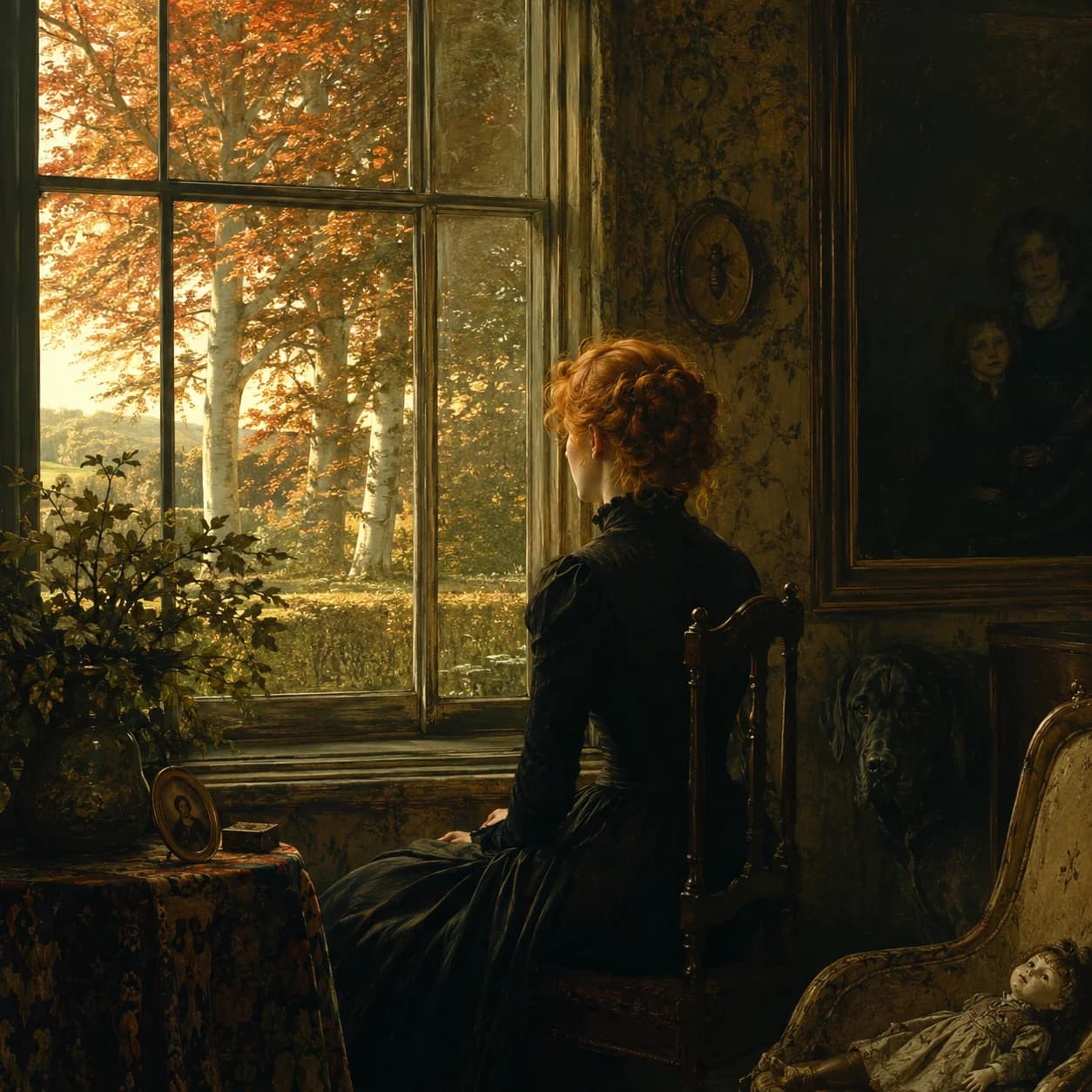
An elegant woman seated by a bright window — The Adventures of Sherlock Holmes cover art for the Saylia podcast
The Woman Who Won

The one Sherlock Holmes case he loses — and the woman who beat him (2026)

You picture Sherlock Holmes as an unbeatable, unfeeling logic machine. But the very first story in the collection is the one he loses — to Irene Adler, a woman he underestimated. Afterward he keeps her photograph and calls her only “the woman.” The one time the machine loses is the most human he ever gets.

July 3, 2026 · 8 min read
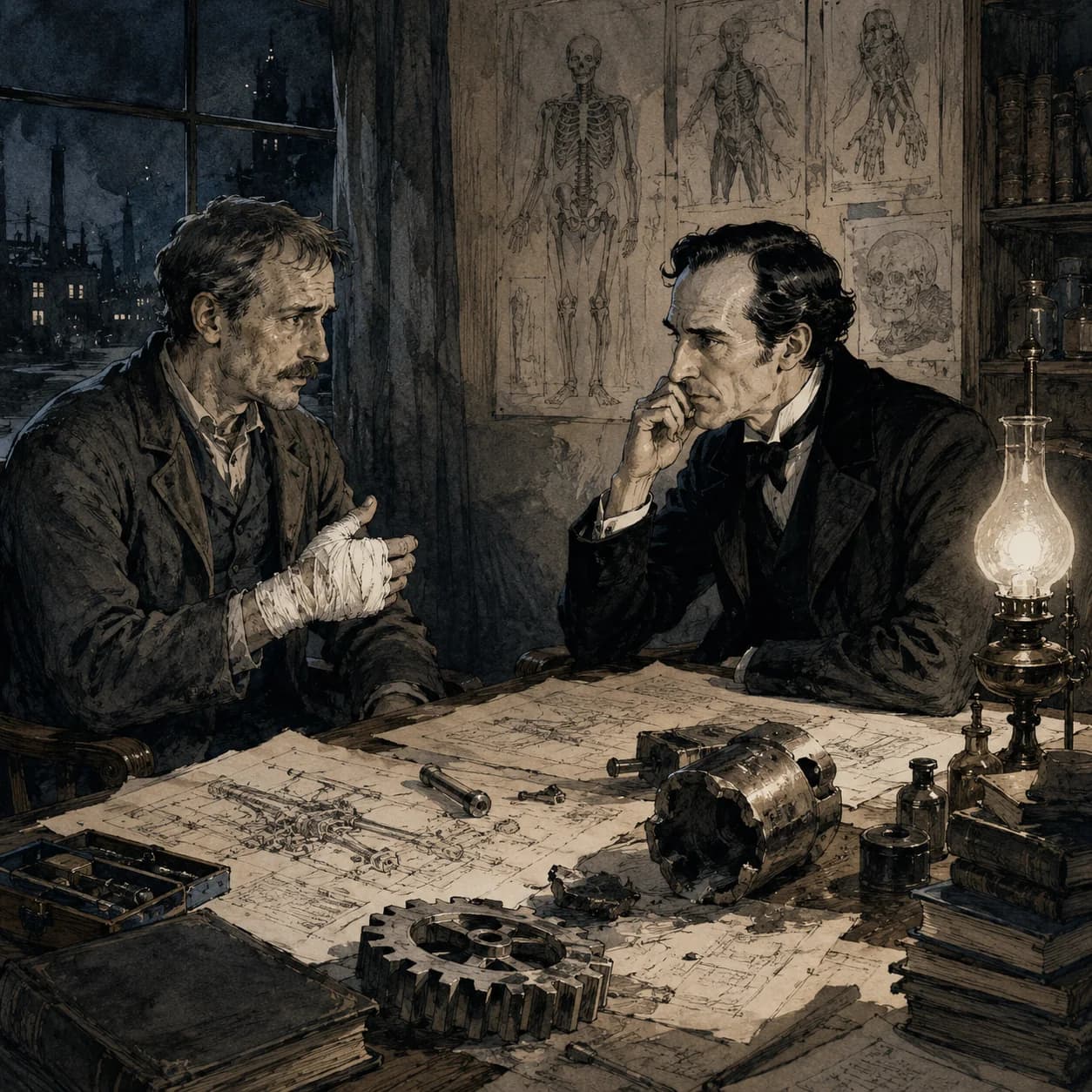
Holmes and Watson conferring by lamplight over case papers — The Adventures of Sherlock Holmes cover art for the Saylia podcast
Playing Watson

Dr. Watson isn't the bumbling sidekick — he's the blueprint every genius-and-friend duo copies (2026)

You've been told Dr. Watson is the bumbling comic sidekick who fumbles while the genius thinks. Doyle wrote the opposite: a sharp ex-army surgeon, wounded in Afghanistan, who narrates almost every case — the reader's stand-in who keeps an impossible genius human. If you have one brilliant, difficult friend, you're already playing Watson, and it's more work than it looks.

July 3, 2026 · 8 min read
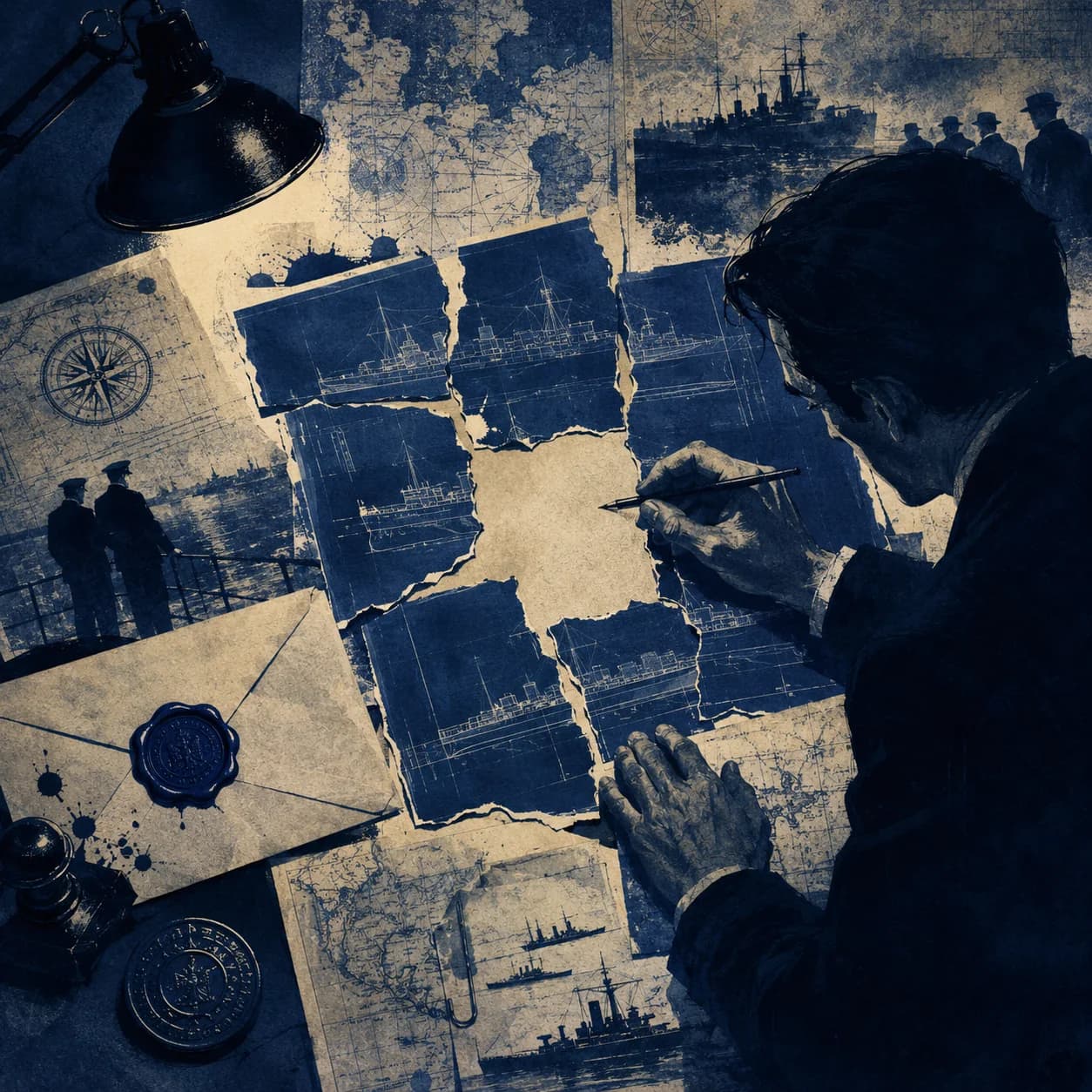
A cyanotype-blue collage of case documents beneath a magnifying glass — The Adventures of Sherlock Holmes cover art for the Saylia podcast
See, Then Observe

“You see, but you do not observe”: Sherlock Holmes's two-move superpower (2026)

It's eleven at night and he still hasn't texted back — and your brain has already written the whole story. Sherlock Holmes has a 130-year-old fix, and it's two moves, not one: notice before you narrate, and refuse to build the story until you have the data.

July 3, 2026 · 9 min read

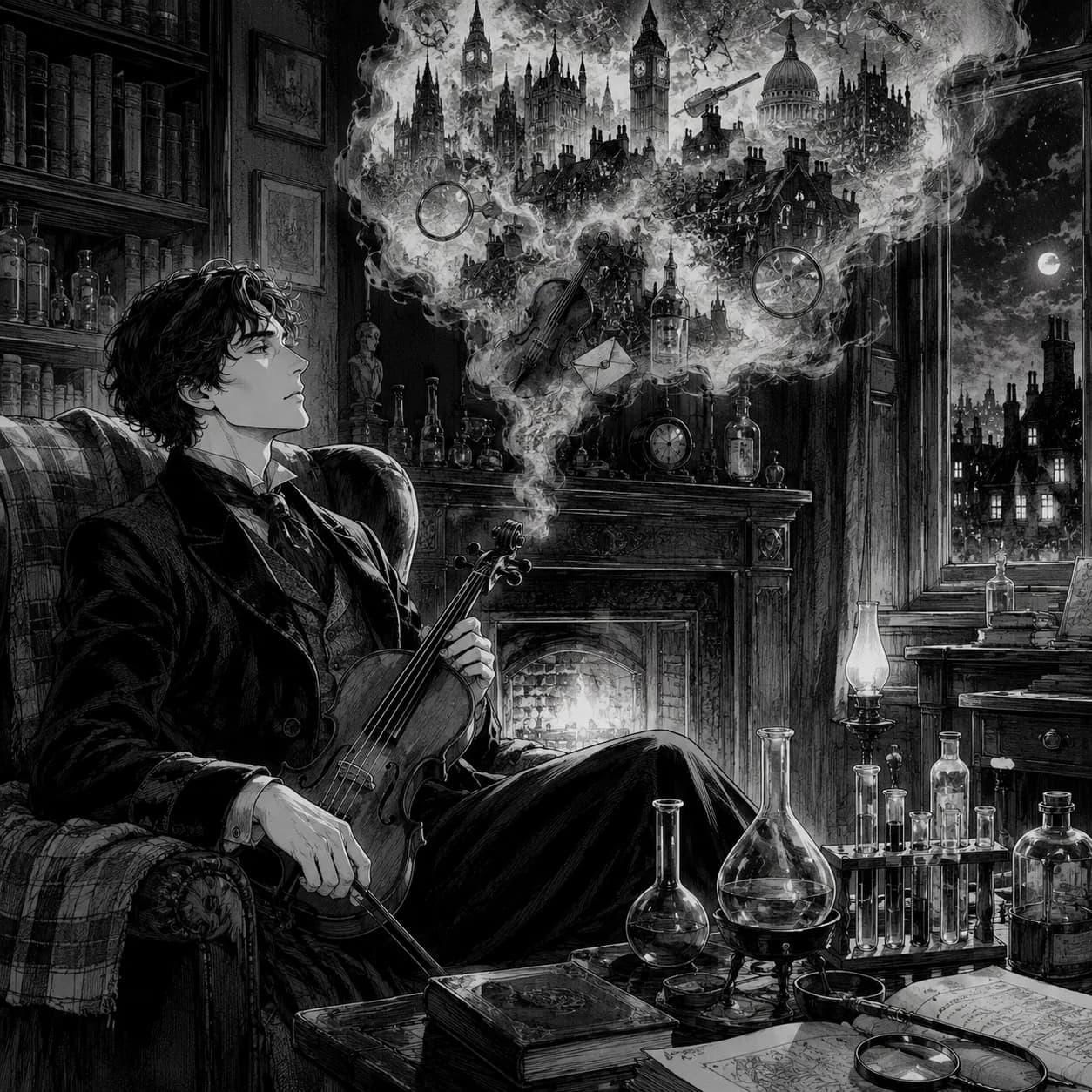
Sherlock Holmes slumped in his chair between cases amid his chemical apparatus — The Adventures of Sherlock Holmes cover art for the Saylia podcast
Bored Out of His Mind

Sherlock Holmes's real problem isn't crime — it's boredom (2026)

We remember the deductions. Doyle wrote a man who falls apart the moment there's no case to solve — black moods, cocaine, a restless mind that can't survive a quiet Saturday. Meet the patron saint of the always-needs-a-project mind.

July 3, 2026 · 8 min read
Romeo and Juliet

All Romeo and Juliet essays →
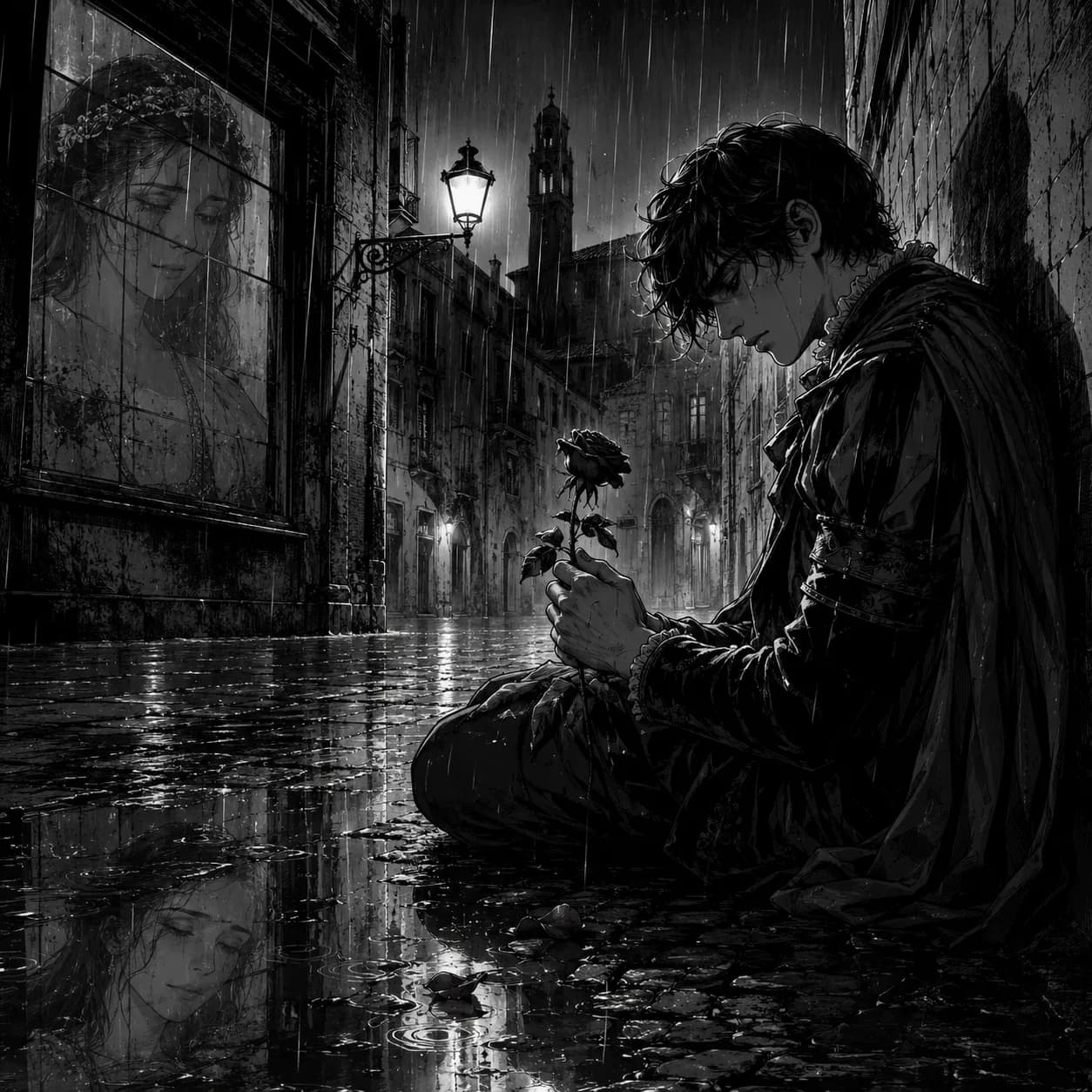
A lovesick Romeo alone in the rain before the feast — Romeo and Juliet cover art for the Saylia podcast
Romeo's Rebound

Romeo and Juliet opens on a rebound — Romeo loved Rosaline first (2026)

Everyone remembers the balcony. Almost no one remembers that when the play starts, Romeo is crying over someone else — a girl named Rosaline — and his friends are dragging him to a party to get over her. The most famous love story in the world opens on a rebound, and the play says so in its first lines about Romeo's heart.

June 30, 2026 · 8 min read
Mercutio cursing both houses as he falls in the square — Romeo and Juliet cover art for the Saylia podcast
Mercutio Dies First

Mercutio is the real heart of Romeo and Juliet — the friend who dies for a feud that wasn't his (2026)

Romeo and Juliet are the title. Mercutio is the heart. The most-loved character in the play is the best friend who gets pulled into the families' fight and dies in the middle of the story, cursing “a plague o' both your houses” — aimed not at the man who stabbed him but at the two families whose feud put him there. Everyone has a Mercutio. Some of us have made someone into one.

June 30, 2026 · 7 min read

Romeo at the moonlit orchard wall below Juliet's balcony — Romeo and Juliet cover art for the Saylia podcast
The Forbidden Crush

The Romeo and Juliet Effect is real — a 1972 study named after the play (2026)

Tell someone no, and suddenly it's all they want. There's a real 1972 psychology study named after this play — the Romeo and Juliet Effect — showing that the harder families pushed against a couple, the harder the couple fell. The obstacle wasn't in the way of the romance; a lot of the time, the obstacle was the romance. And the play saw it coming.

June 30, 2026 · 7 min read

The two feuding houses of Verona facing off — Romeo and Juliet cover art for the Saylia podcast
Their Parents Did This

Who's to blame for Romeo and Juliet? The play is really about the parents (2026)

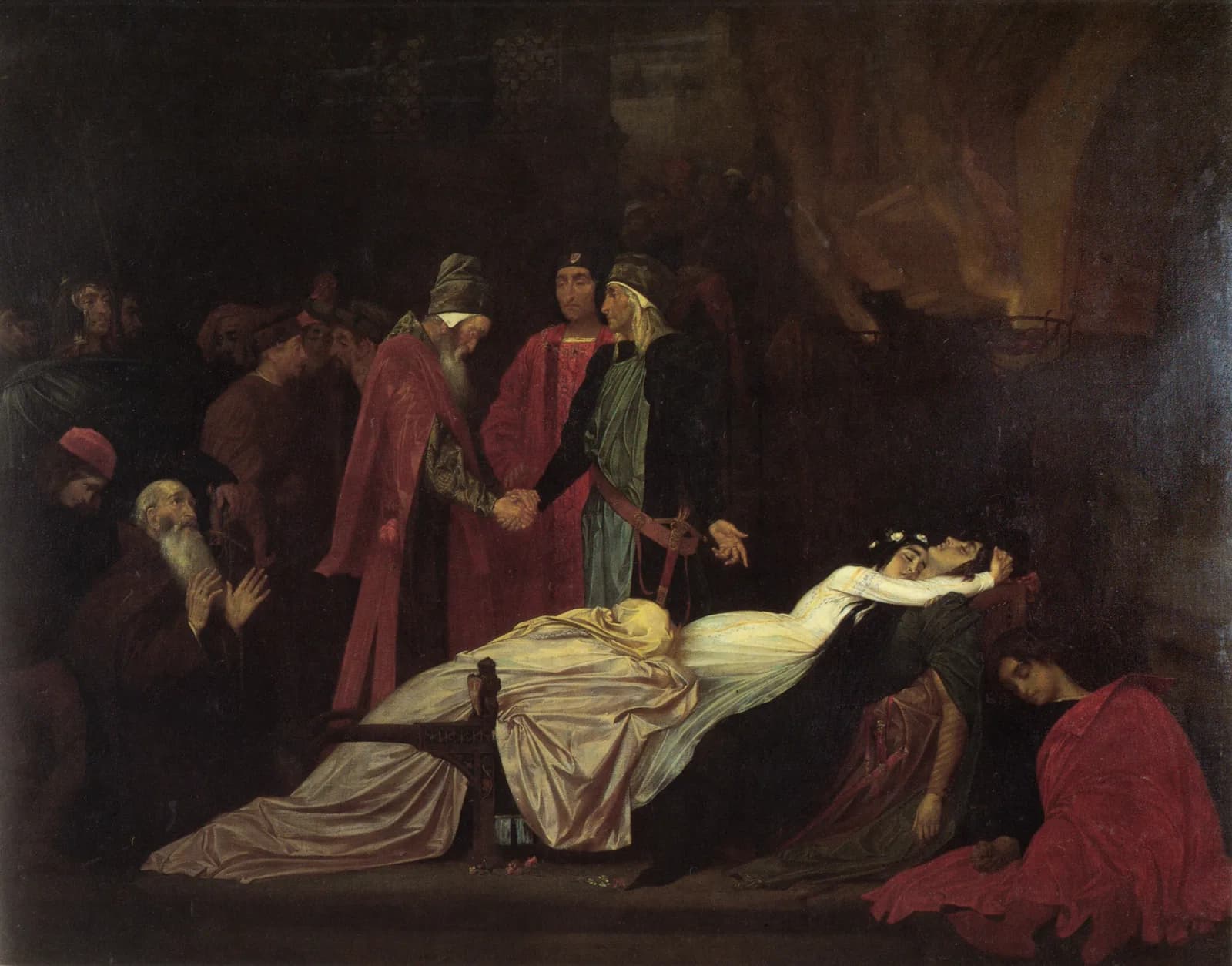
The most famous love story in the world is named after two teenagers — and it's secretly about their parents. It opens on the feud and ends with the fathers shaking hands over their children's bodies, and in between, Juliet's own father calls his almost-14-year-old daughter “young baggage” and threatens to drag her to church. Shakespeare's real gut-punch isn't that the kids died. It's that the parents finally agreed.

June 30, 2026 · 8 min read
Don Quixote

All Don Quixote essays →
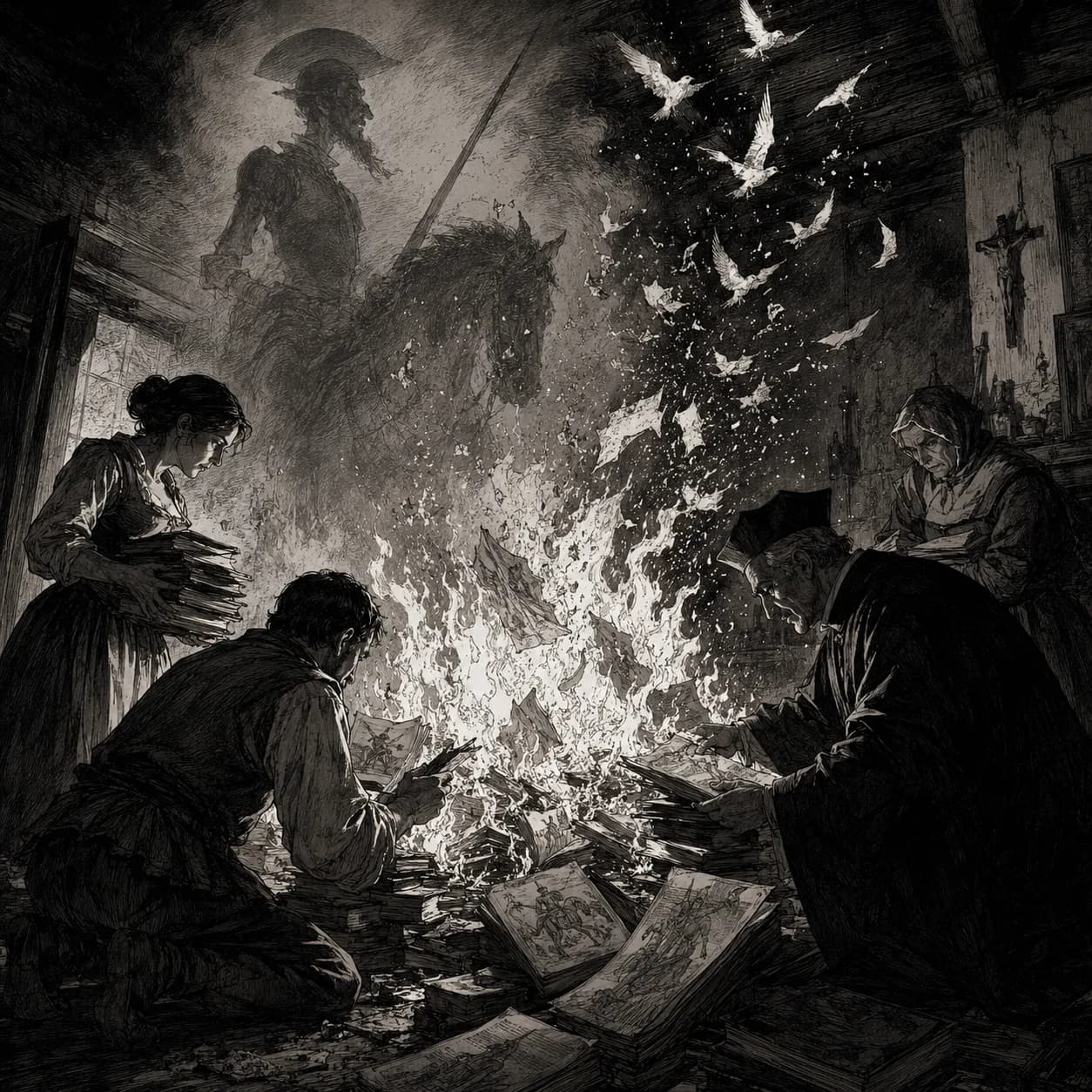
His friends burning his library of chivalry novels by candlelight — Don Quixote cover art for the Saylia podcast
Brain Dried Up

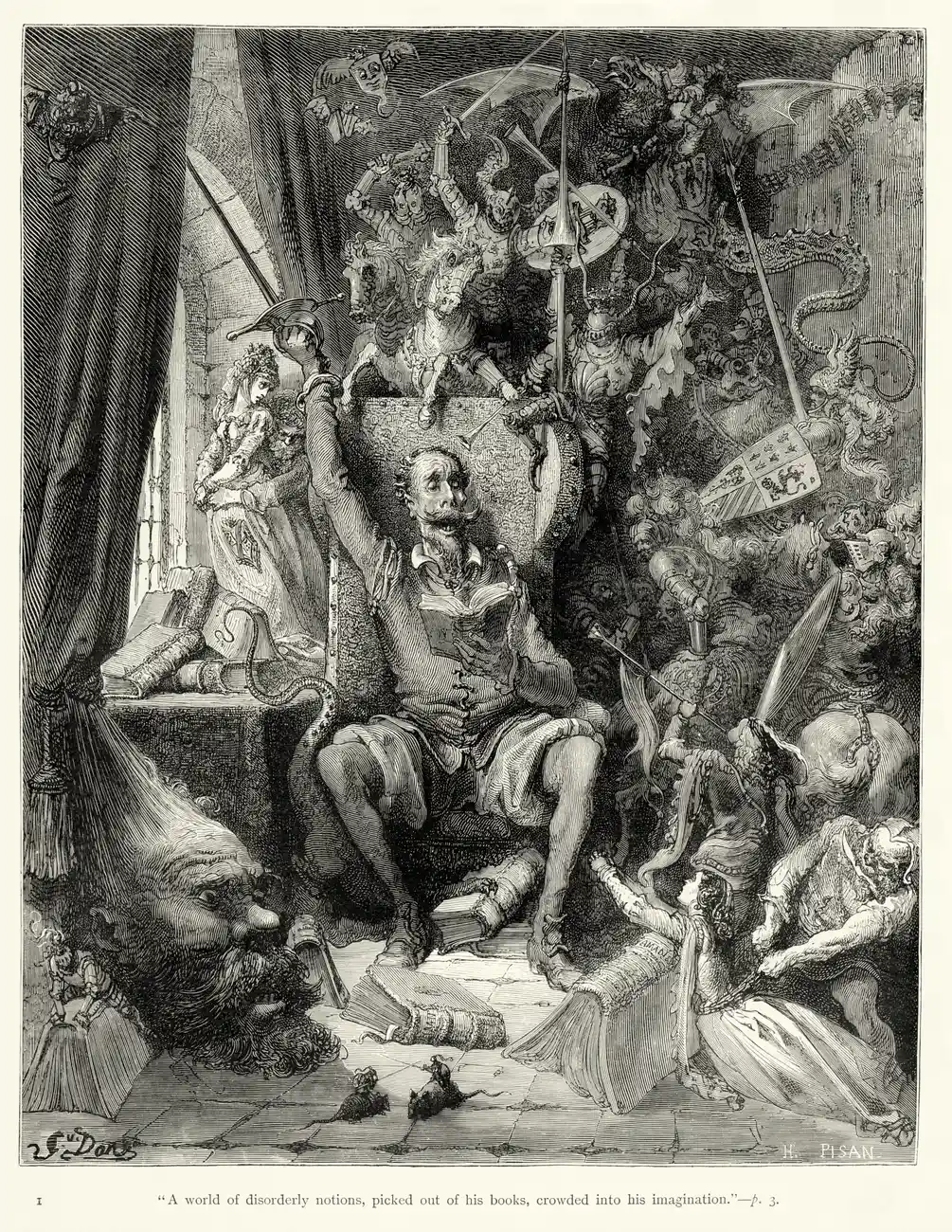
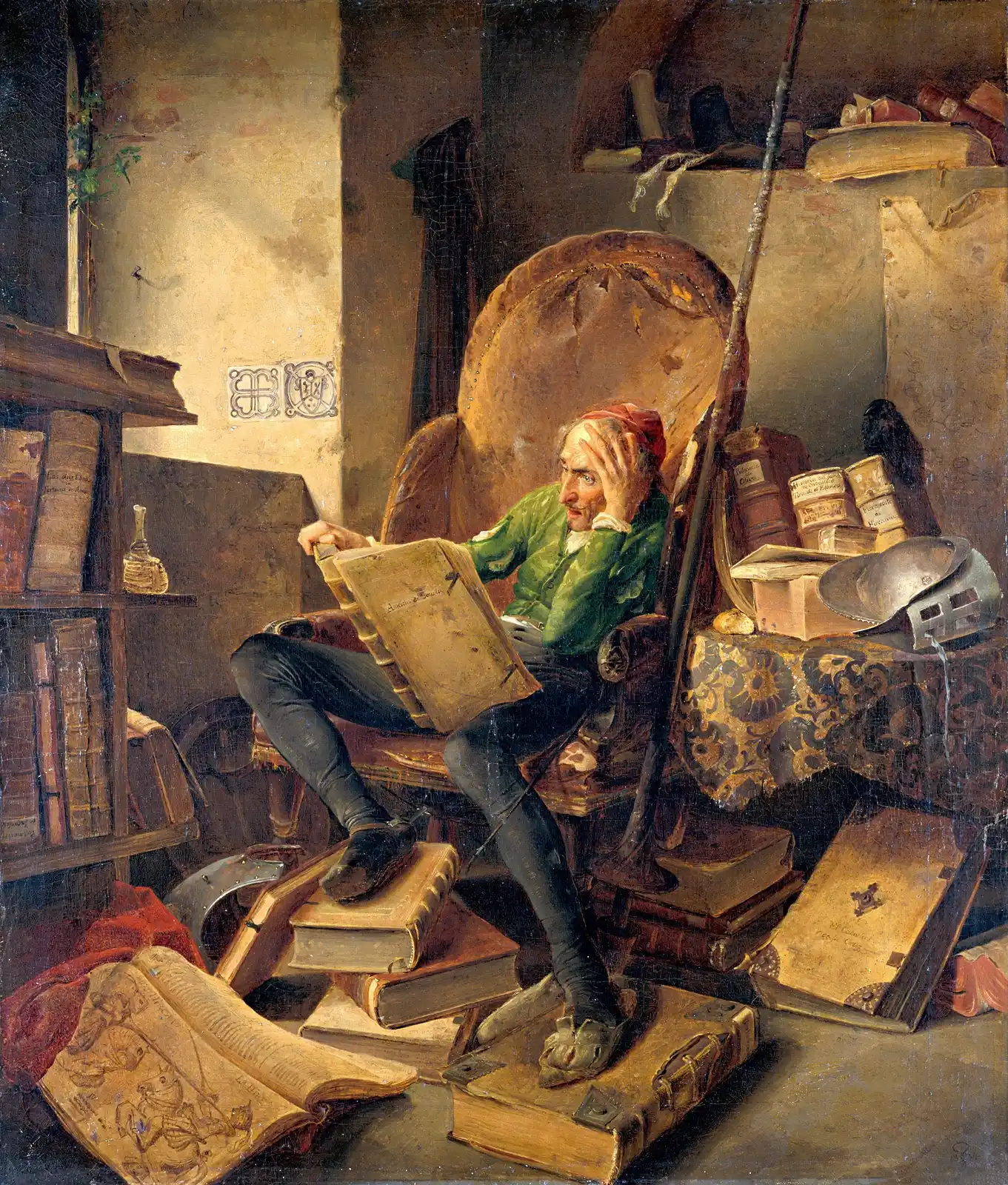
Don Quixote's brain 'dried up' from reading too much — the original brain-rot story (2026)

The famous knight charging windmills is a 1965 musical. The book Cervantes wrote in 1605 opens with a man whose brain 'dried up' from reading too many fantasy novels — and the friends who burn his library to save him. It's the original story of letting what you consume rewire what you see: brain rot, doom-scrolling, the algorithmic feed, four hundred years early.

June 27, 2026 · 8 min read
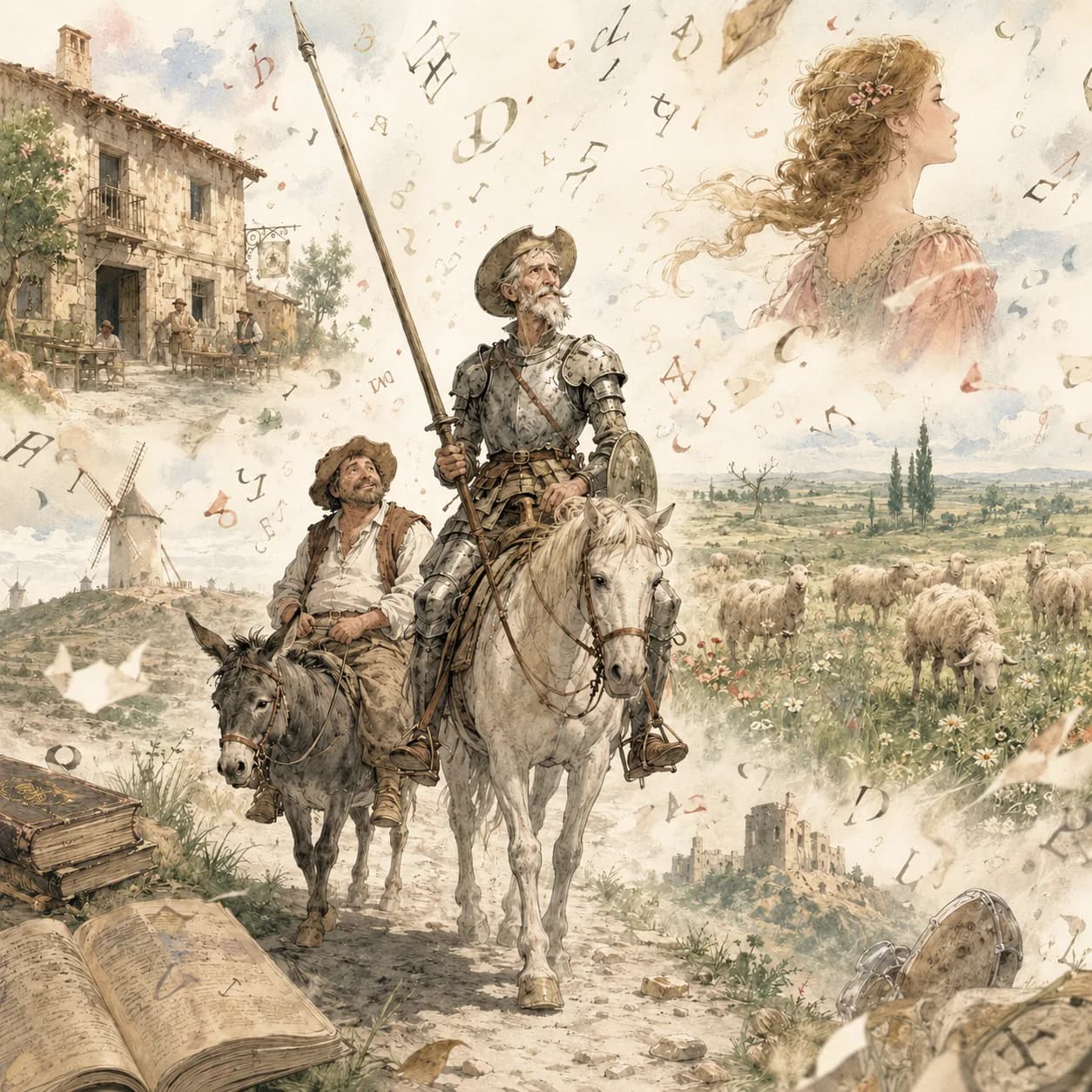
Don Quixote and Sancho Panza riding side by side down a dusty road — Don Quixote cover art for the Saylia podcast
The Friend Who Doesn't Get It

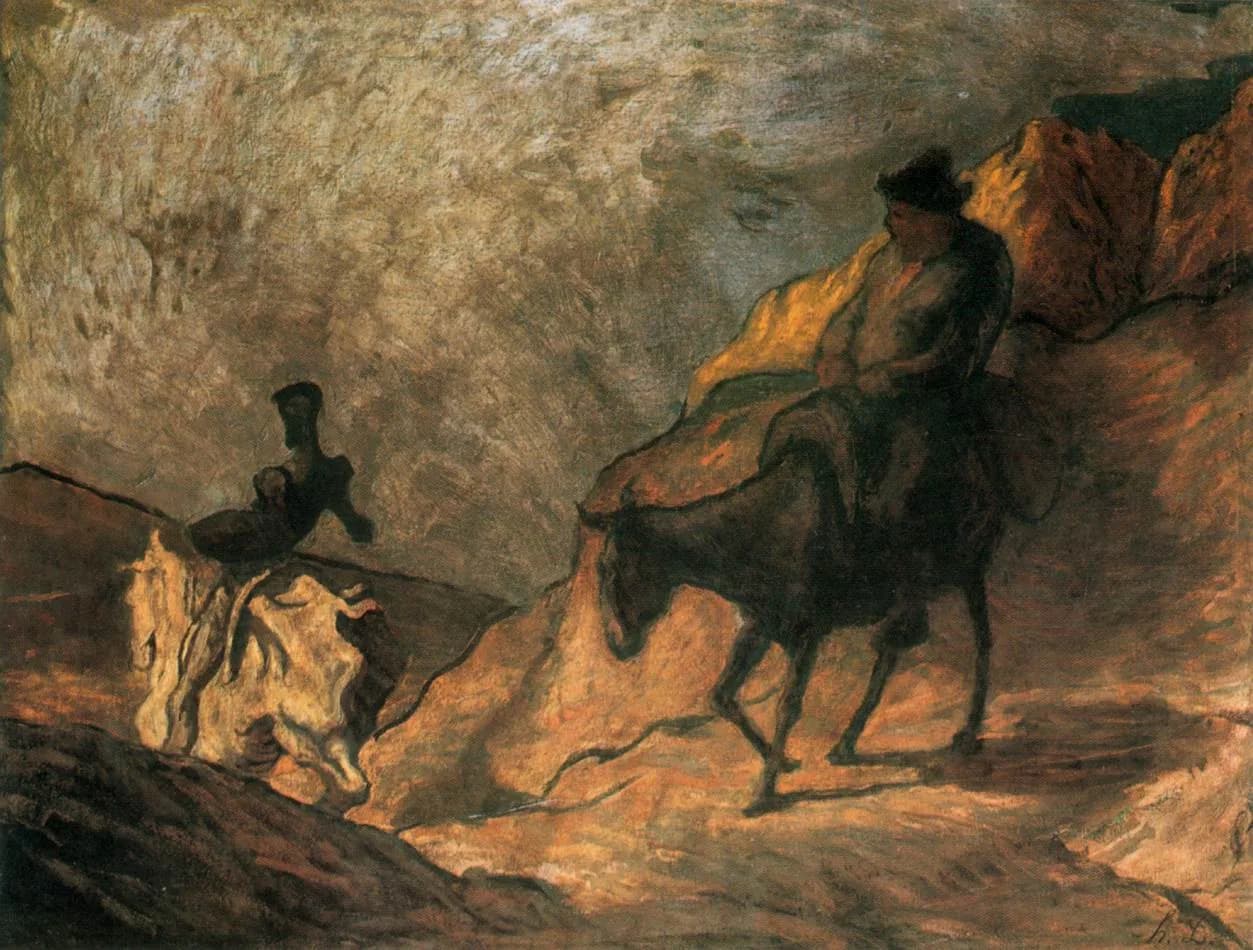
Why Sancho Panza is the real hero of Don Quixote — the friend who knew it was windmills and rode along anyway (2026)

Everyone remembers the windmills. Almost no one remembers that Don Quixote is a thousand-page book about a friendship — and that the friend, Sancho Panza, could see they were windmills the whole time. He knew his best friend was deluded, and he saddled up and rode beside him anyway. Here's the loyal-friendship reading of Cervantes' comedy, and the modern friend it describes.

June 27, 2026 · 8 min read
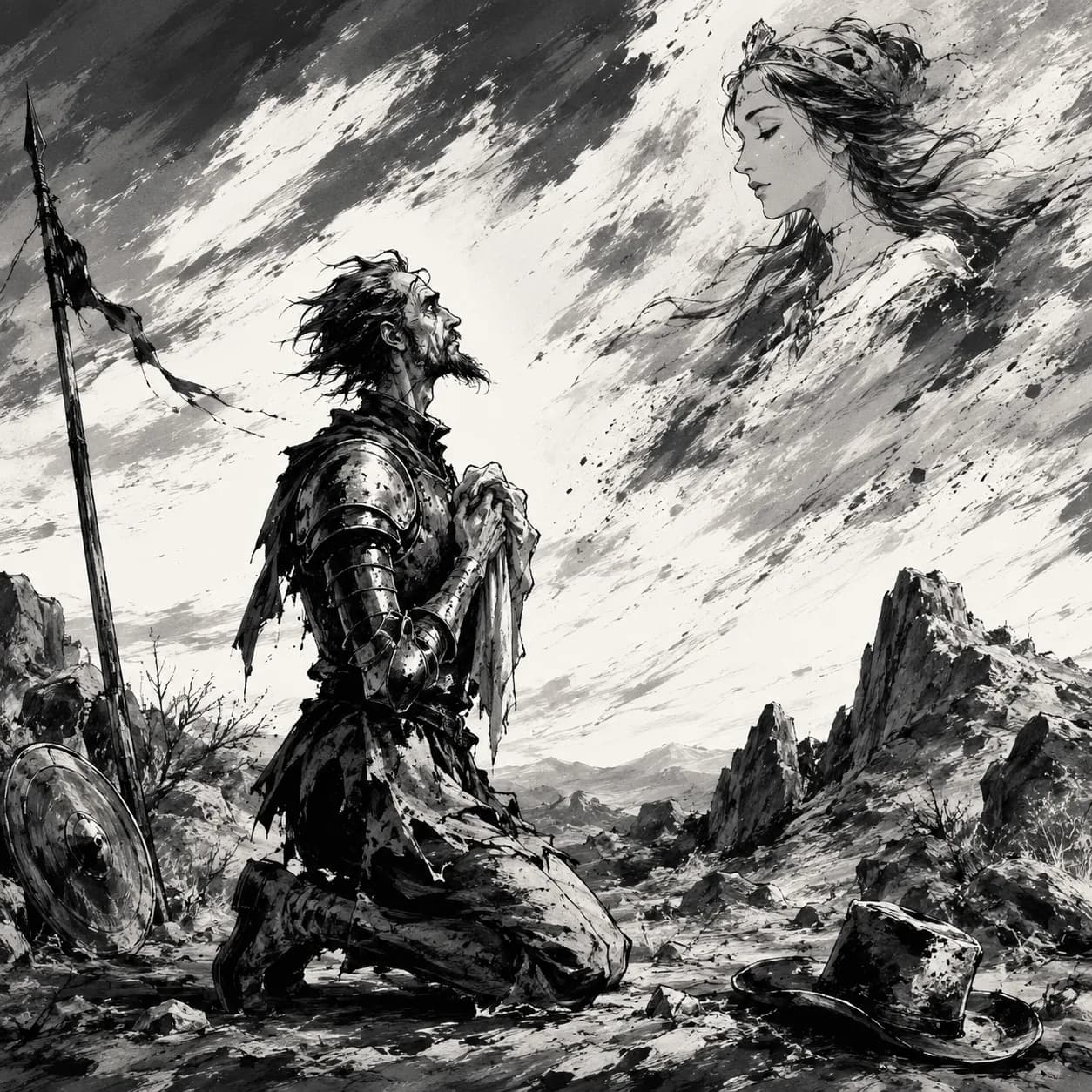
A woman's face imagined in the clouds above La Mancha — Don Quixote cover art for the Saylia podcast
Your Dulcinea Has An Instagram

Who Is Dulcinea in Don Quixote? The Farm Girl Behind the Fantasy (and Your Curated-Crush Too) (2026)

Don Quixote spends a thousand pages adoring Dulcinea del Toboso — a peerless lady he has barely met. She is really Aldonza Lorenzo, an ordinary farm girl he idealized into a fantasy he wrote himself. It's the 1605 blueprint for falling for a curated profile instead of a person — and for the version of someone you keep arguing with in your head.

June 27, 2026 · 8 min read
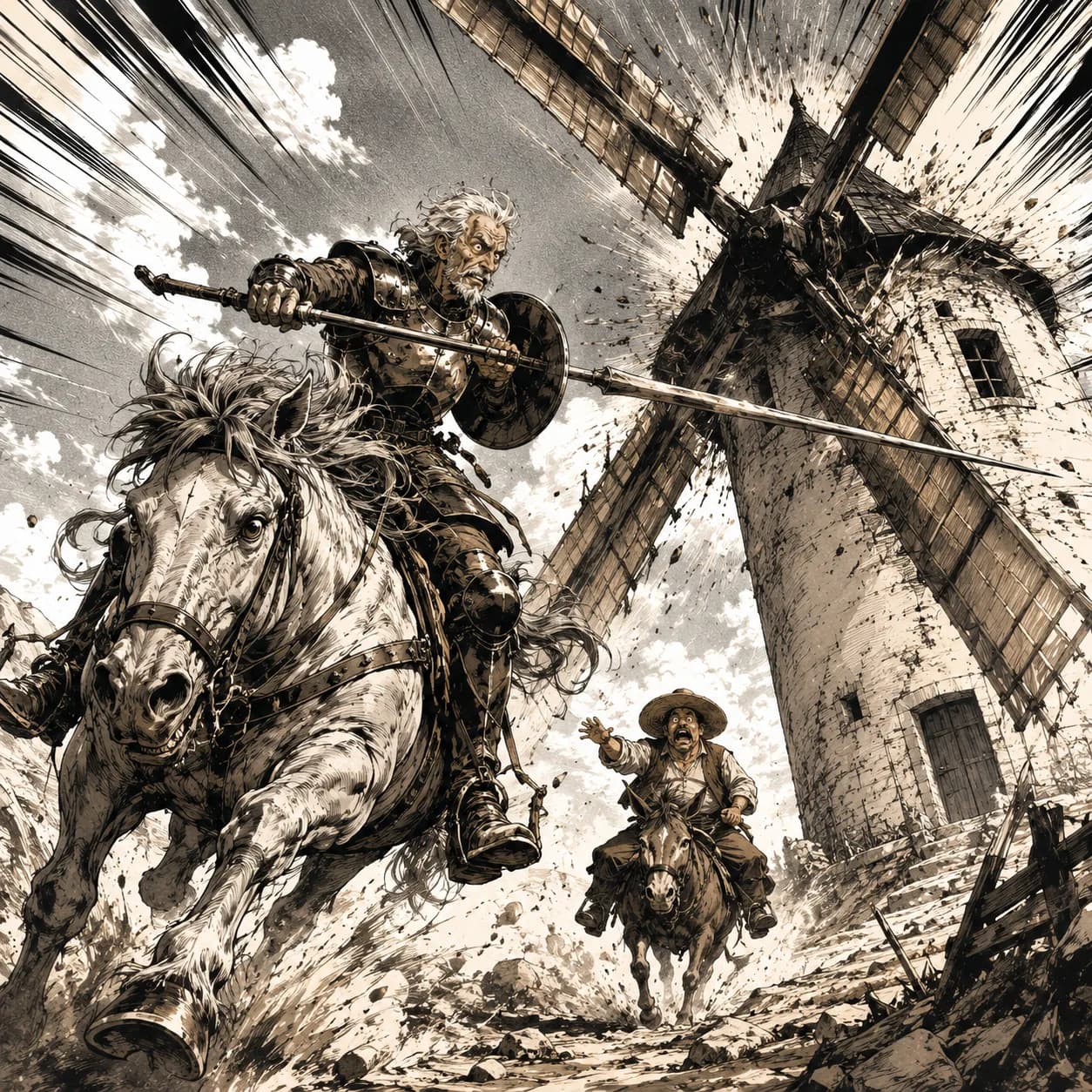
Don Quixote charging a row of windmills under a wide pale sky — Don Quixote cover art for the Saylia podcast
The Dream Isn't In The Book

“To dream the impossible dream” isn't Cervantes — the famous Don Quixote lines he never wrote (2026)

The three most famous 'Don Quixote' lines — 'to dream the impossible dream,' 'tilting at windmills,' and 'facts are the enemy of truth' — and not one was written by Cervantes. Two come from a single 1965 Broadway musical, the third from a 1644 satire. Here's where the lines we live by actually came from, and why we keep them anyway.

June 27, 2026 · 9 min read

Dracula

All Dracula essays →
A collage of letters, telegrams and diary pages — Dracula cover art for the Saylia podcast
The Original Group Chat

Dracula is secretly a group chat — and that's why 240,000 people read it together every year (2026)

Bram Stoker wrote Dracula as a stack of letters, telegrams, diary entries and one voice memo dictated into a machine — all dated, all arriving a day too late. Binge it in a week and it drags. Read it one entry a day, the way 240,000 people now do, and it's the funniest sitcom about denial in the language.

June 25, 2026 · 7 min read

Mist curling under a closed door — Dracula cover art for the Saylia podcast
He Has to Be Invited In

Why does Dracula have to be invited in? It's the oldest boundaries rule in fiction (2026)

The most famous vampire rule isn't fangs or sunlight — it's the doorstep. A vampire can't come in until you invite it; once you do, it comes and goes as it likes, forever. Stoker wrote it in 1897, and two recent movies turned it into the internet's favorite metaphor for the people you let into your life and can't get back out.

June 25, 2026 · 6 min read

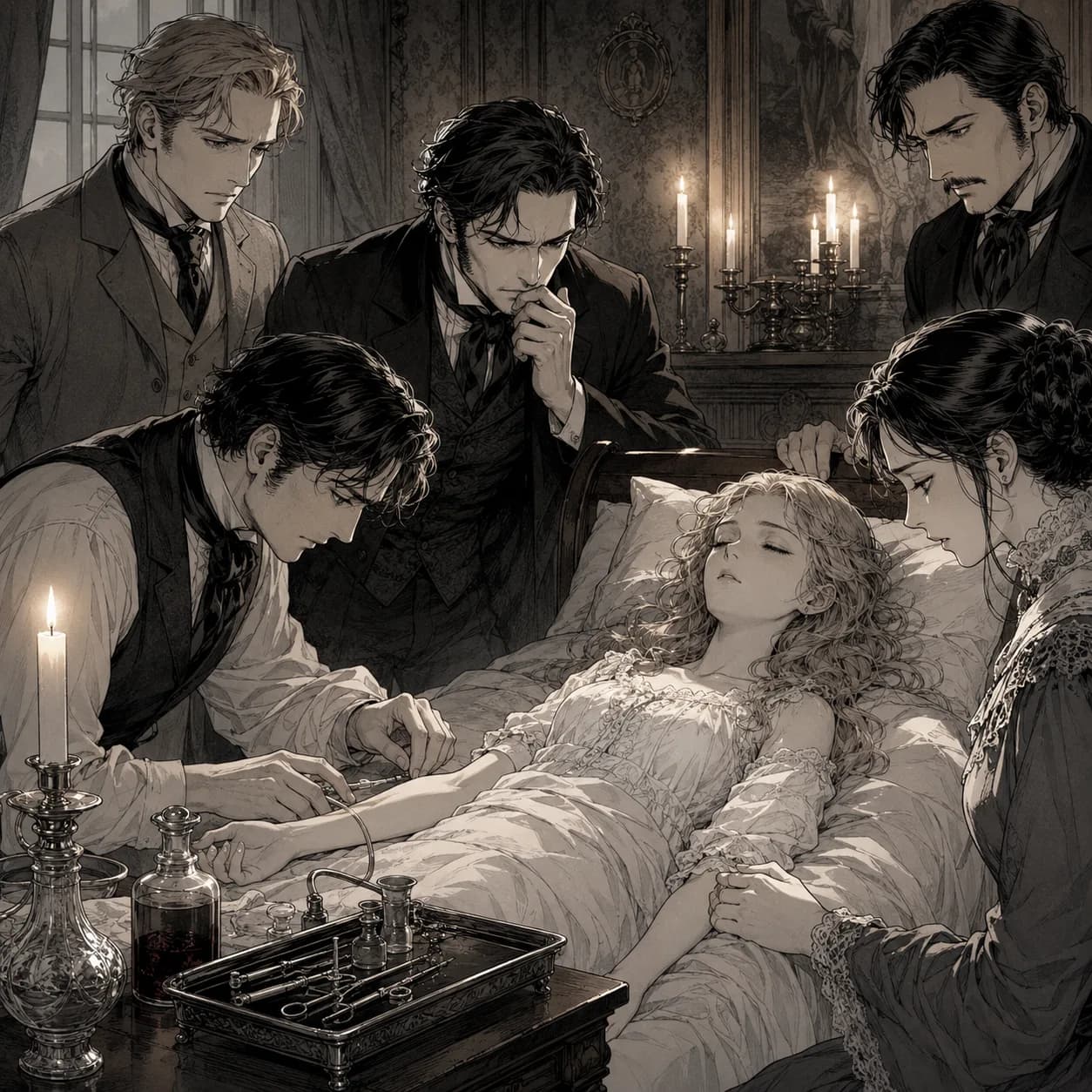
A pale figure at a candlelit sickbed — Dracula cover art for the Saylia podcast
Patient Zero

What happens to Lucy in Dracula — and why it reads like every 'I should've seen it sooner' story (2026)

Lucy Westenra is the most loved character in Dracula — and the one who gets lost. She's bitten once, then fades over weeks while the people around her, including the doctor who knows exactly what's wrong, can't or won't name it in time. It's the original 'I should have seen it sooner' story, and the book's quietest, most useful lesson.

June 25, 2026 · 6 min read

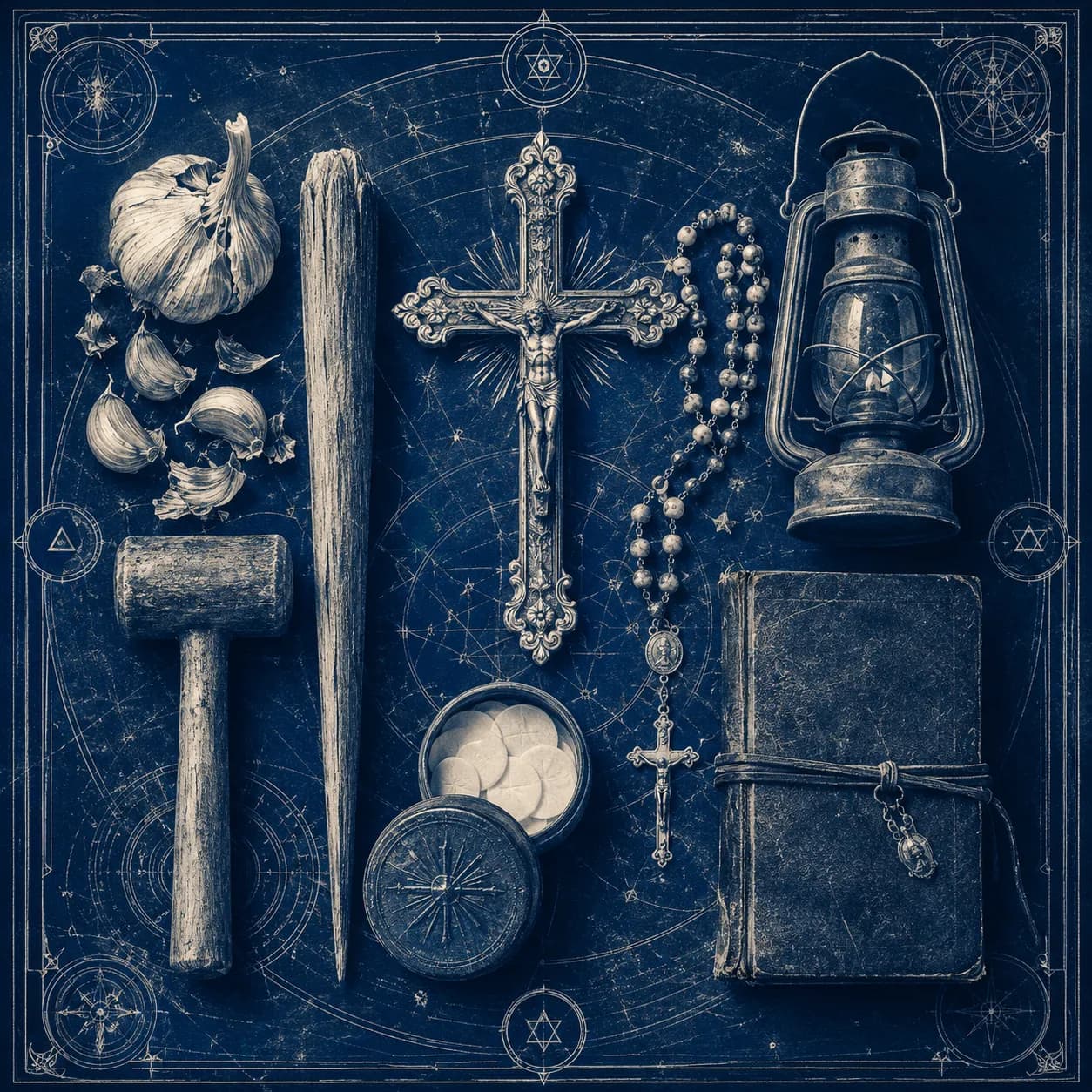
A vampire-hunter's kit — garlic, crucifix, rosary, stake, mallet and lantern — Dracula cover art for the Saylia podcast
Every Vampire Is His Grandkid

Cape, sunlight, wooden stake — none of it is in Dracula. What Bram Stoker actually invented (2026)

Four things everyone knows about Dracula — the cape, dying in sunlight, the love story with the heroine, the wooden stake through the heart — and not one of them is in the book. The movies gave Dracula his image; the book gave every vampire since their rulebook. Here's what Bram Stoker actually invented.

June 25, 2026 · 6 min read

The Art of War

All The Art of War essays →
Strategists bent over a map by lamplight — The Art of War cover art for the Saylia podcast
Won Before You Start

What “every battle is won before it is fought” really means in The Art of War (2026)

The most-quoted version — “every battle is won before it is fought” — is a paraphrase Bill Belichick hung on the Patriots locker-room wall. Sun Tzu’s real sentence is sharper, and it hinges on one word: after. The victorious strategist seeks battle after the victory is already his; the loser fights first and goes looking for the win. The work that decides your hardest moment happens days before you walk in.

June 25, 2026 · 7 min read

A lone figure at still water under a quiet sky — The Art of War cover art for the Saylia podcast
And Know Yourself

“Know your enemy and know yourself” — the half of the line almost nobody finishes (2026)

The most-quoted line in the most-quoted strategy book starts with “know your enemy” — and almost nobody finishes it right. Sun Tzu’s actual sentence is a triple, and the clause people drop is “and know yourself.” The enemy half you chase forever; the self half you can start on alone, today. The Friday-night fight that was really about an empty stomach, the conversation you finally won by naming one thing in the car — that’s the half that changes everything.

June 25, 2026 · 8 min read
A figure half-hidden in shifting mist — The Art of War cover art for the Saylia podcast
Read the Room

“All warfare is based on deception” is really about reading the room (2026)

“All warfare is based on deception” is six words long and twenty-five centuries old, and it lives on every motivational poster. Read as a how-to for fooling people, it’s exhausting. Read the way it actually helps — on an ordinary Thursday — it flips: the useful skill is noticing when someone you love is the one doing the bluffing. The eight-year-old’s “I’m fine,” the sister who’s too bright on the phone. Sun Tzu called it foreknowledge. We call it reading the room.

June 25, 2026 · 7 min read

A calm river at dawn between two banks of lanterns, mist and falling blossoms — The Art of War cover art for the Saylia podcast
Love and Mean It

“Treat your soldiers as your beloved sons” — and the line nobody quotes that makes it real (2026)

The most-quoted strategy book on the planet ends on a hand-on-your-shoulder sentence: “regard your soldiers as your children, and they will follow you into the deepest valleys.” It’s on a million coaching slides. The line right after it almost never gets shared — that warmth without the spine to enforce anything makes people “useless for any practical purpose.” Put the two sentences back together and the war manual turns out to be a book about love with a backbone. Love them, and mean what you say.

June 25, 2026 · 8 min read
The Great Gatsby

All The Great Gatsby essays →
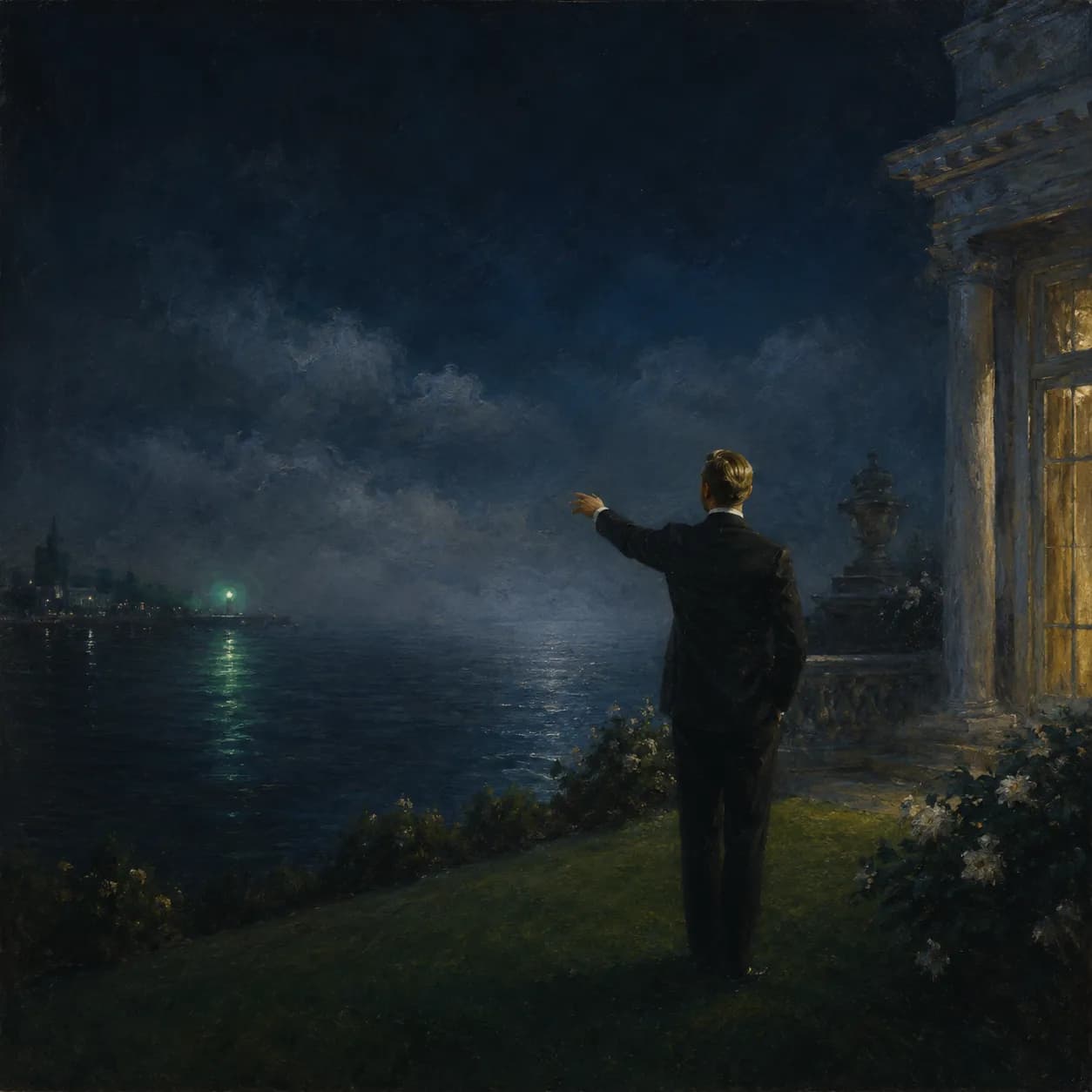
Gatsby reaching across the dark bay toward a single green light — The Great Gatsby cover art for the Saylia podcast
The Green Light

What the green light in The Great Gatsby really means — and why you've felt it (2026)

Gatsby stands on his lawn at midnight reaching for a tiny green light across the bay. Everyone reads it as romance. It's really about every thing you're never going to have — the ex's profile, the apartment you can't afford, the version of you that's always one summer away.

June 23, 2026 · 7 min read
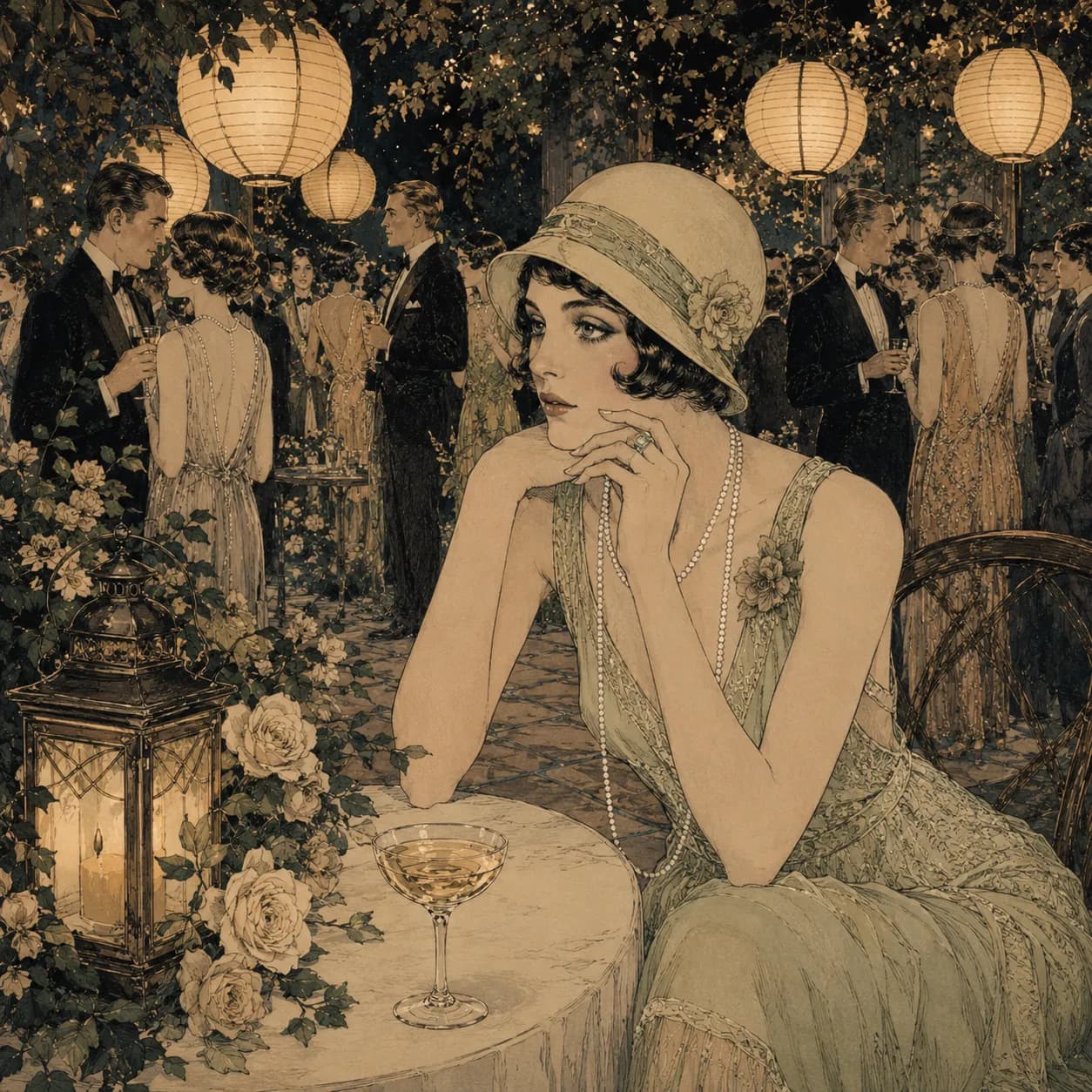
A lone figure standing apart at a crowded Jazz-Age party — The Great Gatsby cover art for the Saylia podcast
Performing the Party

Gatsby's parties were the original social media — and the funeral is the receipt (2026)

Gatsby's parties aren't fun — they're a performance for one specific person across the bay. Hundreds show up every weekend; you can count the mourners at the funeral on one hand. It's your feed, a hundred years early, and the receipt is who's there when you have nothing to give.

June 23, 2026 · 7 min read
An art-deco portrait of Gatsby in profile, gold and black — The Great Gatsby cover art for the Saylia podcast
The Tell Is the Trying

Why does Gatsby say "old sport"? It's the tell that he's trying (2026)

Gatsby says "old sport" to sound like the people he wants to be. The phrase itself is the giveaway he isn't one of them. Born James Gatz in North Dakota, he guessed at how the rich talk and committed. Every code-switch leaves a seam — his is "old sport." Yours might be "circle back."

June 23, 2026 · 6 min read
A raised champagne glass in a Jazz-Age still life — The Great Gatsby cover art for the Saylia podcast
Cheers to Gatsby

The Great Gatsby's biggest modern moment is a meme — not a line from the book (2026)

The most famous thing about The Great Gatsby isn't a sentence from it — it's six seconds of Leonardo DiCaprio raising a glass. A meme, a Tony-winning musical, two new novels, a centennial: a hundred years on, the book's footprint is bigger than the book itself.

June 23, 2026 · 7 min read
Pride and Prejudice

All Pride and Prejudice essays →
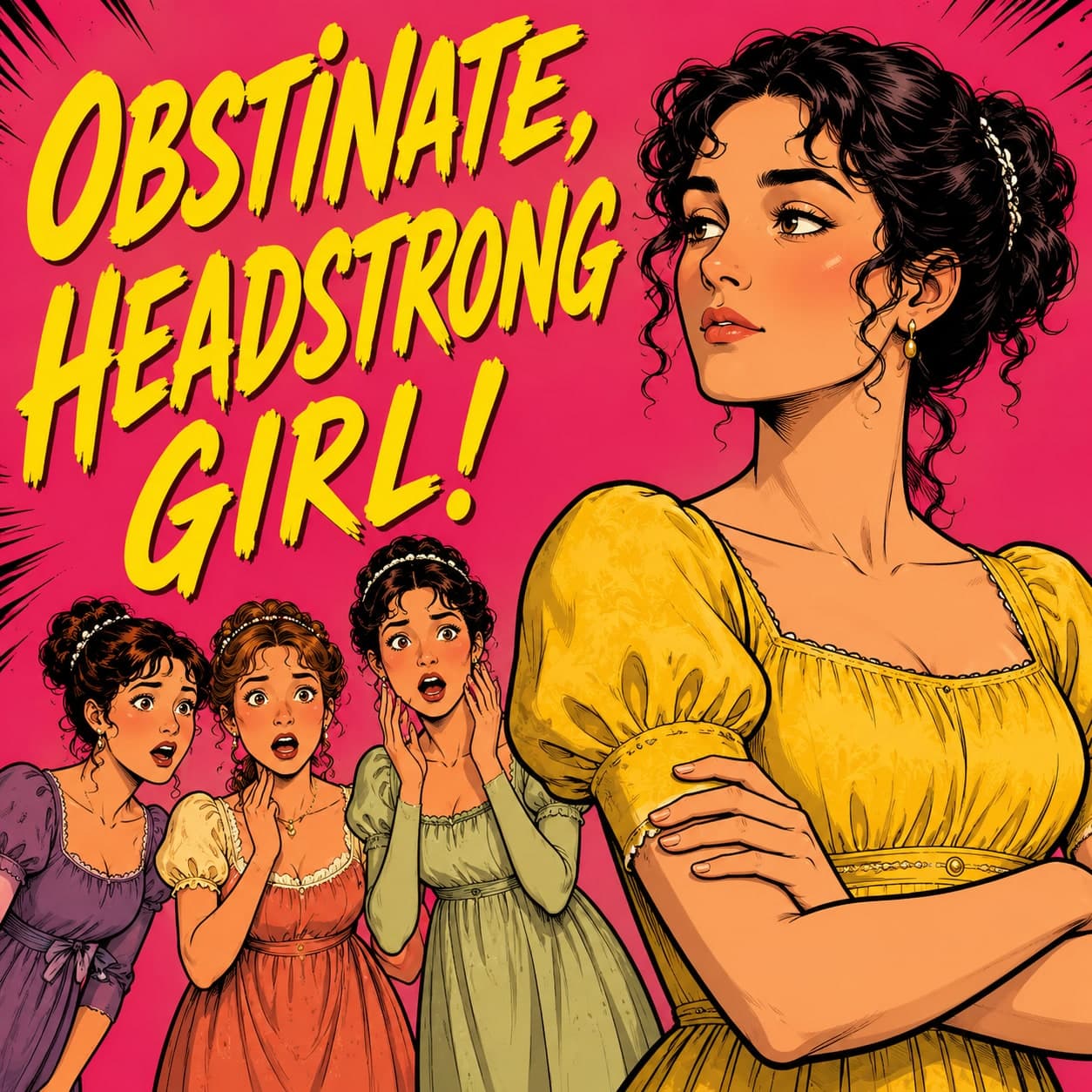
A defiant Elizabeth Bennet beside the pop-art words "Obstinate, Headstrong Girl!" — Pride and Prejudice cover art for the Saylia podcast
Excellent Boiled Potatoes

Pride and Prejudice is a comedy, not a romance — and Mr. Collins proves it (2026)

Everyone sells Pride and Prejudice as a wet-shirt romance. Open it and you find the funniest book in English — a comedy about people misjudging each other, anchored by Mr. Collins, the patron saint of secondhand embarrassment. Austen even told you so: the first draft was called First Impressions.

June 18, 2026 · 7 min read
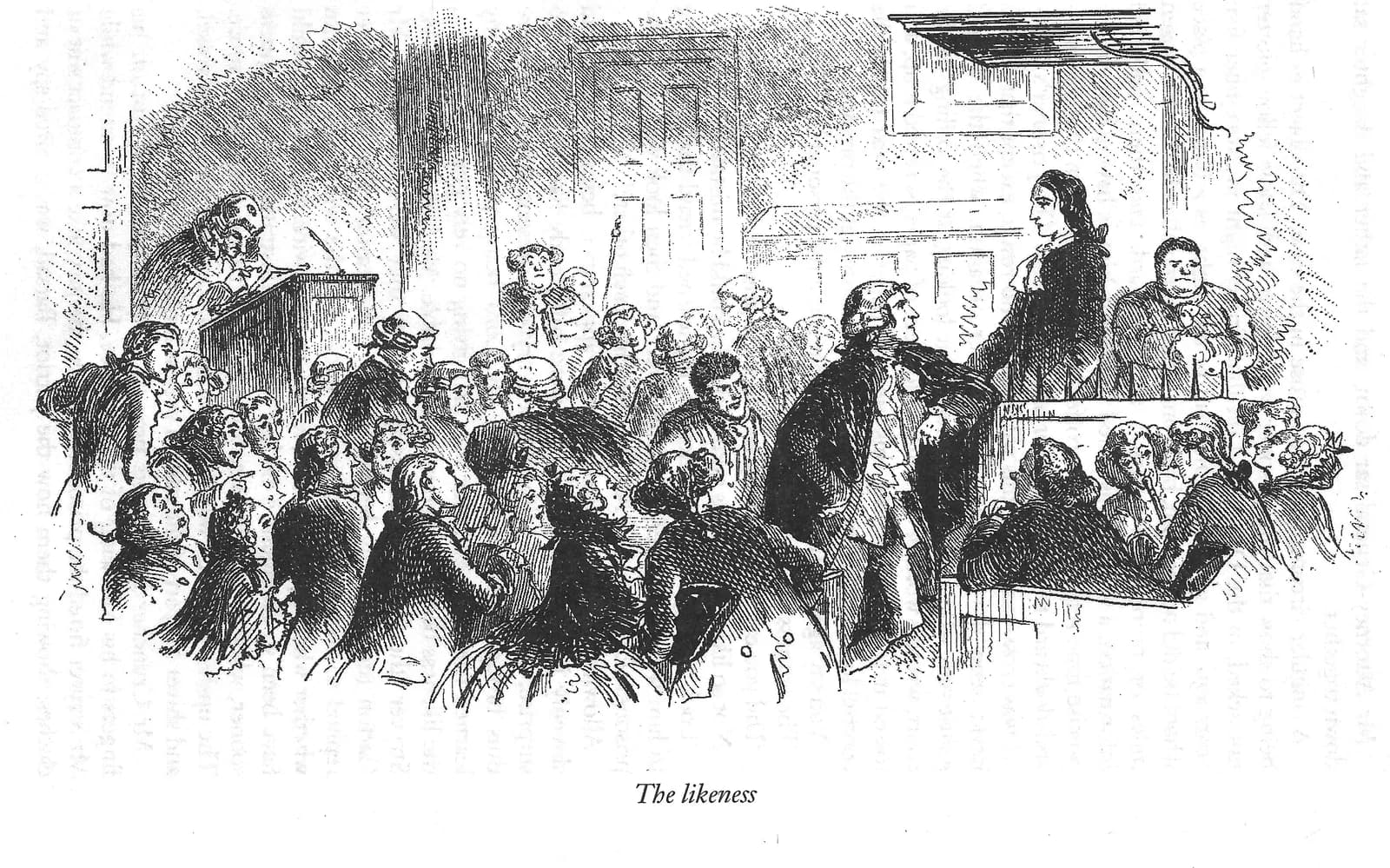
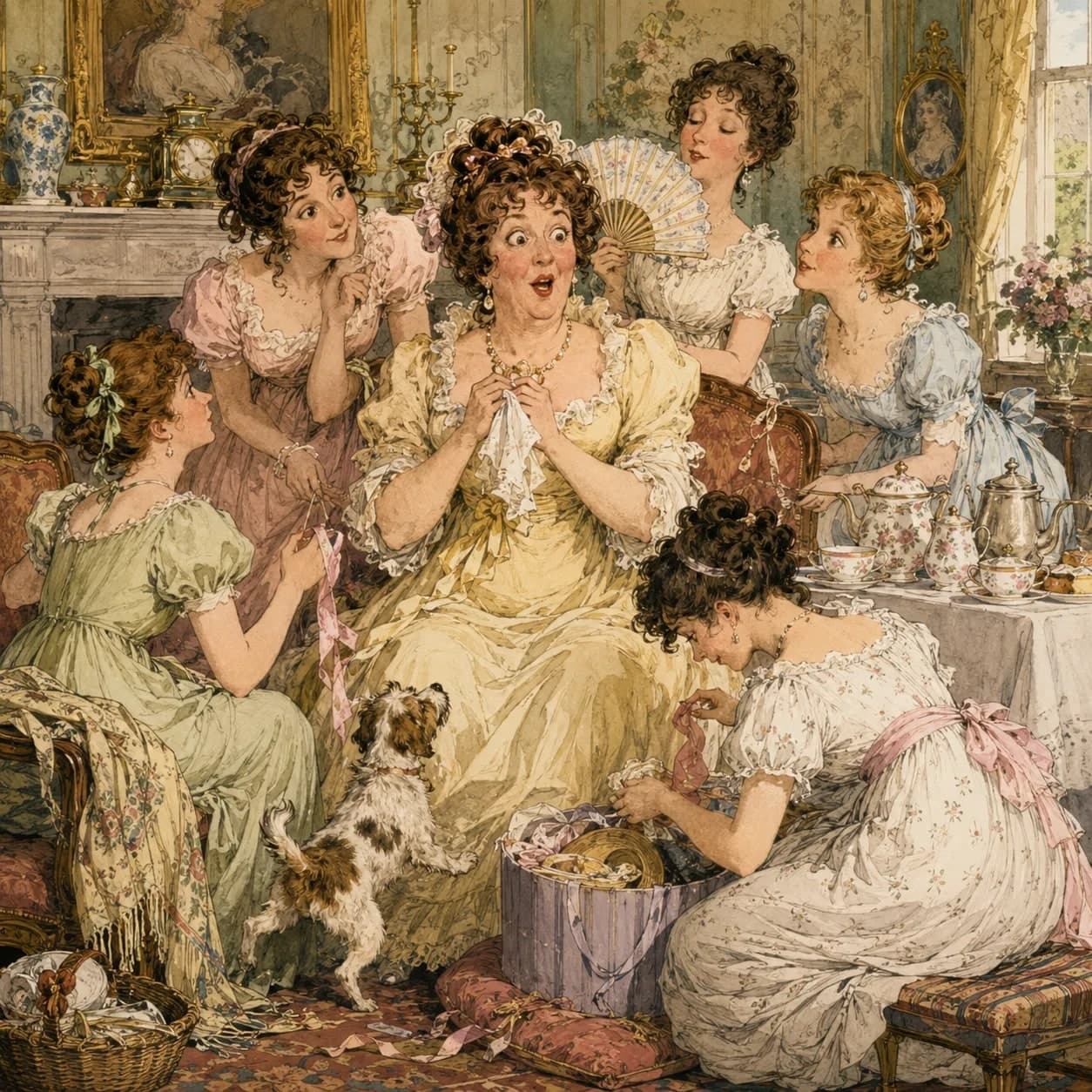
Mrs. Bennet and her daughters in a flutter — Pride and Prejudice cover art for the Saylia podcast
Mrs. Bennet Was Right

Mrs. Bennet was right all along — the entailment everyone forgets (2026)

For two hundred years readers have laughed at the loud, panicking mother of five. Then the internet did the math: the Bennet estate is entailed to a male heir, so one death leaves five daughters homeless — and Mrs. Bennet is the only adult in the house treating that as the emergency it is.

June 18, 2026 · 7 min read
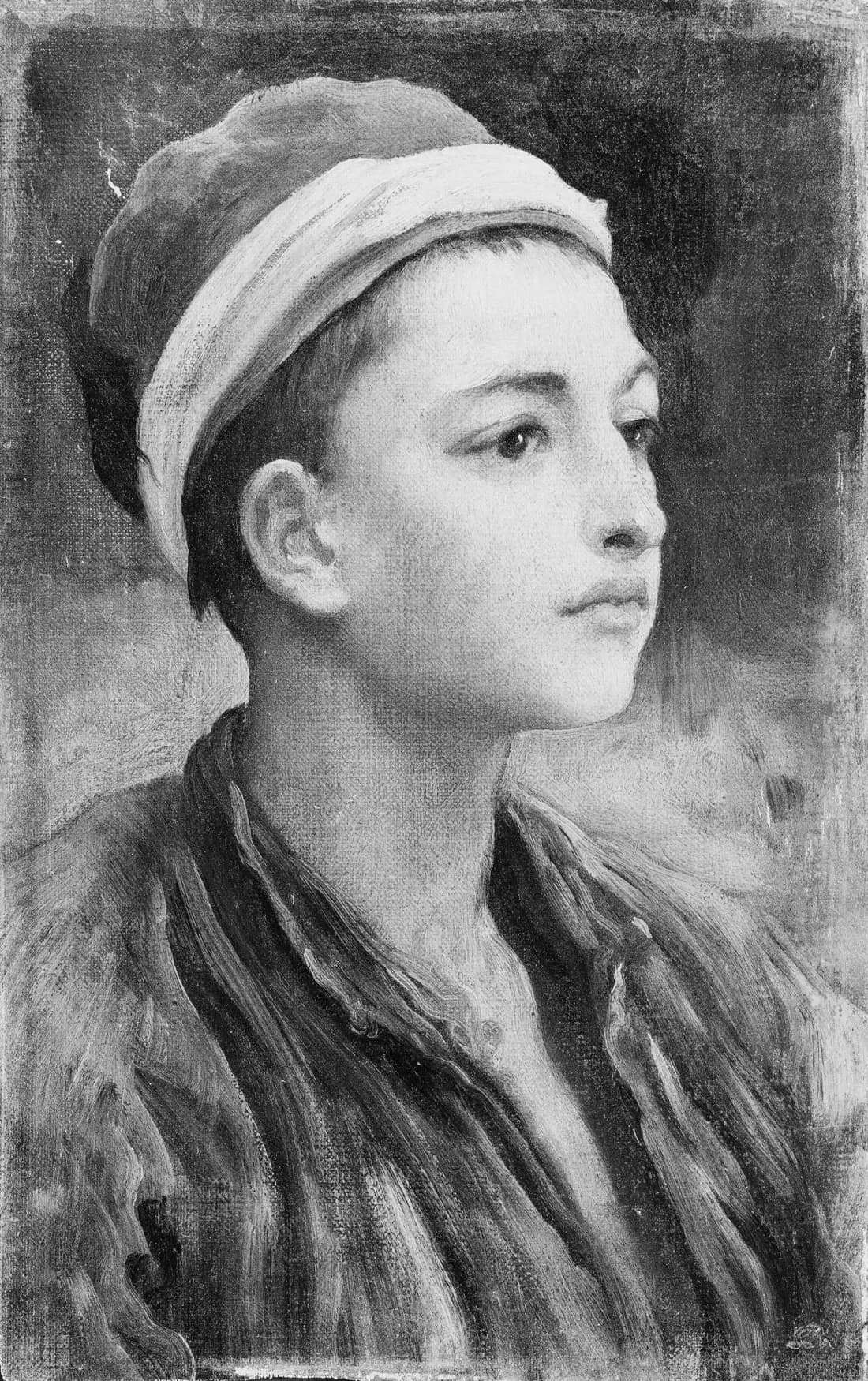
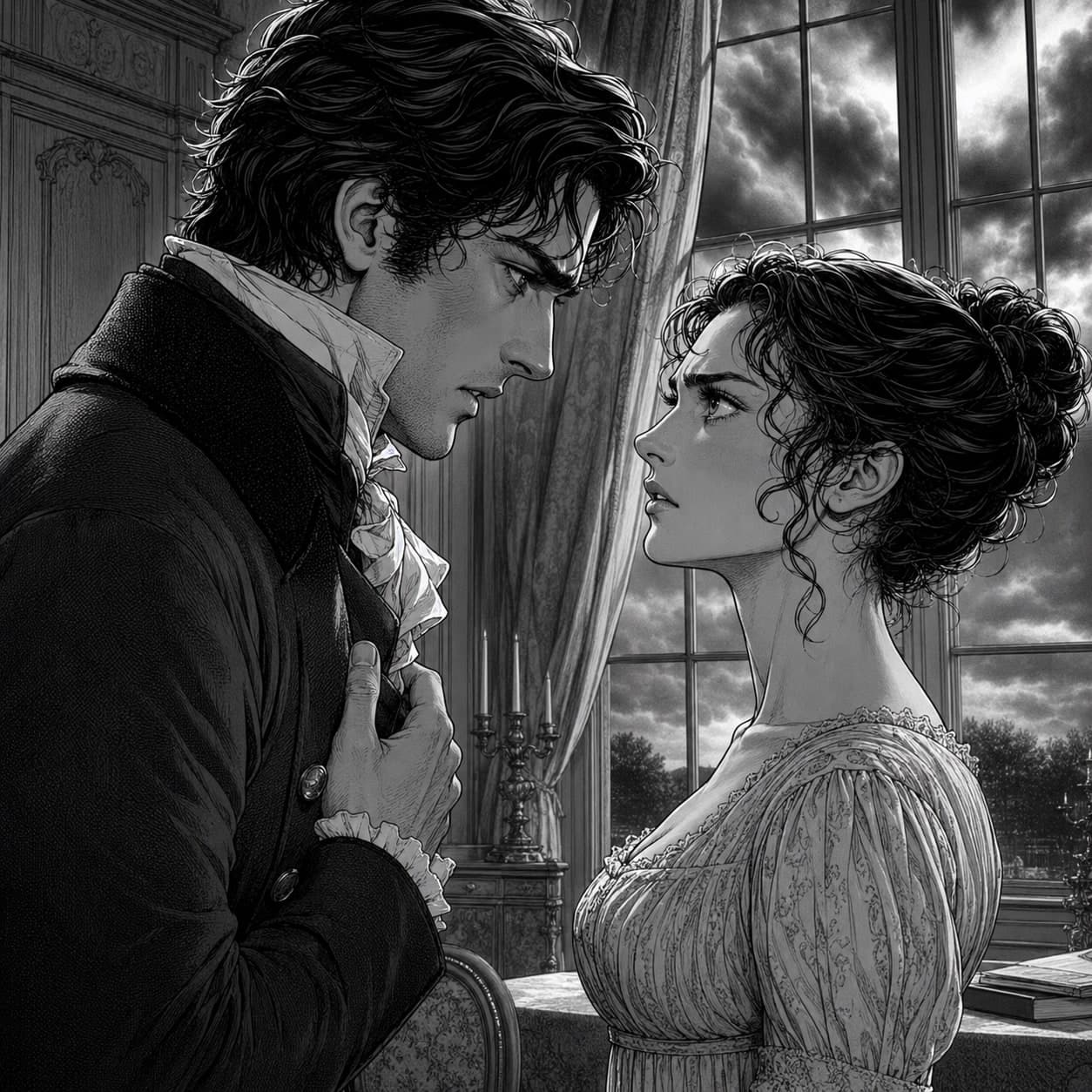
Elizabeth and Darcy in a charged confrontation — Pride and Prejudice cover art for the Saylia podcast
It's Always WYD

It's always 'wyd' — Pride and Prejudice is really about saying the thing (2026)

Strip away the muslin and Pride and Prejudice is a 400-page panic attack about not being able to say what you mean. The most-tattooed line isn't even Austen's. The book's actual rule is simpler and more useful than the longing: nothing moves until someone finally writes the thing down.

June 18, 2026 · 6 min read
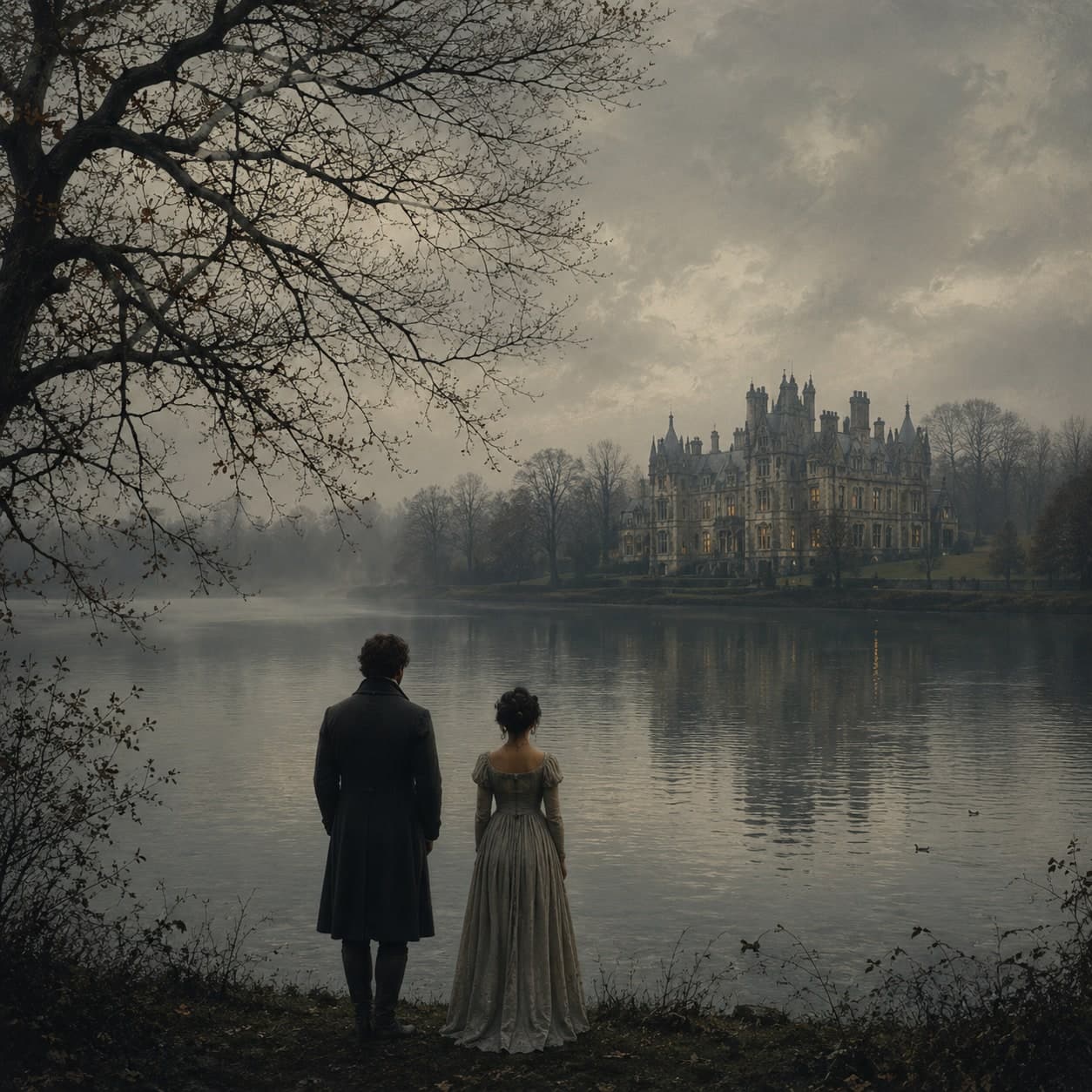
Two figures before a great house across a misty lake — Pride and Prejudice cover art for the Saylia podcast
The Hand Flex Decade

The Pride and Prejudice hand flex isn't in the book — or the script (2026)

The single most-replayed Pride and Prejudice moment is three seconds of Darcy flexing his hand — and it isn't in Austen's book or even the film's script. Two hundred years on, the novel's footprint is bigger than its text: it keeps manufacturing memes, tropes, and even a common noun.

June 18, 2026 · 6 min read
Alice in Wonderland
All Alice in Wonderland essays →
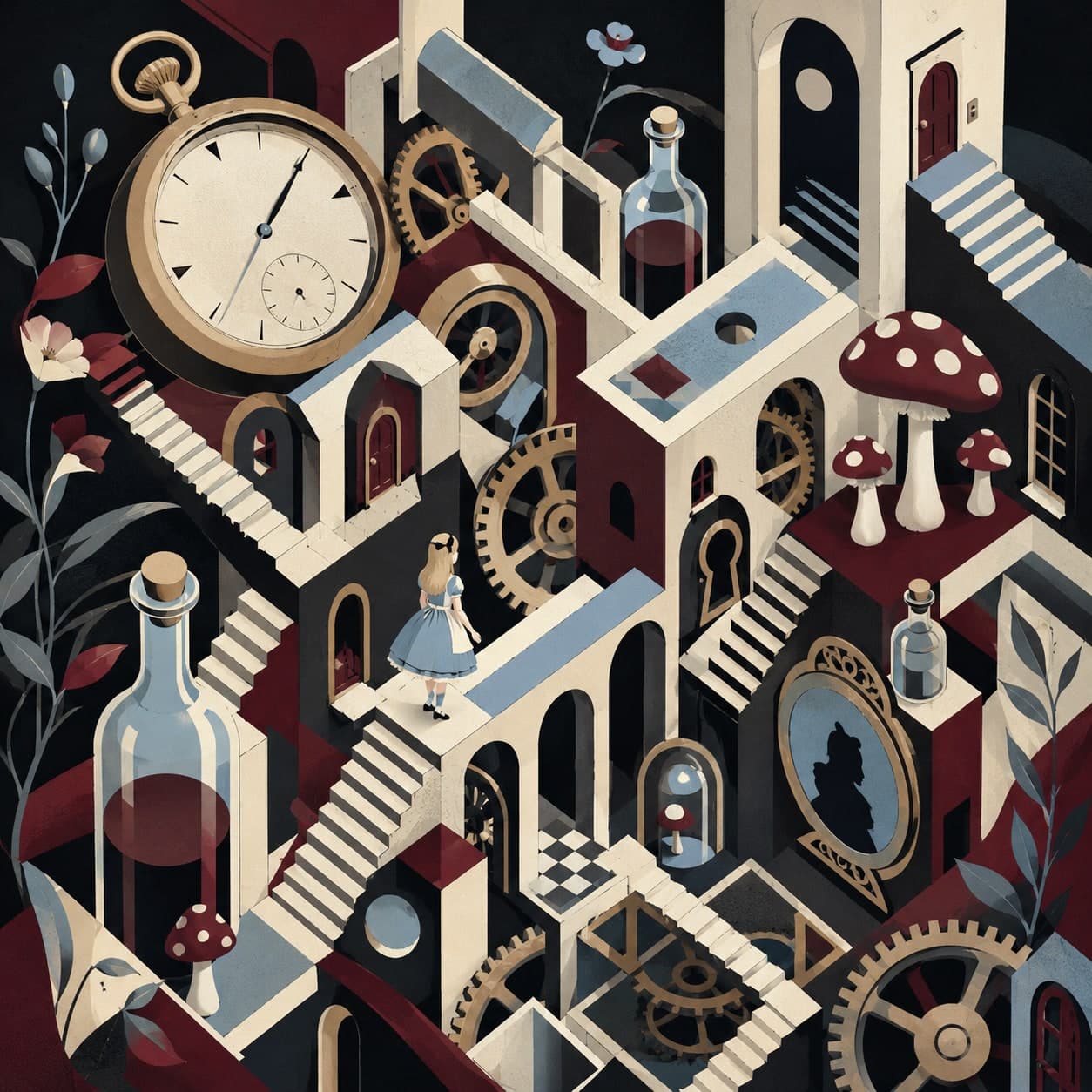
A tiny Alice amid an impossible Escher-like maze of staircases, doors, clocks and bottles — Alice in Wonderland cover art for the Saylia podcast
Math Teacher's Revenge

Alice in Wonderland isn't nonsense — it's a math teacher's logic puzzle (2026)

Lewis Carroll taught mathematics at Oxford for 26 years. Read Alice in Wonderland knowing that and the nonsense reorganizes itself: every weird image has a rule under it. Here's the engineered logic hiding in a children's book.

June 7, 2026 · 6 min read
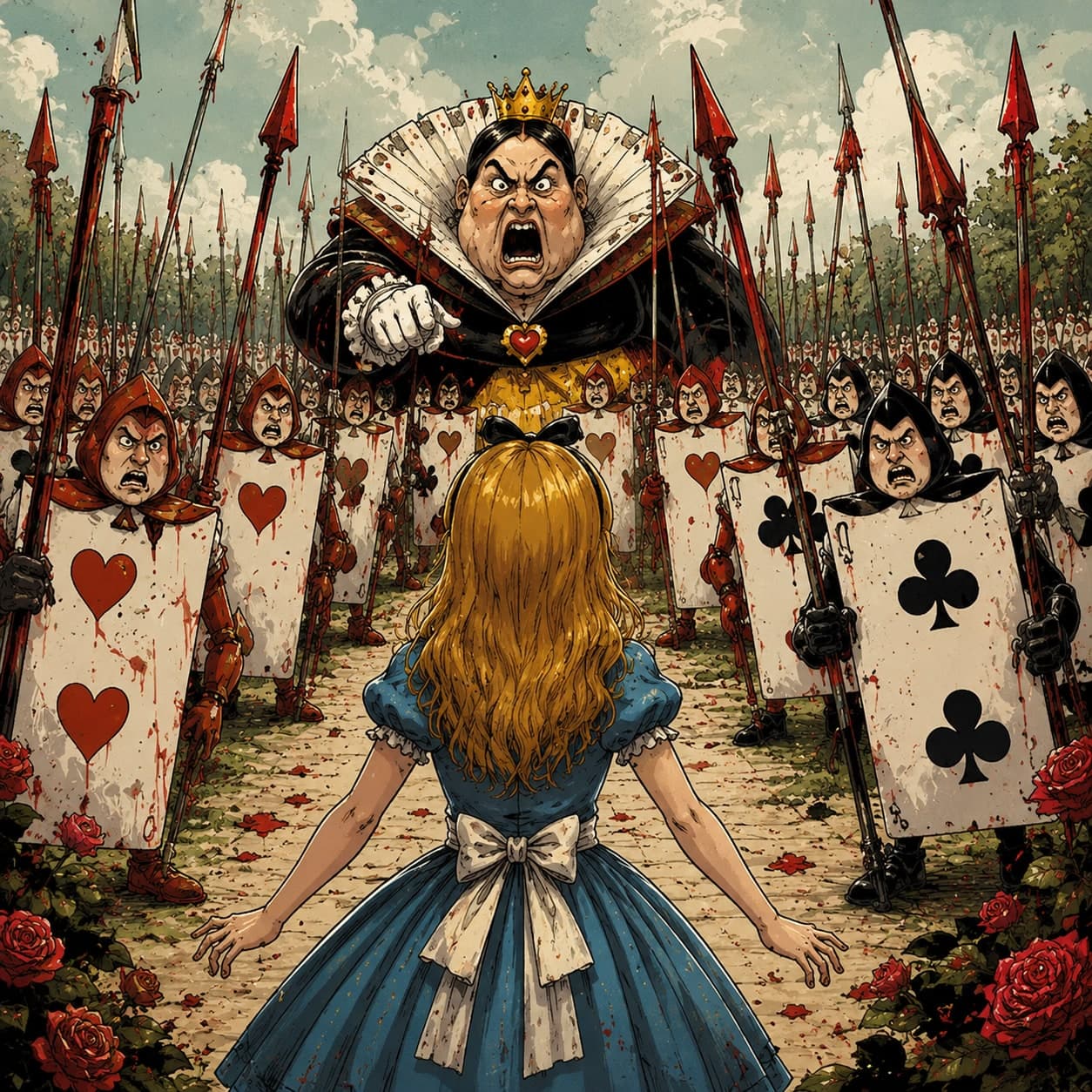
Alice facing the Queen of Hearts and her army of cards — Alice in Wonderland cover art for the Saylia podcast
What 9-Year-Old You Missed

What you missed in Alice in Wonderland as a kid — and can't unsee as an adult (2026)

At nine, Alice in Wonderland is a girl having a weird day. At thirty, it's a precise account of losing control of your body, your identity, and the rules — disguised as a children's book. Here's what you missed the first time.

June 7, 2026 · 6 min read
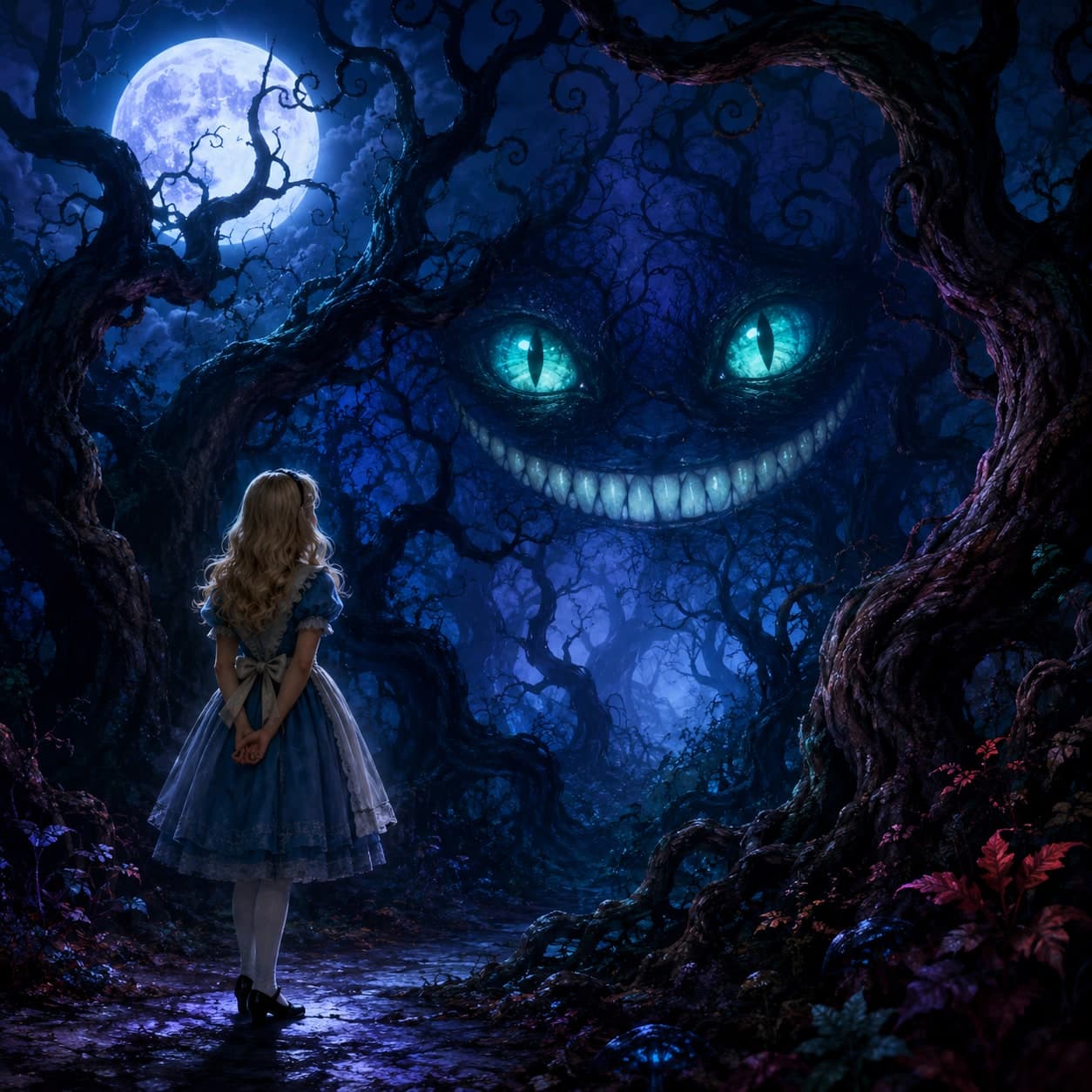
Alice facing the glowing grin of the Cheshire Cat in a moonlit forest — Alice in Wonderland cover art for the Saylia podcast
Cheshire Cat Therapy

The Cheshire Cat gave you better life advice than your therapist (2026)

He's in the book for barely ten pages, but the Cheshire Cat owns the lines people put on their forearms. Carroll wrote four pieces of usable life advice into one minor character — the fork in the road, “we're all mad here,” the grin without a cat, and refusing the shape.

June 7, 2026 · 6 min read
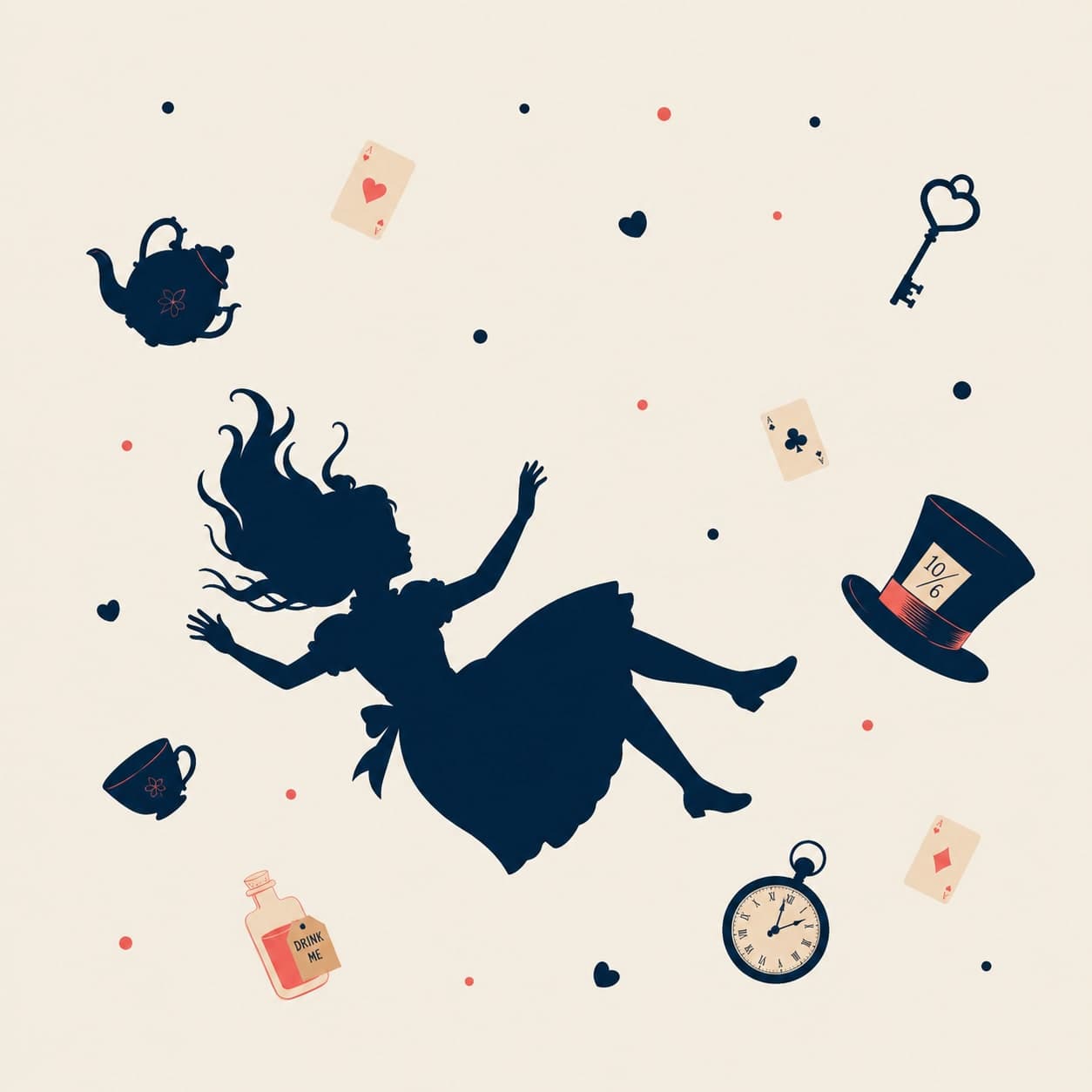
Alice falling in silhouette amid a teapot, playing cards, a key, a top hat and a pocket watch — Alice in Wonderland cover art for the Saylia podcast
It's Always Alice

Every place Alice in Wonderland is hiding in pop culture — and you quote it weekly (2026)

You quote Alice in Wonderland constantly without noticing — every time you say “down the rabbit hole” or “red pilled.” Here's the trail from an 1865 children's book to the Matrix, a 1967 rock anthem, every portal story since, and the names in your cryptography textbook.

June 7, 2026 · 6 min read
Frankenstein

All Frankenstein essays →
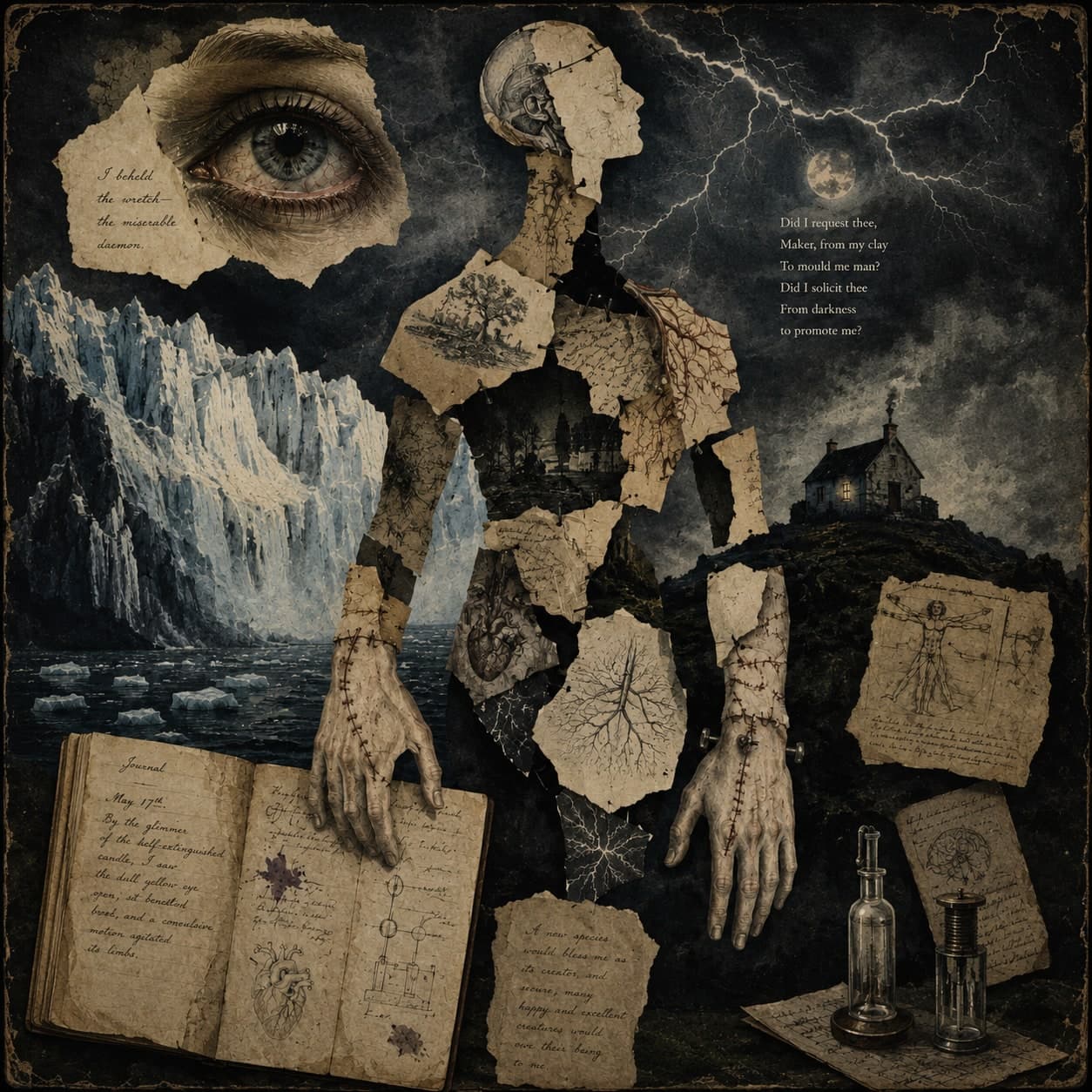
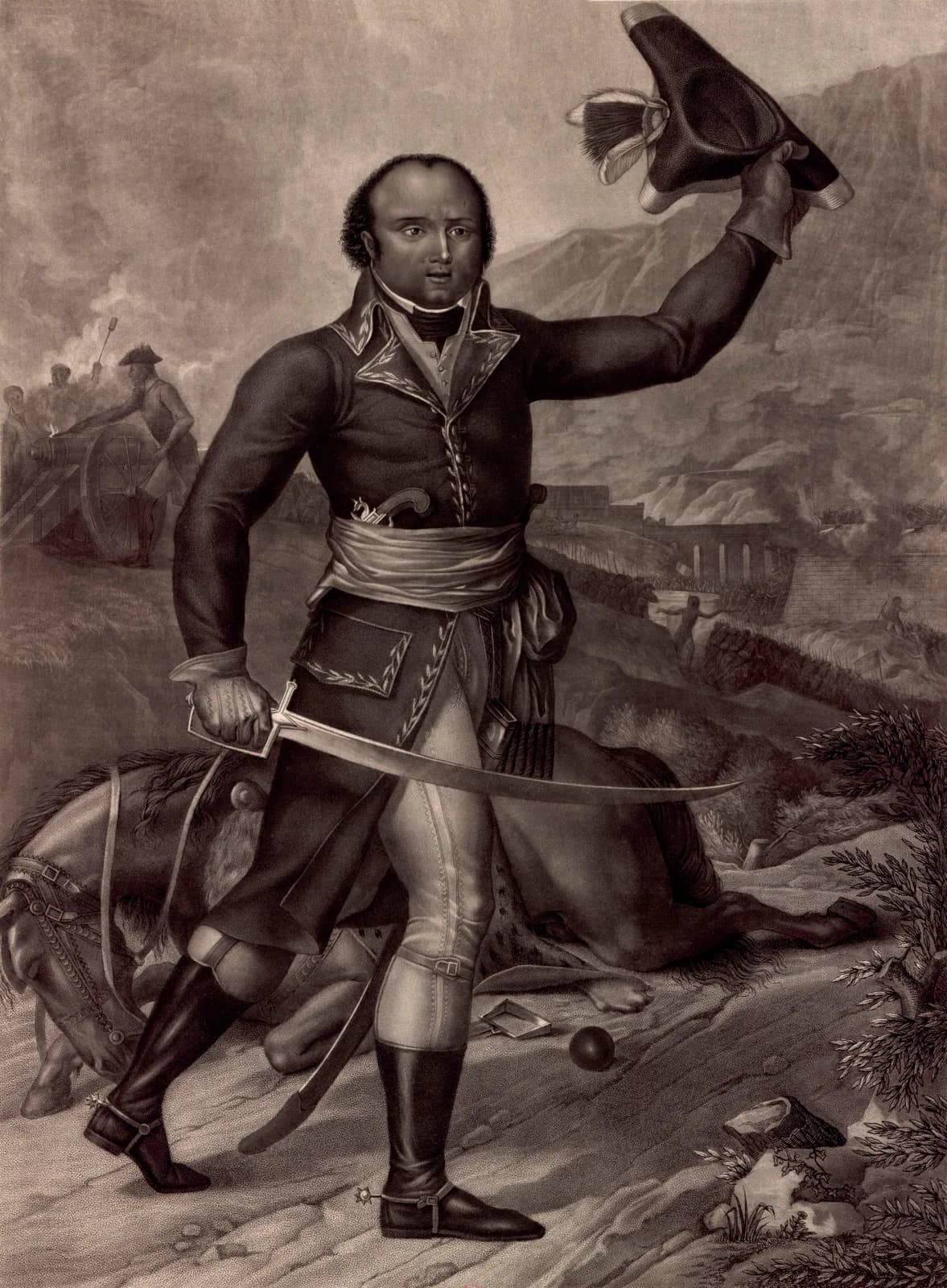
A collage of the creature's stitched body, his maker's journal, and Milton's line 'Did I request thee, Maker, from my clay to mould me man?' — Frankenstein book-cover artwork for the Saylia podcast
Made, Not Born

Was Frankenstein's monster born evil — or made that way? (2026)

Mary Shelley's creature begins articulate, gentle, and hopeful. “Monster” is a status the world hands him, one rejection at a time. Here's what the novel actually argues about how monsters get made.

May 30, 2026 · 6 min read
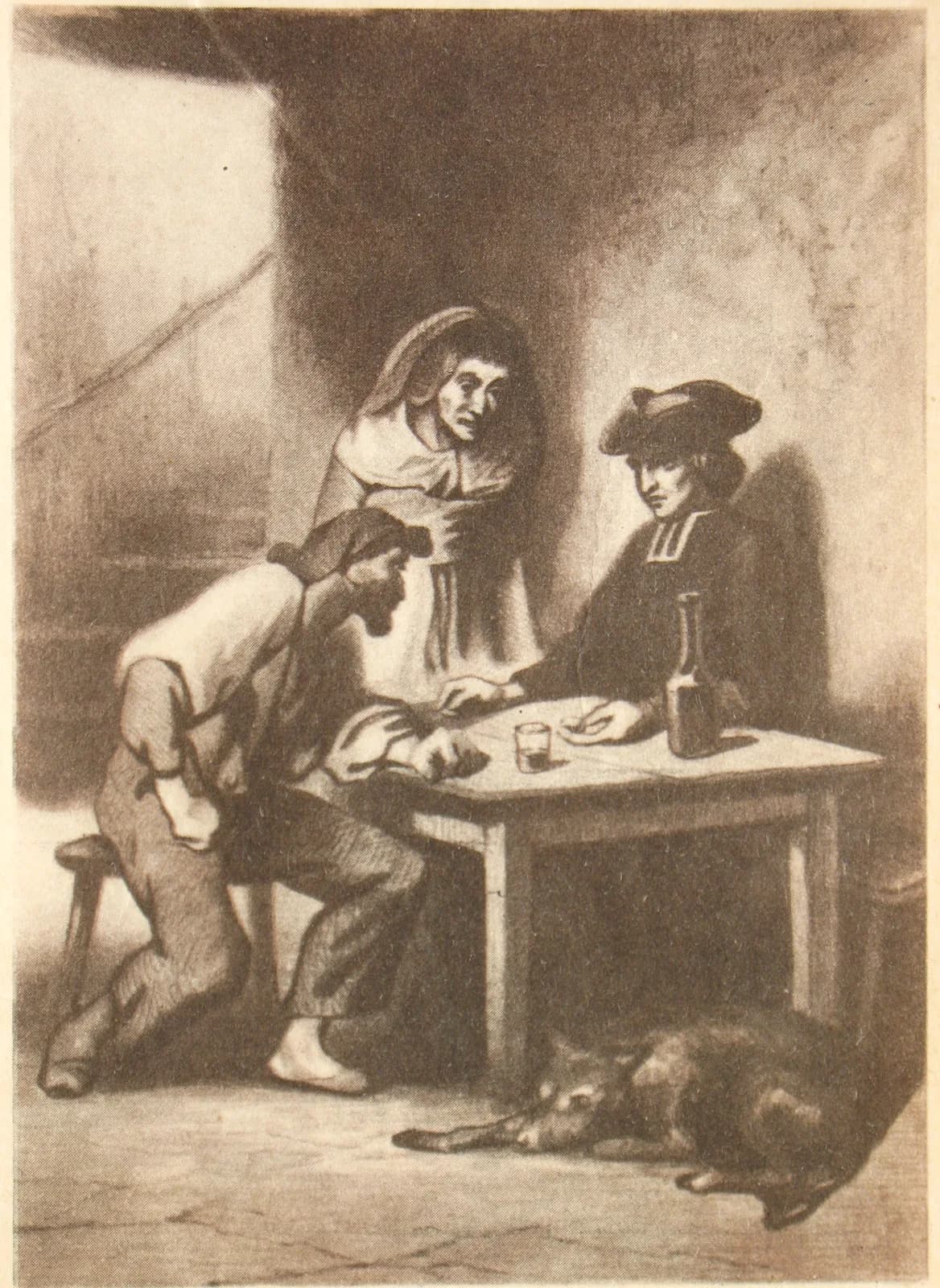
Frankenstein's creature cupping the spark of life before moonlit mountains, papercraft style — Frankenstein book-cover artwork for the Saylia podcast
The Loneliest Book

Frankenstein is the loneliest book ever assigned in school — here's why (2026)

Strip away the bolts and the lab, and Frankenstein is three lonely people reaching for one friend who never reaches back. The creature wanted connection, not revenge — and that's why the book still lands in 2026.

May 30, 2026 · 5 min read
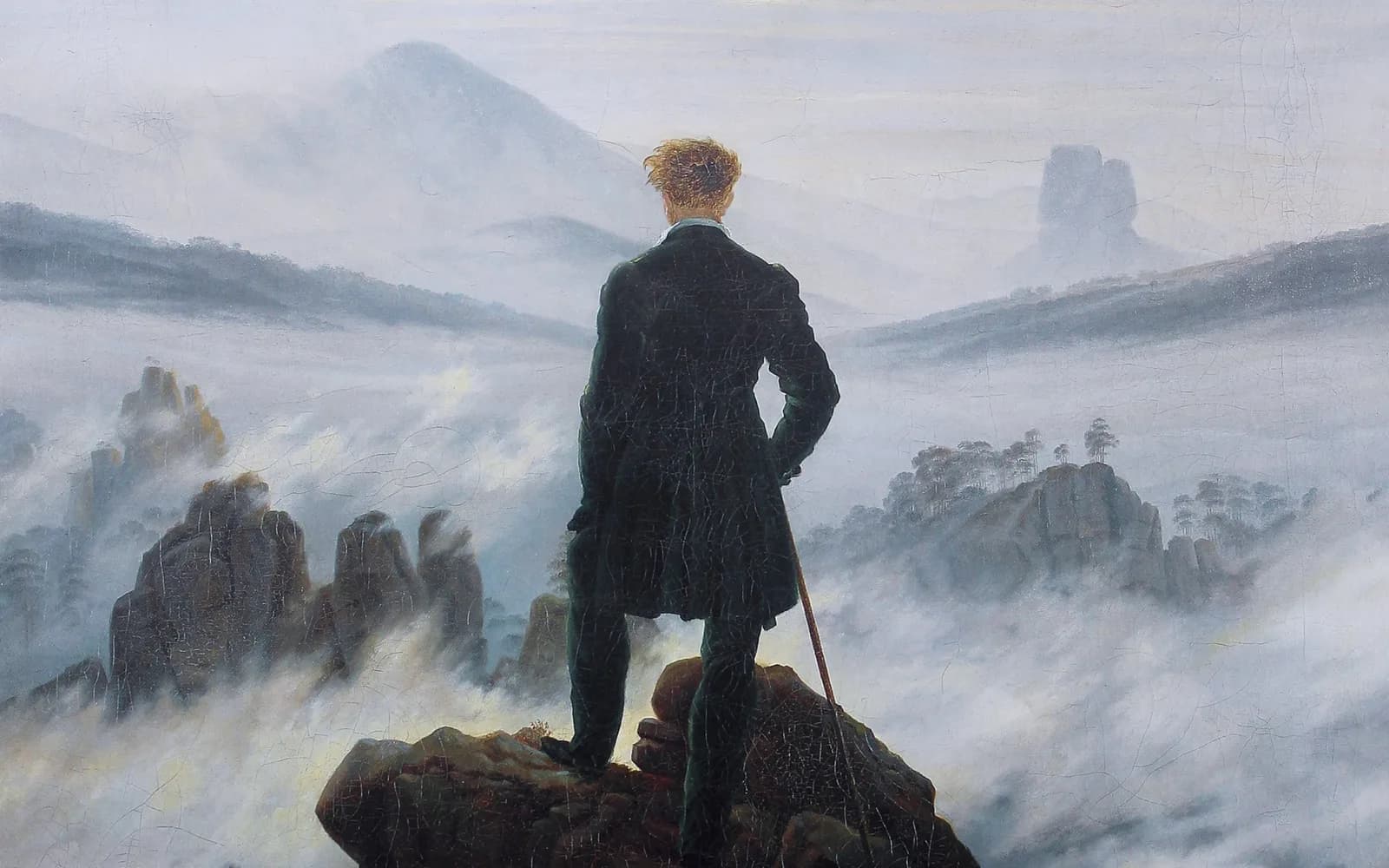
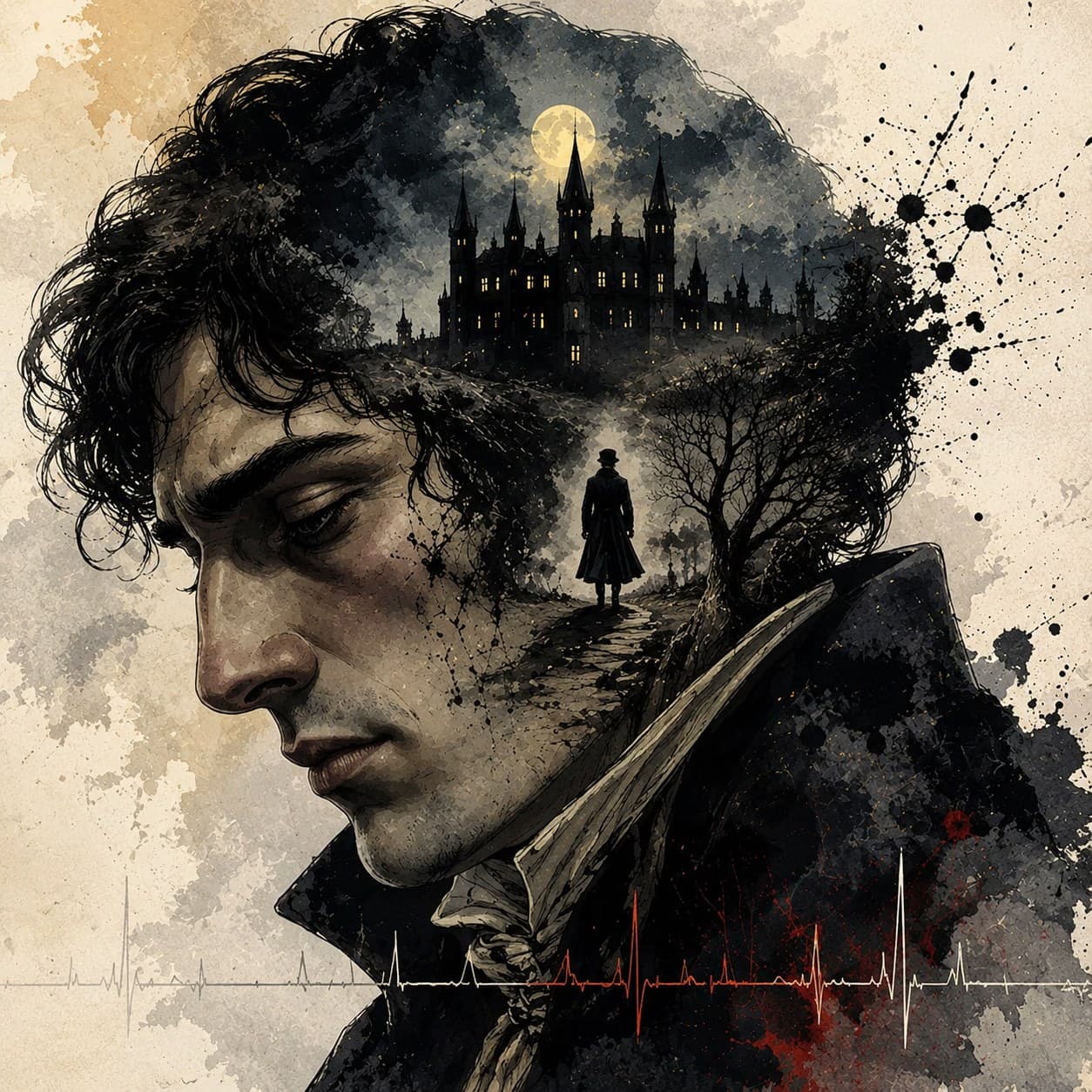
Victor Frankenstein brooding, a moonlit castle in his hair — Frankenstein book-cover artwork for the Saylia podcast
The Founder's Sin

Victor Frankenstein would have launched an AI startup — and shipped it badly (2026)

Victor builds the most important thing of his life and walks out of the room the moment it works. Two hundred years later, that's the failure mode the AI debate keeps reaching for. The rule the book hands you: stay in the room.

May 30, 2026 · 5 min read
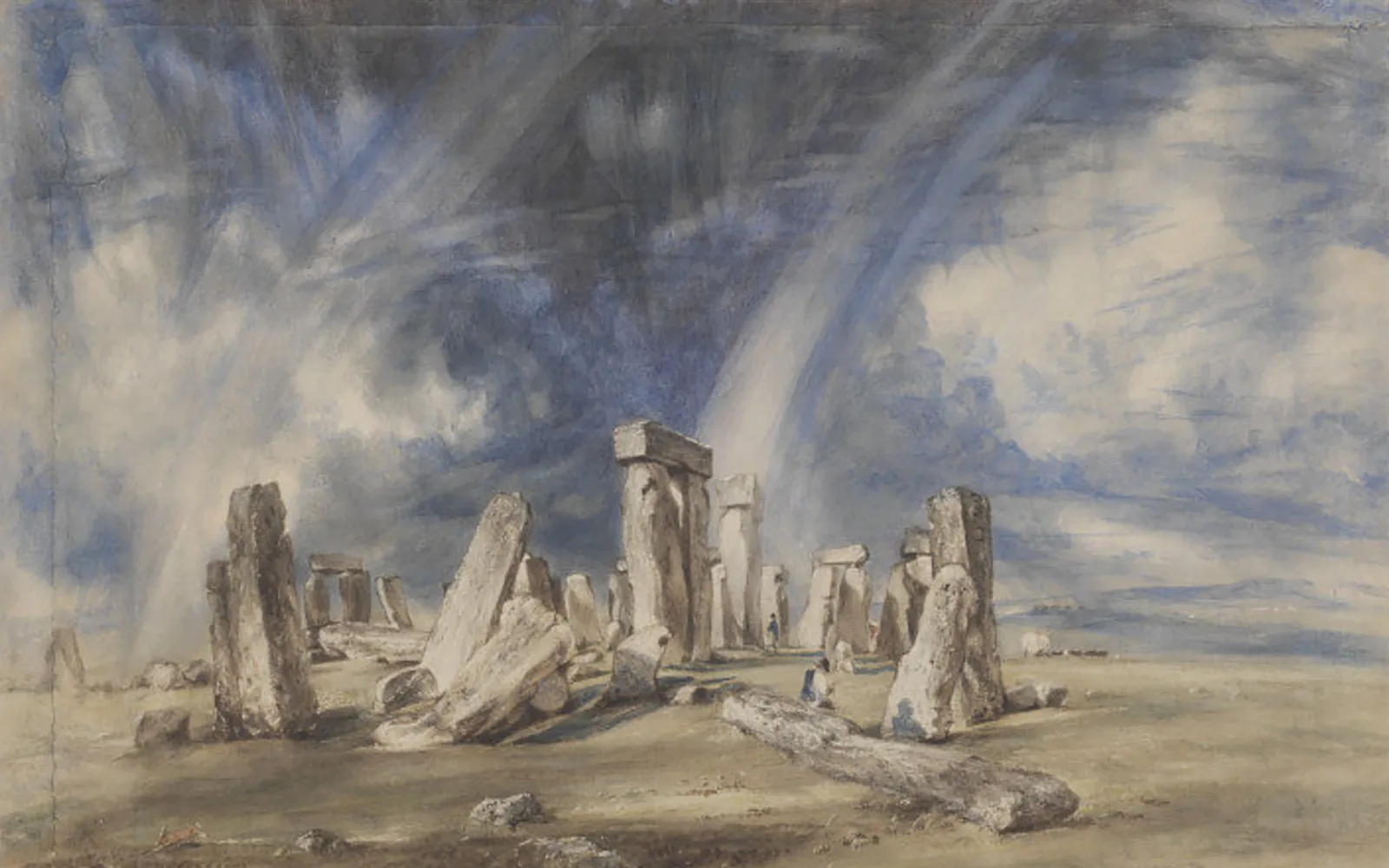
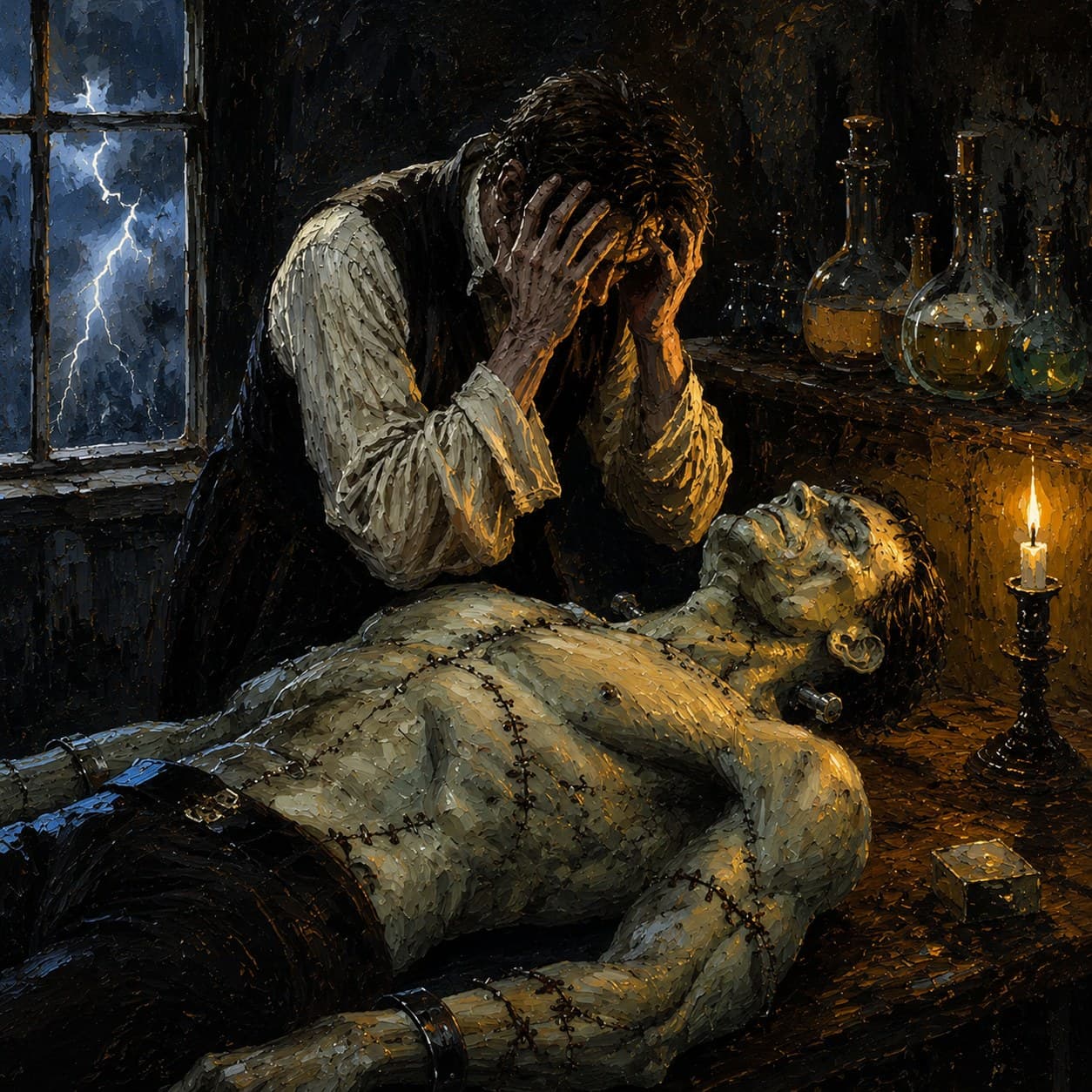
Victor Frankenstein, head in his hands, recoiling from the creature he has just brought to life — Frankenstein book-cover artwork for the Saylia podcast
When Being Brilliant Isn't Enough

When being brilliant isn't enough: what Frankenstein costs Victor (2026)

One man, one lifetime, five people in the ground — and he's supposed to be the genius of the story. Frankenstein isn't a warning against ambition. It's a warning against ambition that forgets the people. Why del Toro's 2025 film sent everyone back to the book.
May 30, 2026 · 5 min read