Saylia/Blog
The Great Gatsby book cover

The Great Gatsby

F. Scott Fitzgerald · 1925 · 11 essays

Eleven essays on Fitzgerald's novel and the playable version of it: whether the narrator is telling you the truth, the case against Daisy Buchanan argued both ways, what “can't repeat the past” actually means, how a book that sold badly became required reading in every American school, every screen and stage version ranked for faithfulness, a guide to who is who across the bay, and the four essays that pick up where the Saylia The Great Gatsby podcast leaves off.

Role-play The Great GatsbyListen to the podcast
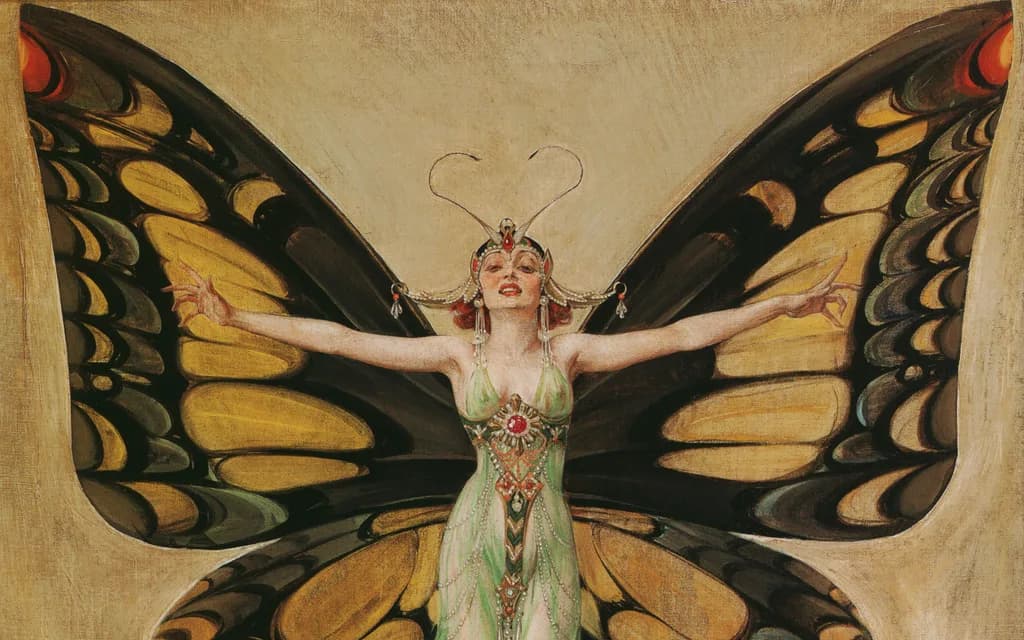
Frank Xavier Leyendecker's 1922 Life magazine cover The Flapper: a woman in a jewelled gown with enormous butterfly wings
Within and Without

Is Nick Carraway a Reliable Narrator, and Is He in Love With Gatsby? What the Text Supports

Nick tells you on page one that he does not judge anyone, and calls himself one of the few honest people he knows two chapters later. Then he arranges the affair that drives the second half of the novel, and ends by convicting two people by name.

September 4, 2026 · 8 min read

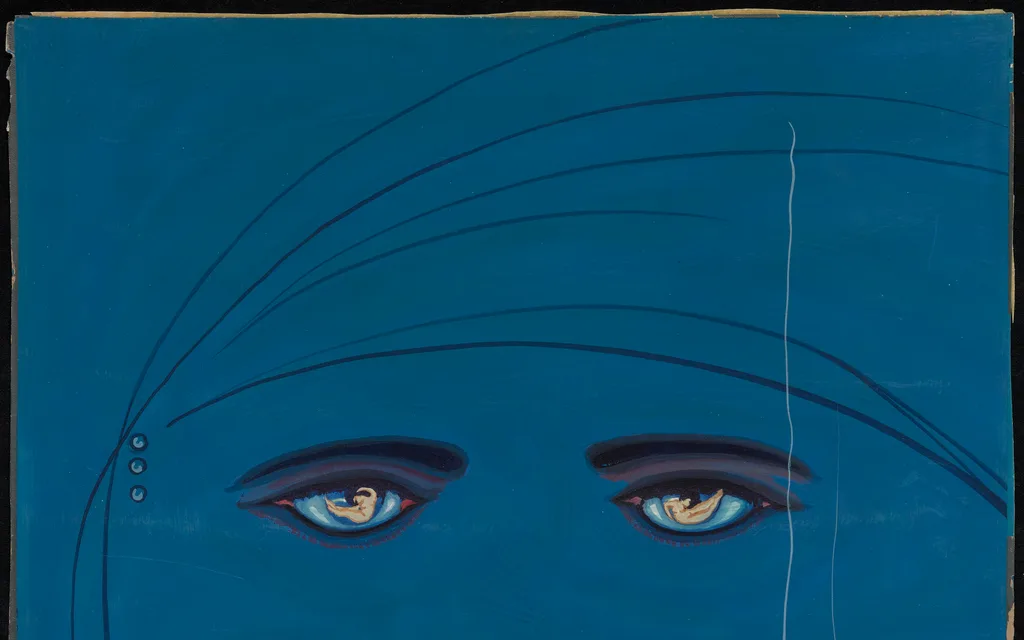
Francis Cugat's 1925 dust-jacket painting Celestial Eyes: a woman's eyes floating over a dark blue night sky
Careless People

Is Daisy Buchanan the Villain of The Great Gatsby? The "Careless People" Case, Both Ways

The novel never puts the word villain next to her name. It simply tells you who was driving, who took the blame, and who sent nothing afterwards, and then hands the summing-up to the one character who was never going to be impartial about her.

September 4, 2026 · 8 min read

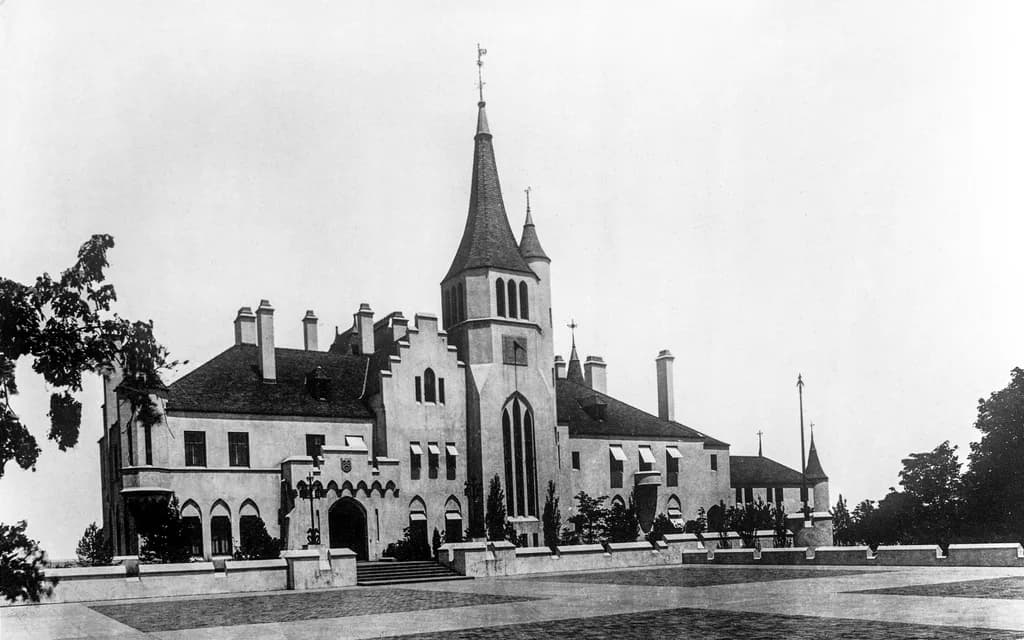
Beacon Towers, the castellated Gold Coast mansion at Sands Point on Long Island, photographed in 1922
Repeat the Past

Is The Great Gatsby About the American Dream? Yes, and "Can't Repeat the Past" Is the Line That Proves It

The line everyone quotes is usually attributed to the wrong character. Nick offers the warning; Gatsby rejects it on the spot, and then explains that he intends to fix everything just the way it was before. Chapter six is where the book tells you how it ends.

September 4, 2026 · 8 min read

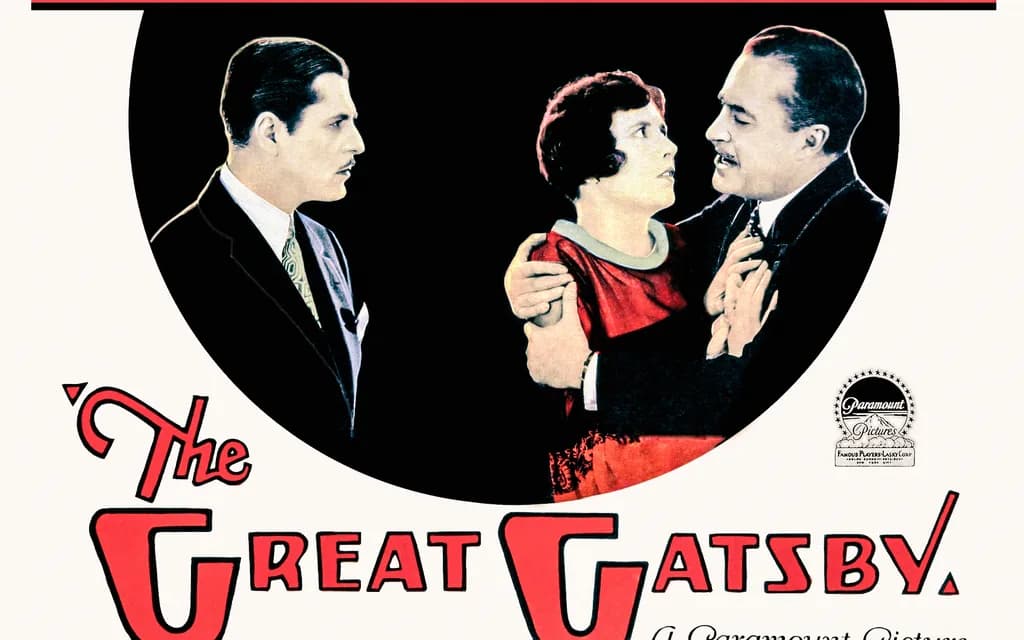
The 1926 theatrical release poster for the silent film of The Great Gatsby, showing Gatsby, Daisy and Tom in a black circle
Required Reading

Why Is The Great Gatsby Taught in Every American School? The Real History of a Flop That Became Required

When Fitzgerald died in 1940 he believed the book had failed, and unsold copies of it were still sitting on the publisher's hands. What put it on every American syllabus was a wartime paperback programme, not a critical verdict.

September 4, 2026 · 8 min read

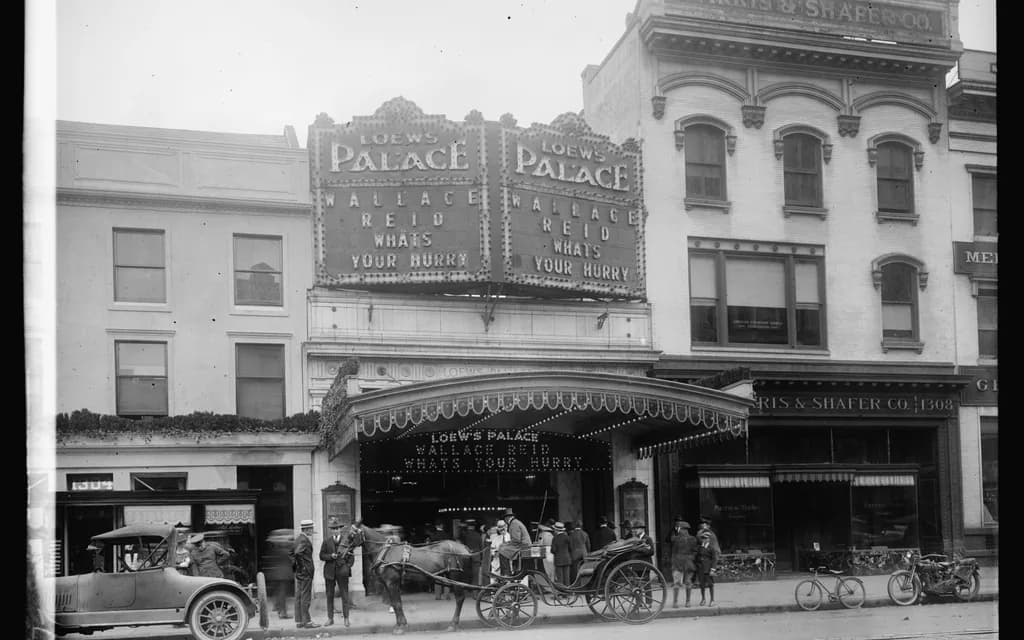
The exterior of Loew's Palace Theater in 1920, with an illuminated marquee and period cars and carriages outside
Old Sport, New Medium

Every Great Gatsby Adaptation, Ranked for Faithfulness: 1926, 1949, 1974, 2013 and Broadway

A century of screen and stage versions, and the first one exists only as a one-minute trailer. Which is closest to the novel, which is the better film, and what happened when two separate teams put Gatsby on a stage ten weeks apart.

September 4, 2026 · 9 min read

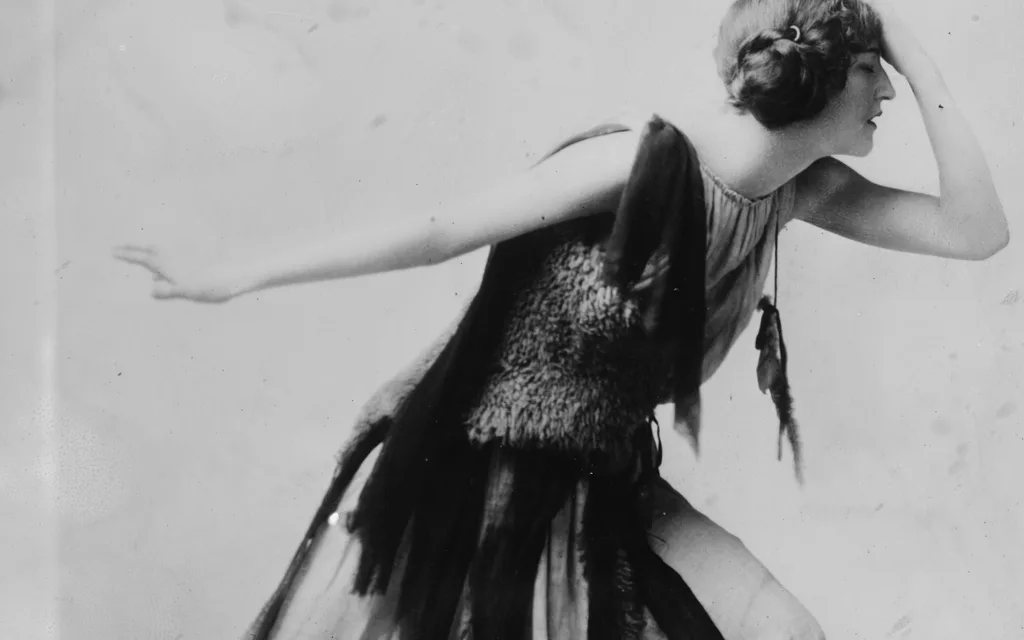
Violet Romer photographed in a flapper dress by the Bain News Service, mid-dance with one arm extended
Old Money, New Money

Who's Who in The Great Gatsby: a Character Guide to West Egg, East Egg and the Valley of Ashes

Eight characters, three addresses, and one sorting rule that explains all of them: not how much money you have, but where it came from and how long ago. Everything else in the novel follows from that.

September 4, 2026 · 8 min read

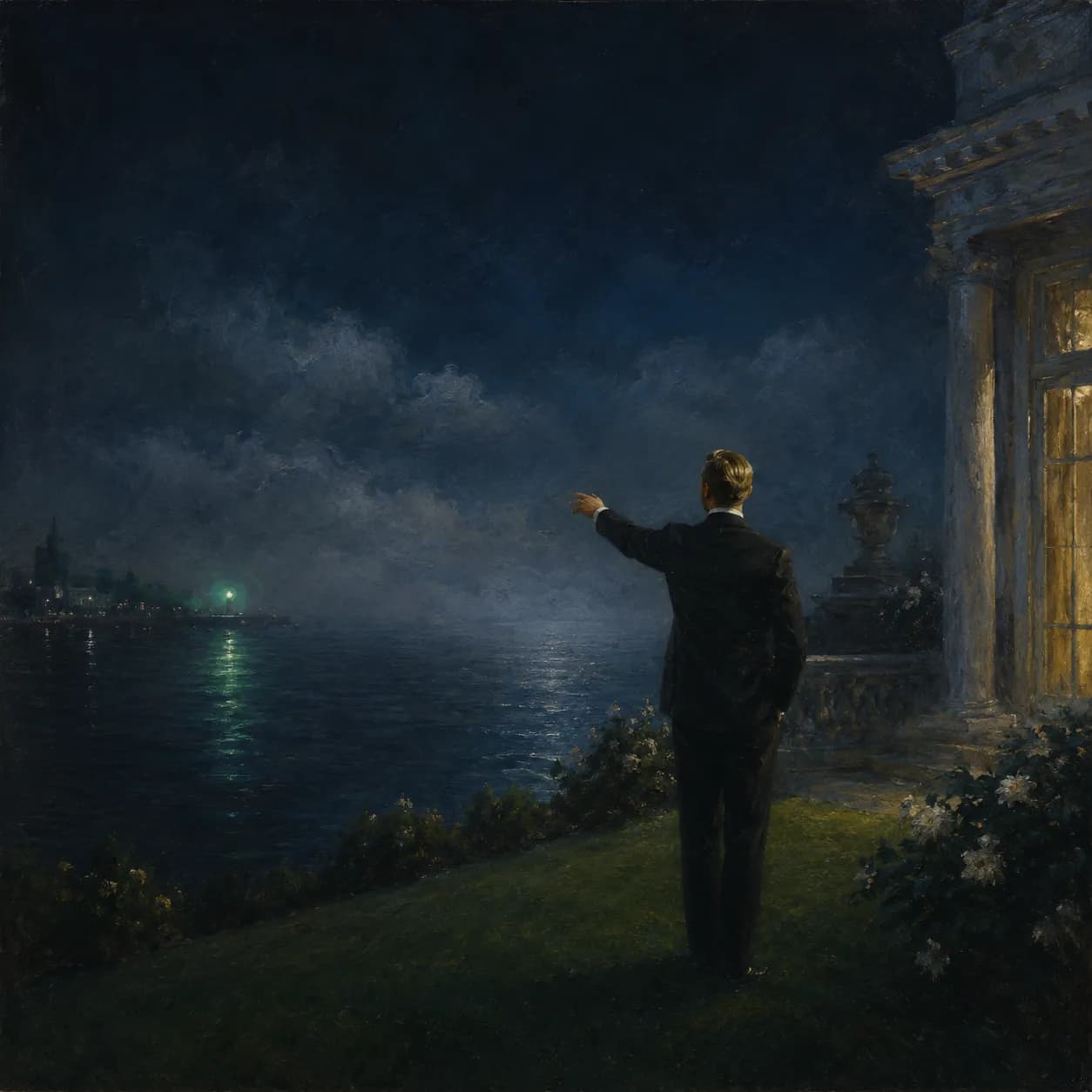
Gatsby reaching across the dark bay toward a single green light — The Great Gatsby cover art for the Saylia podcast
The Green Light

What the green light in The Great Gatsby really means — and why you've felt it (2026)

Gatsby stands on his lawn at midnight reaching for a tiny green light across the bay. Everyone reads it as romance. It's really about every thing you're never going to have — the ex's profile, the apartment you can't afford, the version of you that's always one summer away.

June 23, 2026 · 7 min read

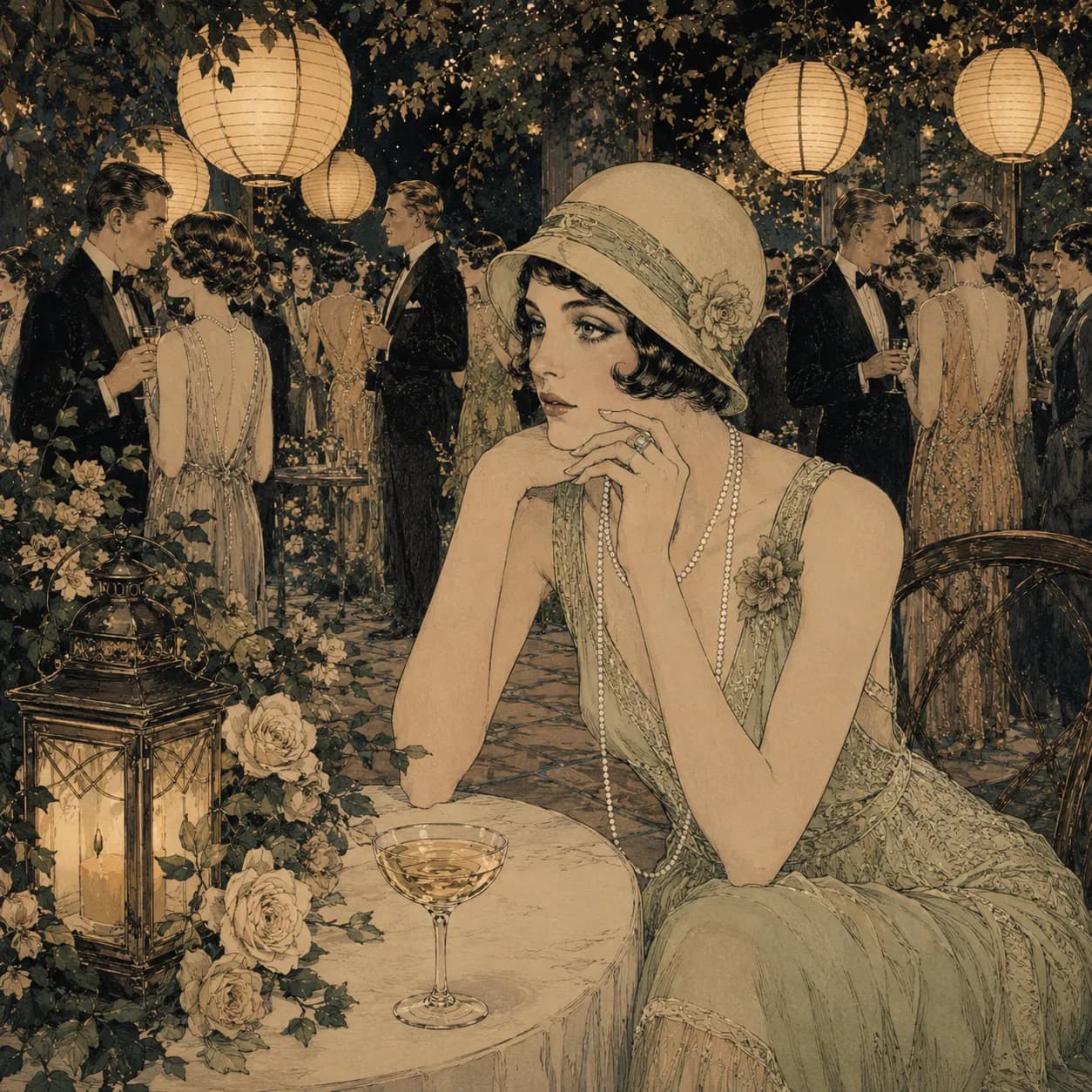
A lone figure standing apart at a crowded Jazz-Age party — The Great Gatsby cover art for the Saylia podcast
Performing the Party

Gatsby's parties were the original social media — and the funeral is the receipt (2026)

Gatsby's parties aren't fun — they're a performance for one specific person across the bay. Hundreds show up every weekend; you can count the mourners at the funeral on one hand. It's your feed, a hundred years early, and the receipt is who's there when you have nothing to give.

June 23, 2026 · 7 min read

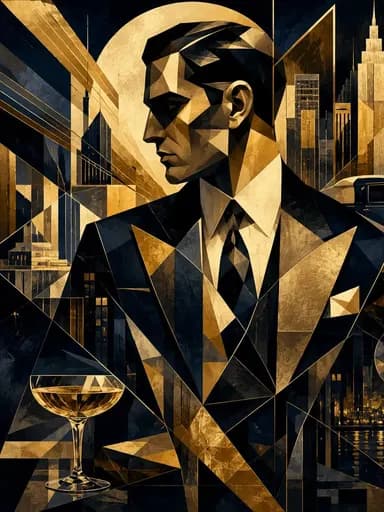
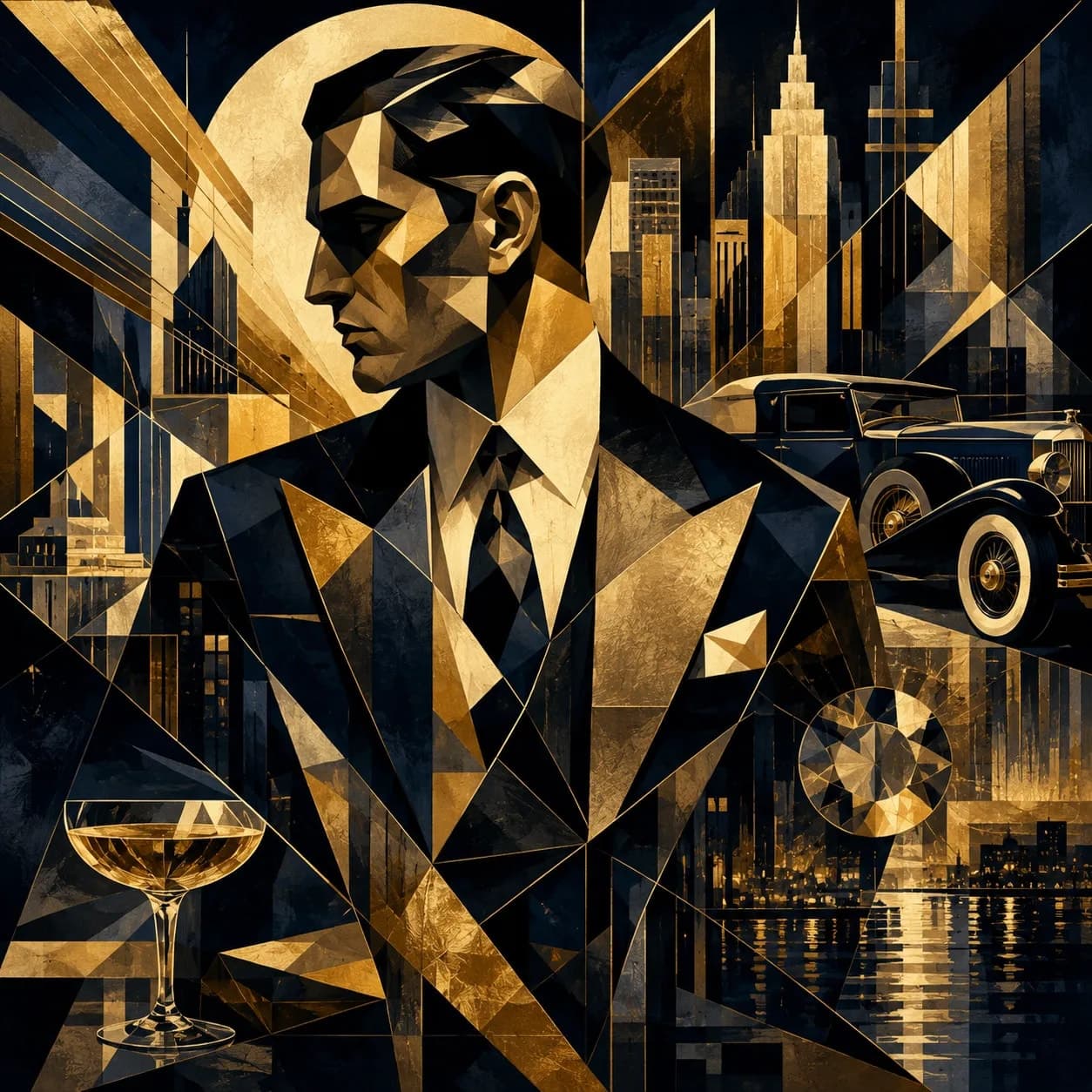
An art-deco portrait of Gatsby in profile, gold and black — The Great Gatsby cover art for the Saylia podcast
The Tell Is the Trying

Why does Gatsby say "old sport"? It's the tell that he's trying (2026)

Gatsby says "old sport" to sound like the people he wants to be. The phrase itself is the giveaway he isn't one of them. Born James Gatz in North Dakota, he guessed at how the rich talk and committed. Every code-switch leaves a seam — his is "old sport." Yours might be "circle back."

June 23, 2026 · 6 min read

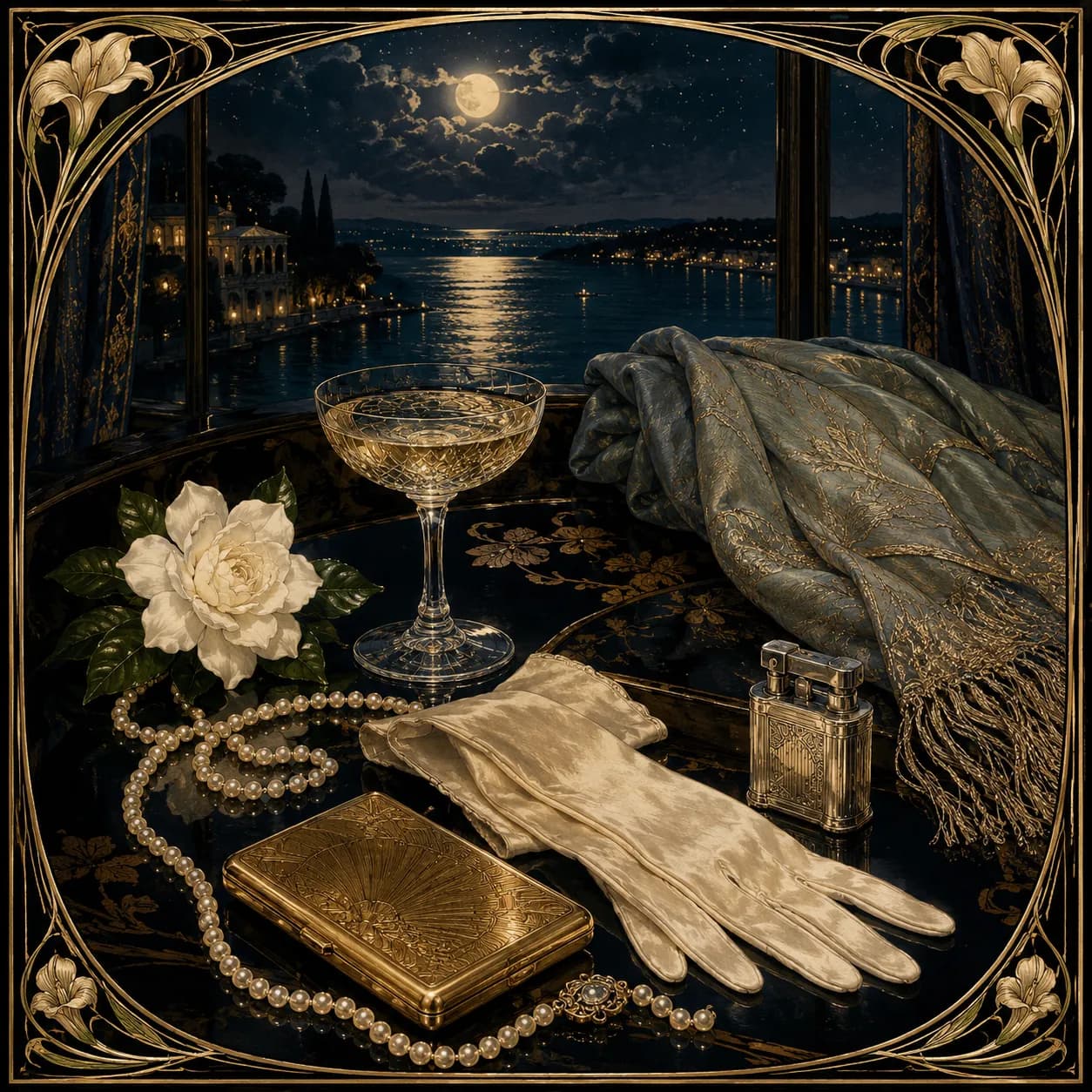
A raised champagne glass in a Jazz-Age still life — The Great Gatsby cover art for the Saylia podcast
Cheers to Gatsby

The Great Gatsby's biggest modern moment is a meme — not a line from the book (2026)

The most famous thing about The Great Gatsby isn't a sentence from it — it's six seconds of Leonardo DiCaprio raising a glass. A meme, a Tony-winning musical, two new novels, a centennial: a hundred years on, the book's footprint is bigger than the book itself.

June 23, 2026 · 7 min read

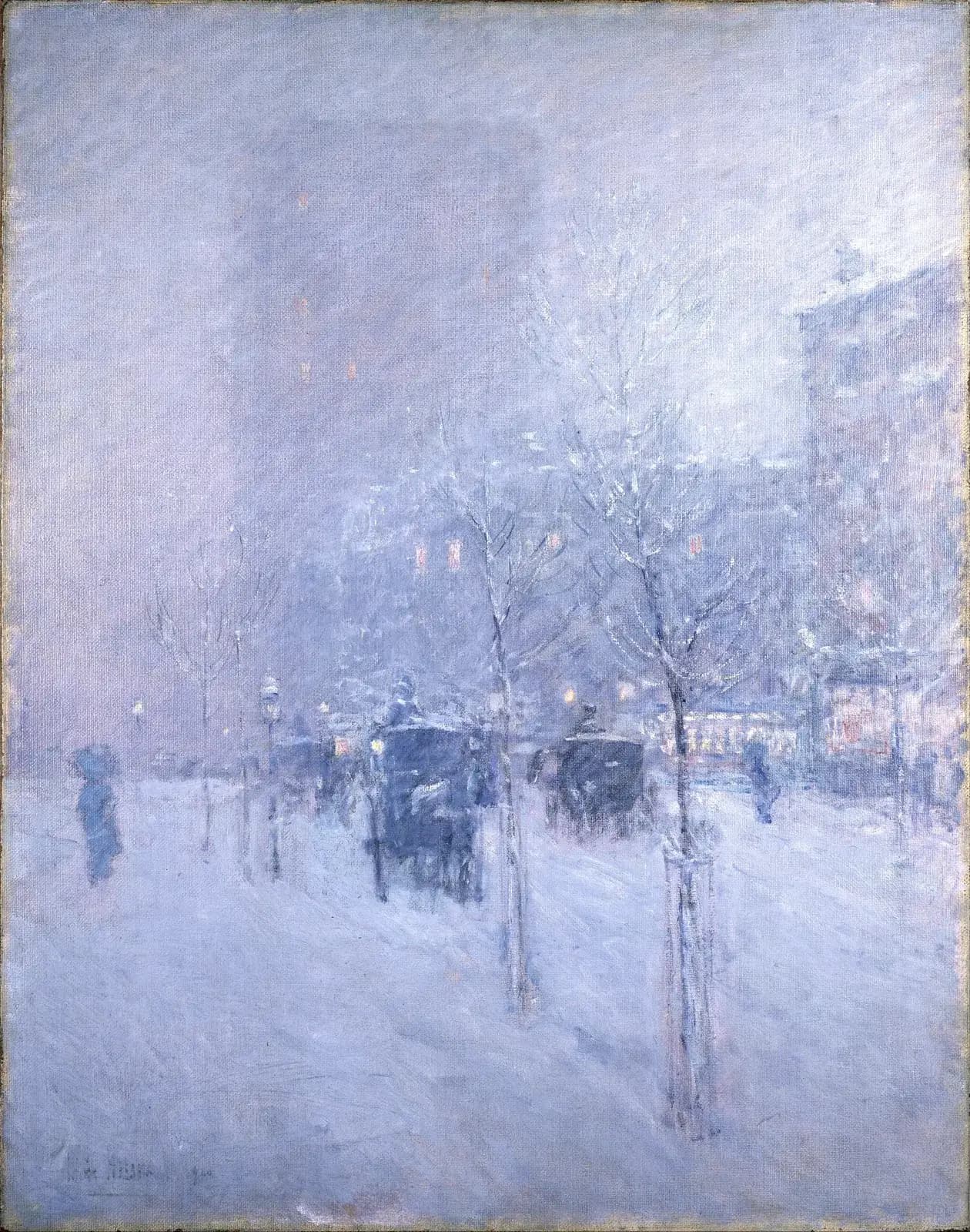
An impressionist painting of a snowy New York avenue in pale violet winter light, with bare trees, a few figures and horse-drawn carriages fading into the haze
Tom Sent WilsonSpoilers

The Great Gatsby Ending Explained: Who Killed Gatsby and What Happens After

The shooting is two paragraphs. The rest of the last chapter is about who showed up, who vanished and what Tom says on Fifth Avenue.

October 3, 2026 · 6 min read