Saylia/Blog

Les Misérables

Six essays on the novel and the playable version of it: whether the book is worth it beside the musical and which two of its 48 books you may skip by name, the nameless grave Hugo actually ends on, the ten-item memo Javert writes before he walks back to the parapet, what the show leaves out about a nineteen-year sentence, who really wrote the line everyone quotes from Les Misérables, and who is who once the songs stop.

Role-play Les MisérablesAll book essays
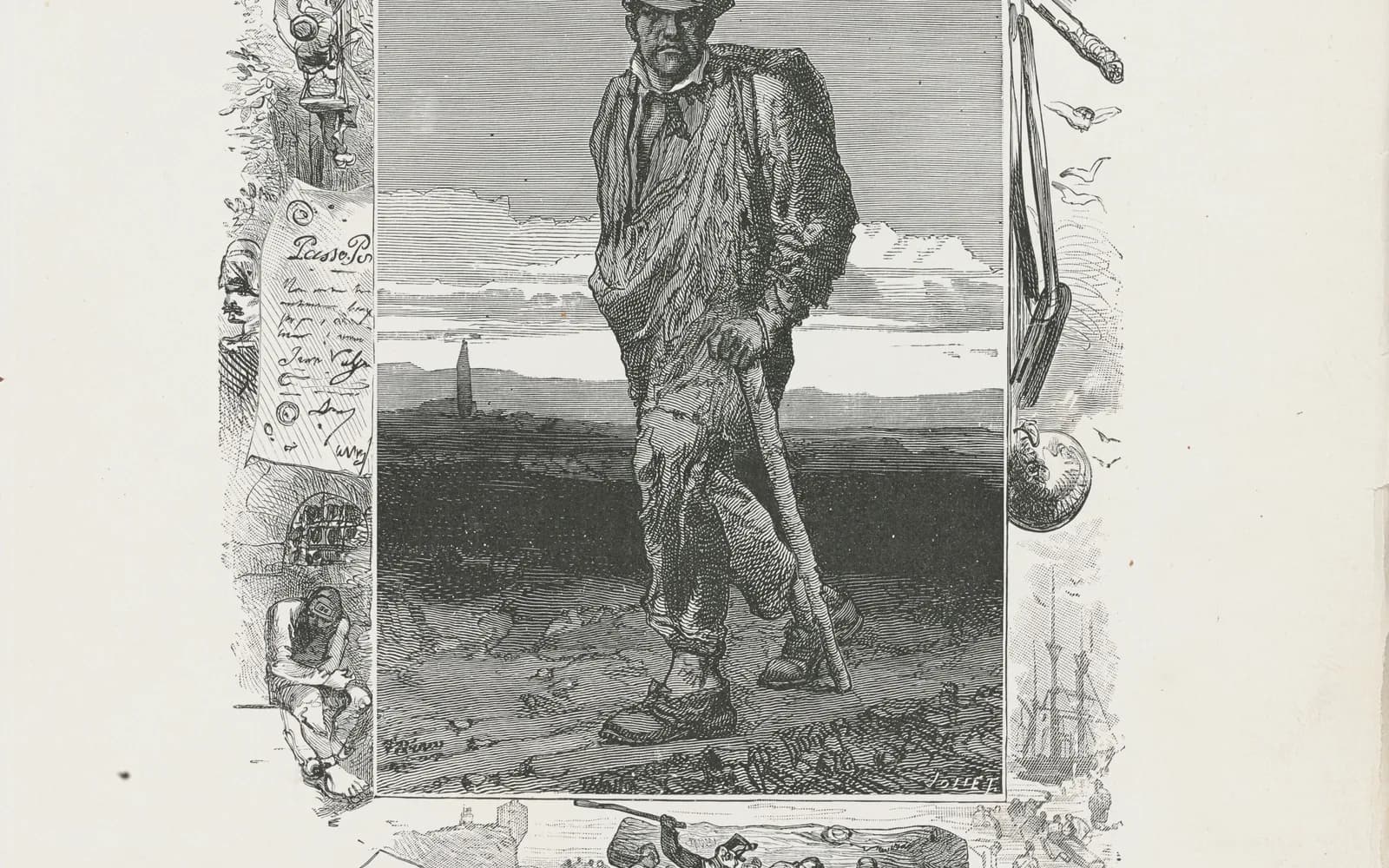
Gustave Brion's 1862 plate of Jean Valjean on the road, a staff in his hand and a pack on his shoulder, set inside a decorated border of scenes from the novel
Read It Anyway

Is Les Misérables Worth Reading, or Is the Musical Enough?

The musical made Les Misérables famous and also trained a generation to think they already know the story. The honest version: how long the book really is, which two books you can skip without losing the plot, and what the songs have no room to argue.

September 12, 2026 · 9 min read

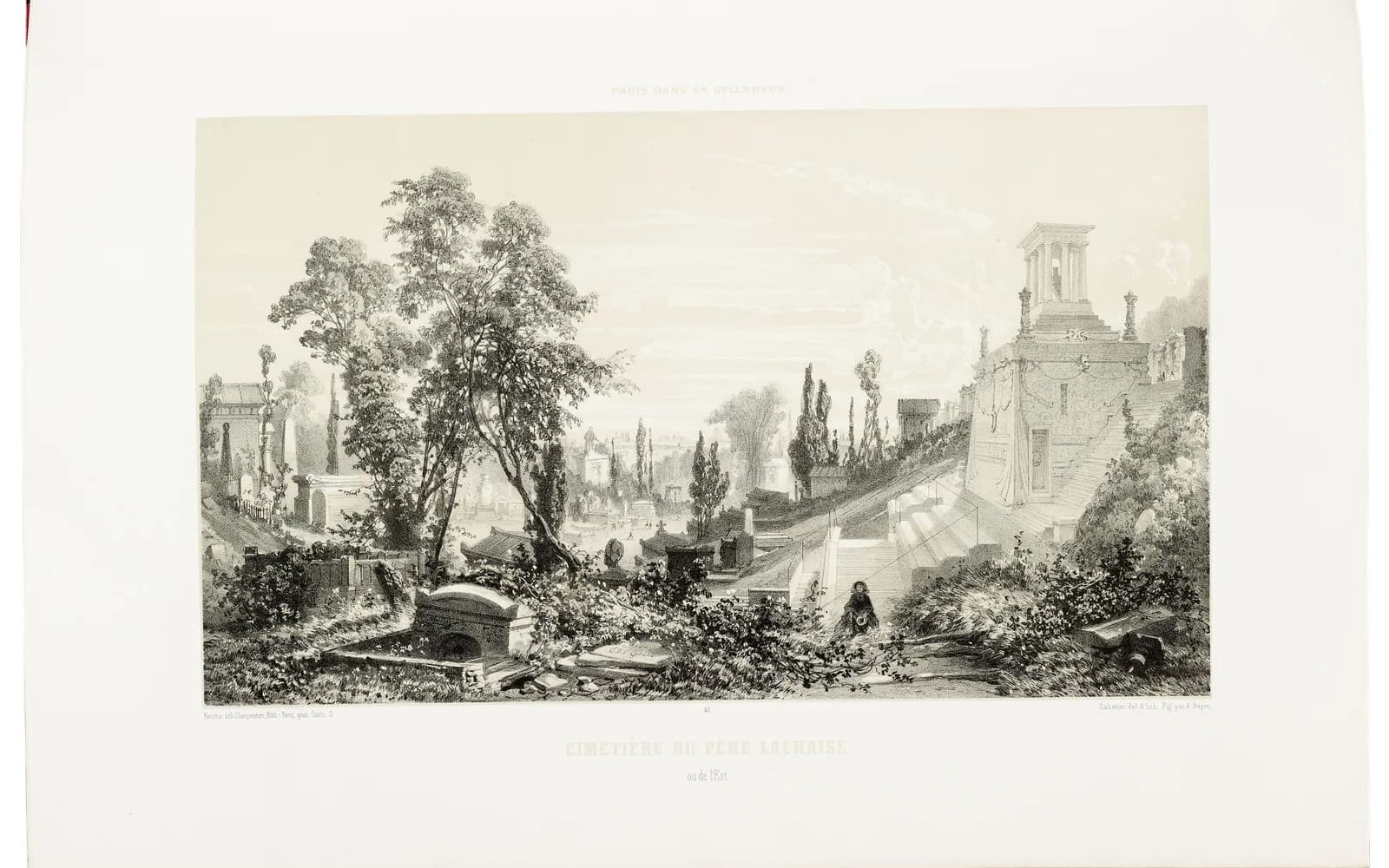
A nineteenth-century engraved view of Père-Lachaise cemetery in Paris, crowded tombs and cypresses climbing a hillside under a pale sky
The Unmarked Grave

Les Misérables Ending Explained: What Happens to Jean Valjean

The musical ends on a barricade full of the dead, singing. The novel ends in a corner of a cemetery nobody walks through, at a stone with nothing written on it. Both are moving, and only one of them is Victor Hugo's.

September 12, 2026 · 8 min read

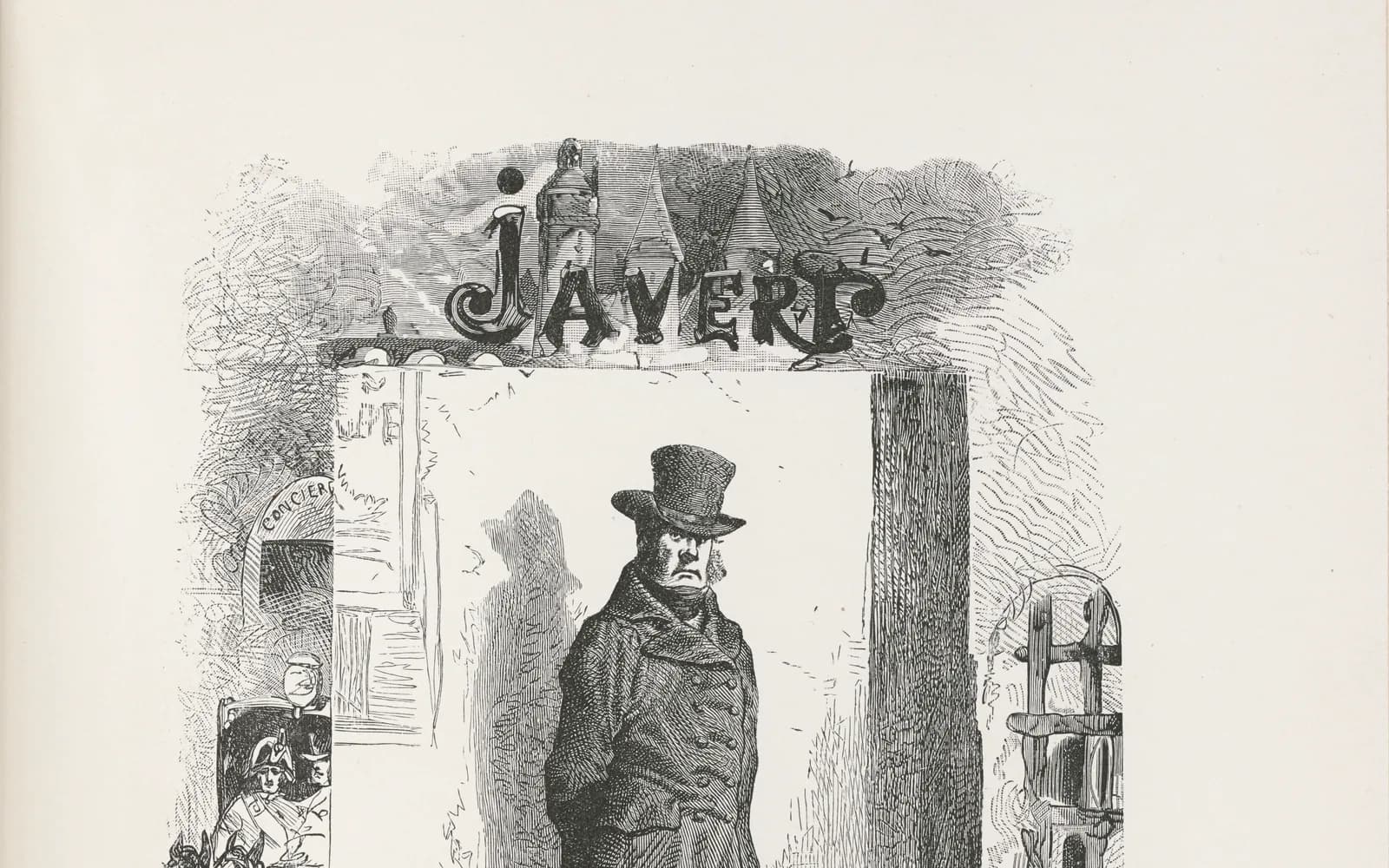
Gustave Brion's 1862 plate of Inspector Javert in a top hat and long coat standing in a doorway, his name lettered across a decorated arch above him
Broken by His Rules

Is Javert a Villain or a Tragic Figure in Les Misérables?

Javert never breaks a rule in five volumes. He is honest, incorruptible, and when he decides he has wrongly denounced his own mayor he demands to be dismissed for it. That record is exactly what kills him.

September 12, 2026 · 9 min read

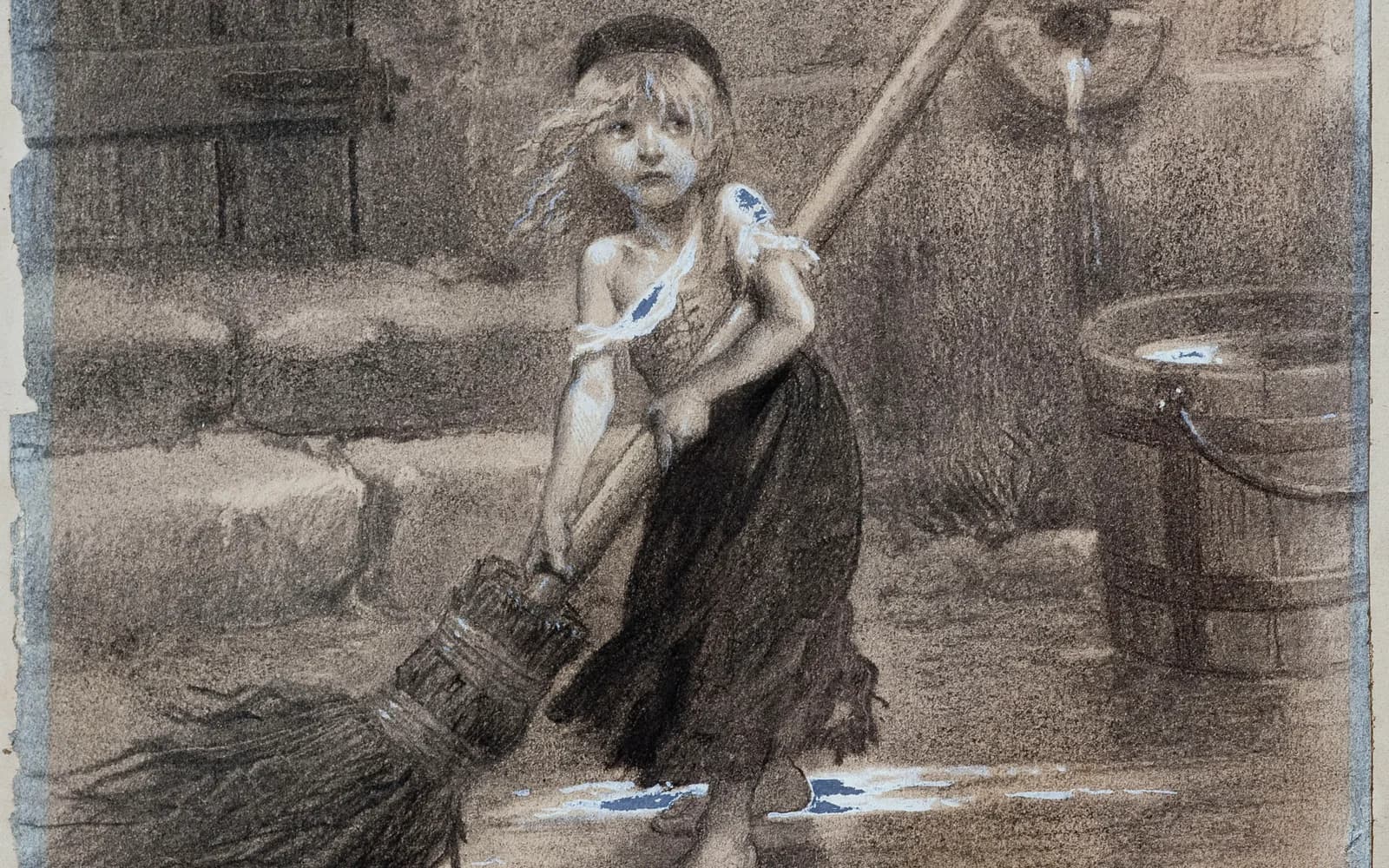
Émile Bayard's 1862 drawing of the child Cosette in rags, gripping a broom taller than she is, standing barefoot in a wet inn yard
Why 19 Years, Really

Les Misérables: Novel vs. Musical — What the Show Left Out

"Nineteen years for a loaf of bread" is the headline everyone carries out of the theatre, and it is not the whole sentence. Hugo does the arithmetic out loud, twice, and the answer changes what Valjean's parole actually means.

September 12, 2026 · 9 min read

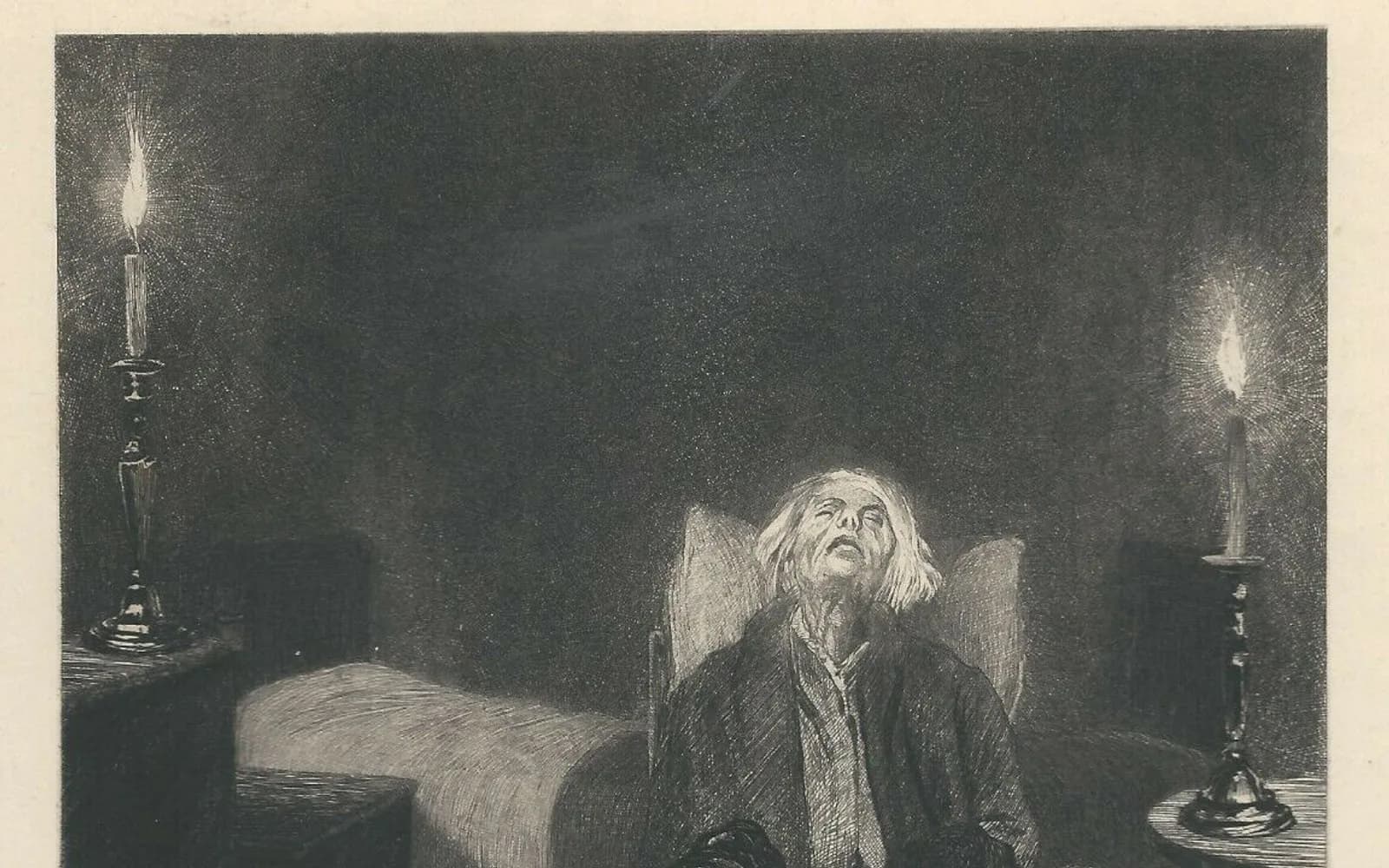
An 1891 engraving of Jean Valjean dying in bed between two lit silver candlesticks, his face turned upward in a dark room
Not in the Book

“To Love Another Person Is to See the Face of God”: Is This Line Actually in the Book?

It is printed on greeting cards and read at weddings, and Victor Hugo did not write it. That is not a gotcha about a bad adaptation. It is a remarkable thing to have happened to a novel, and the sentence Hugo put in the same place is worth knowing.

September 12, 2026 · 8 min read

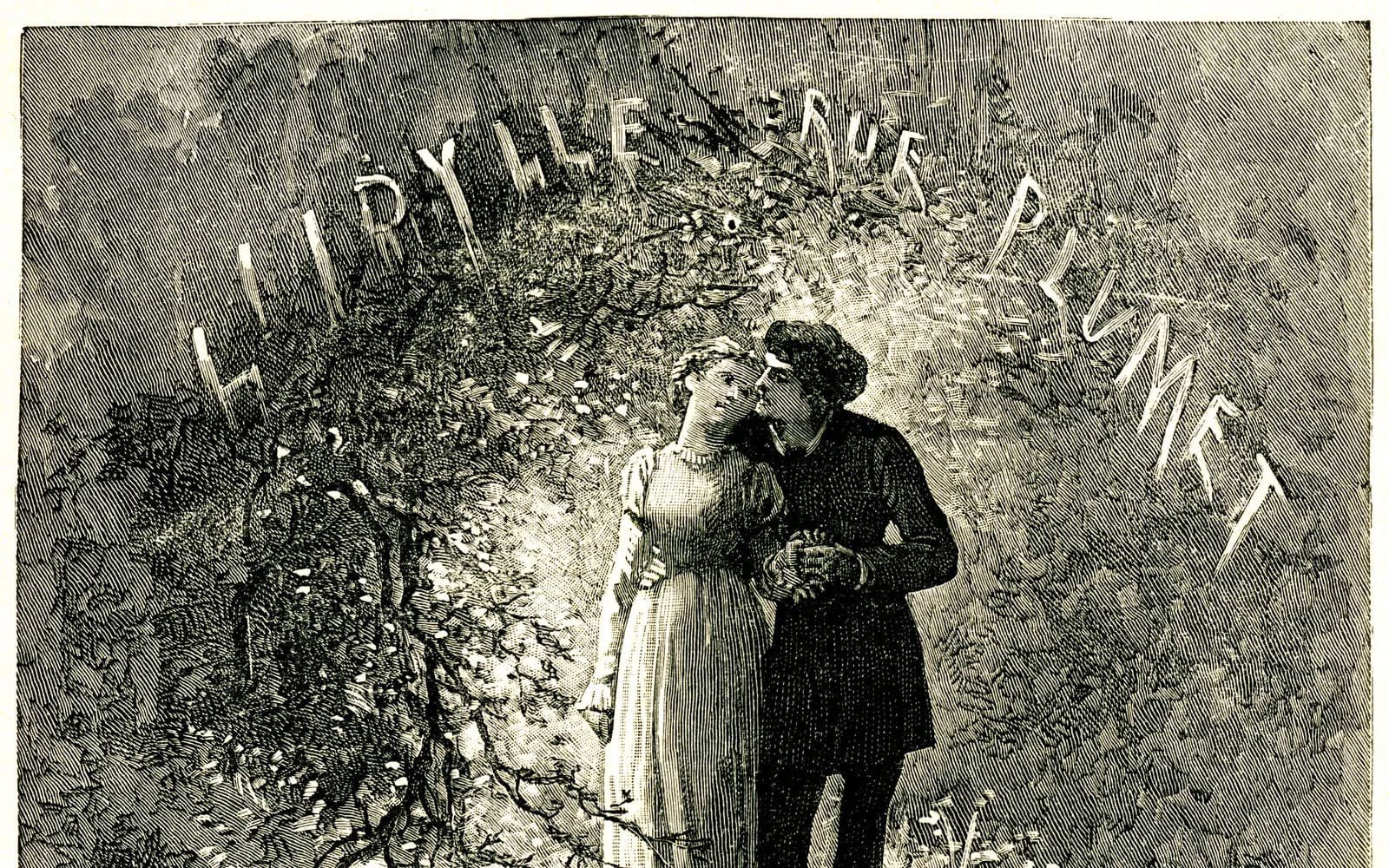
A nineteenth-century engraved title plate for the Rue Plumet section of Les Misérables, Marius and Cosette embracing in a tangled garden beneath the lettered title
Beyond the Cast Recording

Les Misérables Characters Guide: Who's Who, From Valjean to Gavroche

Most people arrive at Les Misérables already knowing four or five voices from a cast recording. The novel has a larger population than the stage can hold, and the people the songs skip are the ones who explain the shape of the book.

September 12, 2026 · 9 min read