Saylia/Blog

Crime and Punishment

Six essays on Dostoevsky’s novel and the playable version of it: the sentence where Raskolnikov names his real motive, what the epilogue actually does with him, who the three people around him are and what a yellow ticket meant, how his “extraordinary man” theory sits against Nietzsche’s Übermensch, which screen version is worth the evening, and whether to start here or with The Brothers Karamazov. Constance Garnett’s translation is free; the game is over here.

Role-play Crime and PunishmentAll book essays
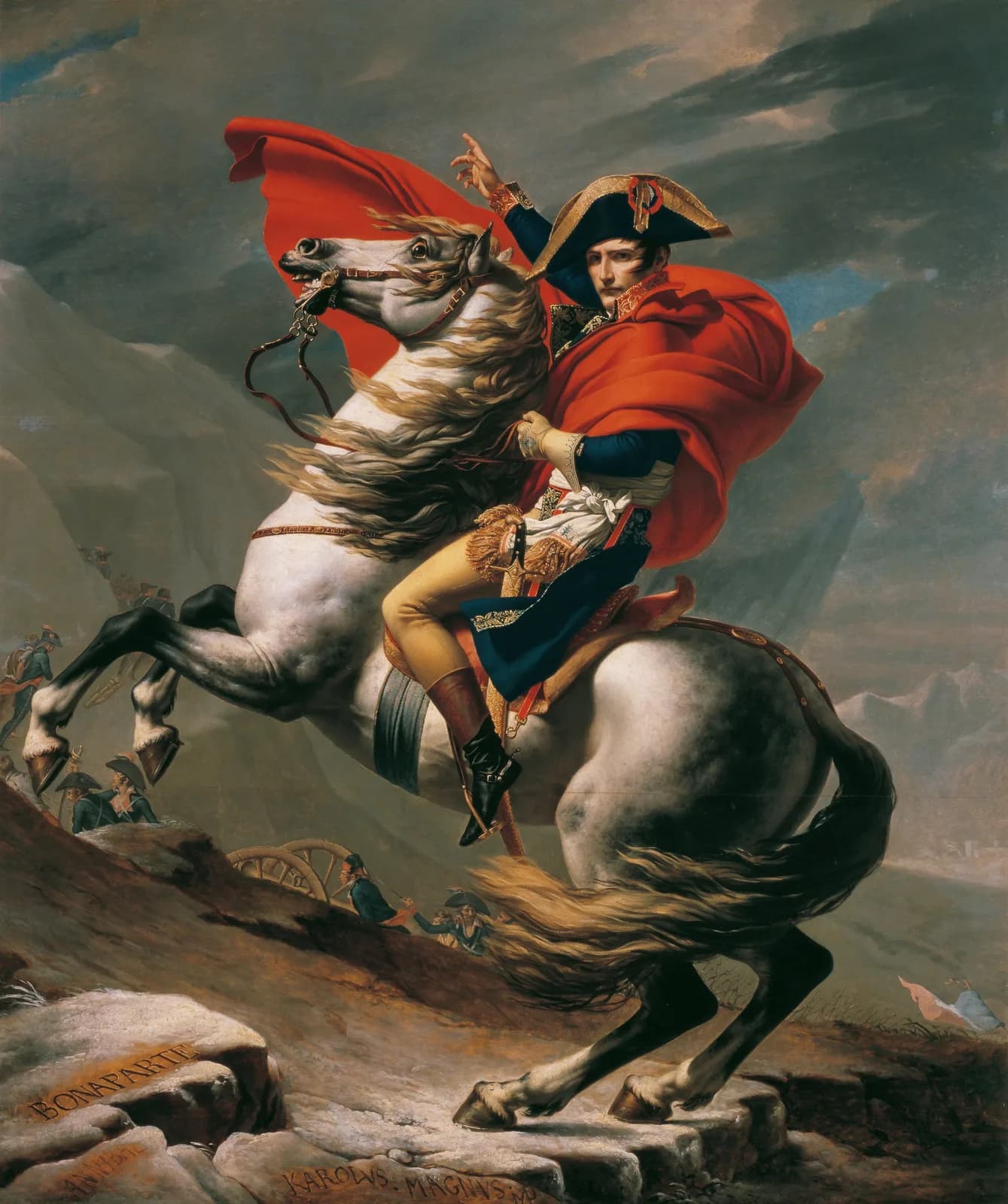
Jacques-Louis David's painting of Napoleon on a rearing horse at the Great St Bernard pass, cloak flying, one arm raised toward the mountain road
The Real Motive

“I Wanted to Become a Napoleon”: What Raskolnikov’s Real Motive Was

He carried the stolen purse across Petersburg to bury it under a stone, and never opened it. Whatever he went up those stairs for, it was not the money.

September 13, 2026 · 8 min read
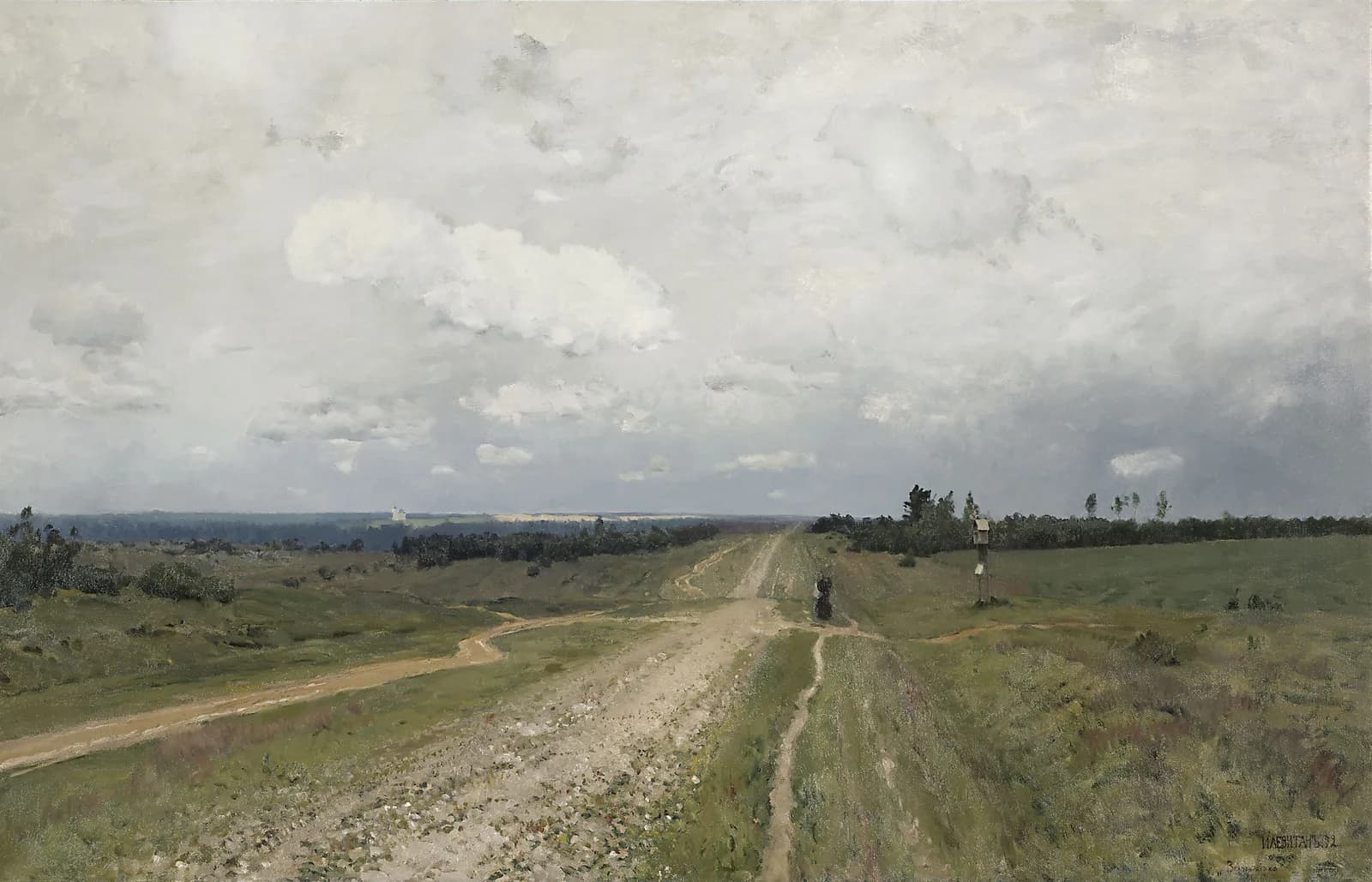
Isaac Levitan's painting Vladimirka: an empty rutted road running east across flat grassland under a heavy grey sky, the route convicts walked into Siberian exile
His Actual Fate

Crime and Punishment Ending, Explained: What Happens to Raskolnikov

The epilogue gives his sentence as eight years, then calls it seven, twice, on the last page. That is the least confusing thing about how this novel ends.

September 13, 2026 · 9 min read

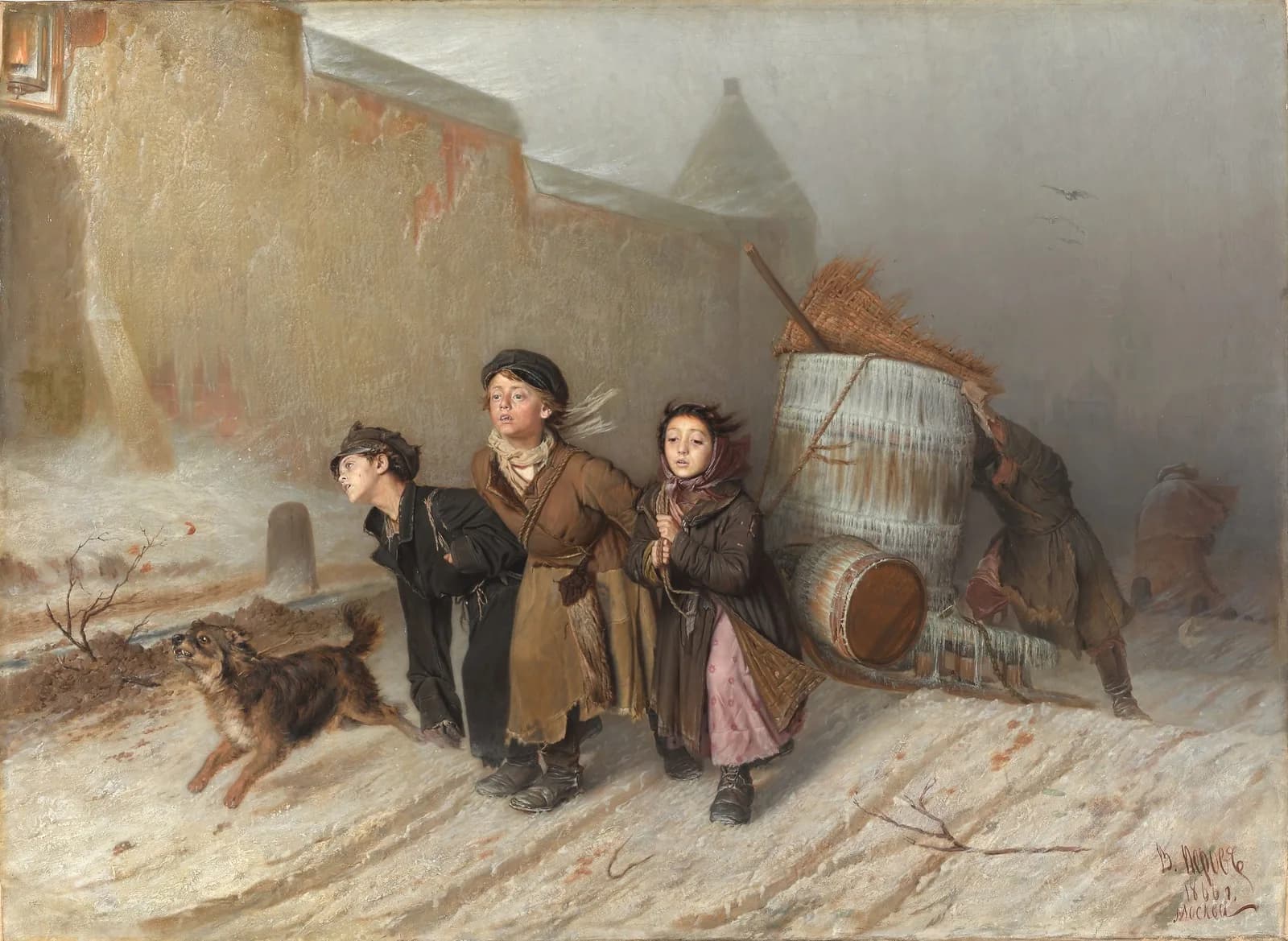
Vasily Perov's painting Troika: three ragged children harnessed together, hauling a barrel of water on a sledge through a Russian winter street
Who's Who, Really

Meet Sonia, Porfiry, and Razumihin: Crime and Punishment's Real Characters Guide

One murderer, three people who matter, and the most-asked question online about any of them is not about the killer at all. It is about his best friend.

September 13, 2026 · 8 min read

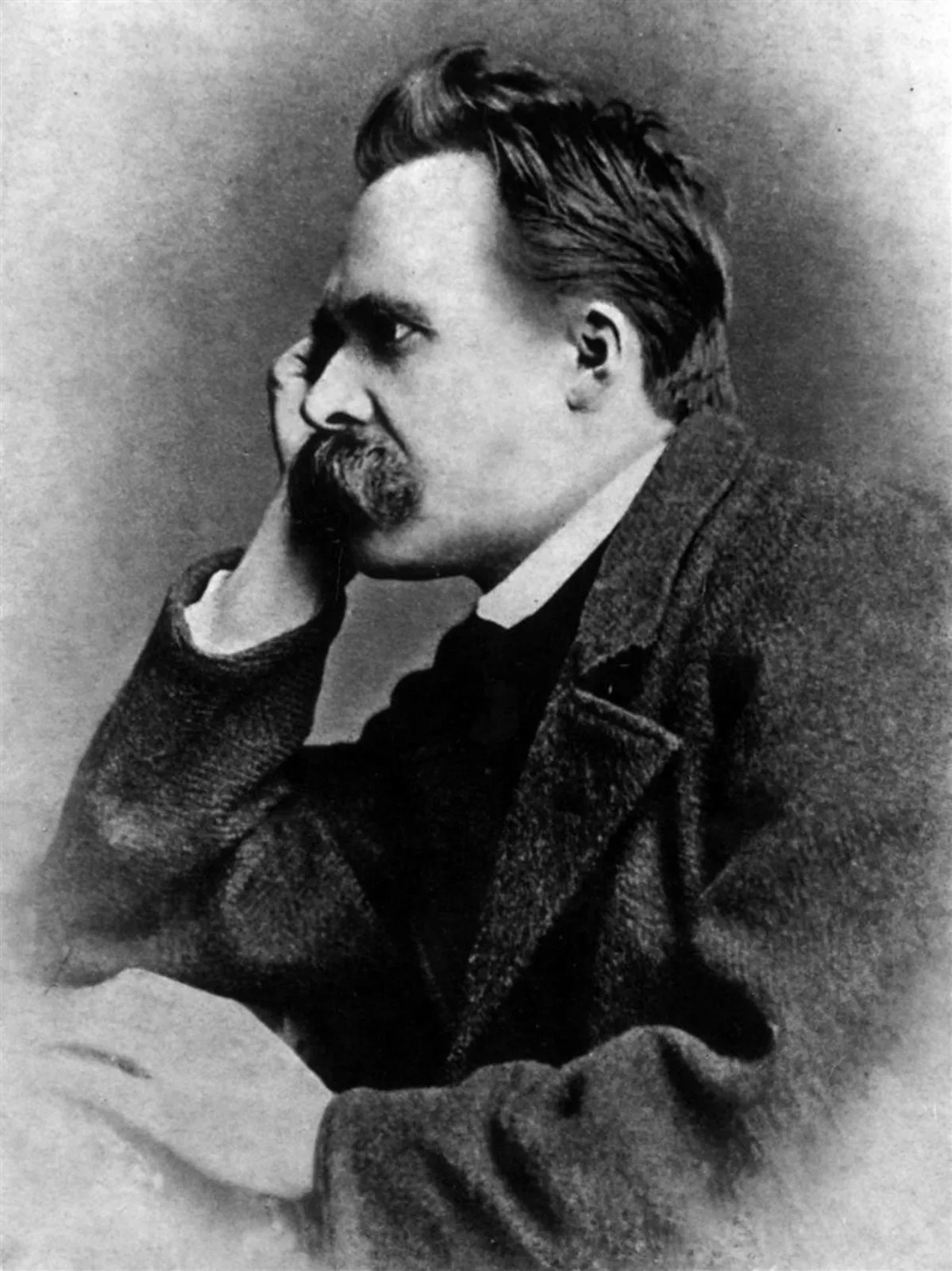
Gustav-Adolf Schultze's 1882 studio photograph of Friedrich Nietzsche in a dark coat, seated, looking away from the camera
Before Nietzsche

Is Raskolnikov's “Extraordinary Man” Theory the Same as Nietzsche's Übermensch?

Nietzsche wrote that Dostoevsky was the only psychologist he had anything to learn from. He wrote it in the same section where he reaches for Napoleon.

September 13, 2026 · 9 min read

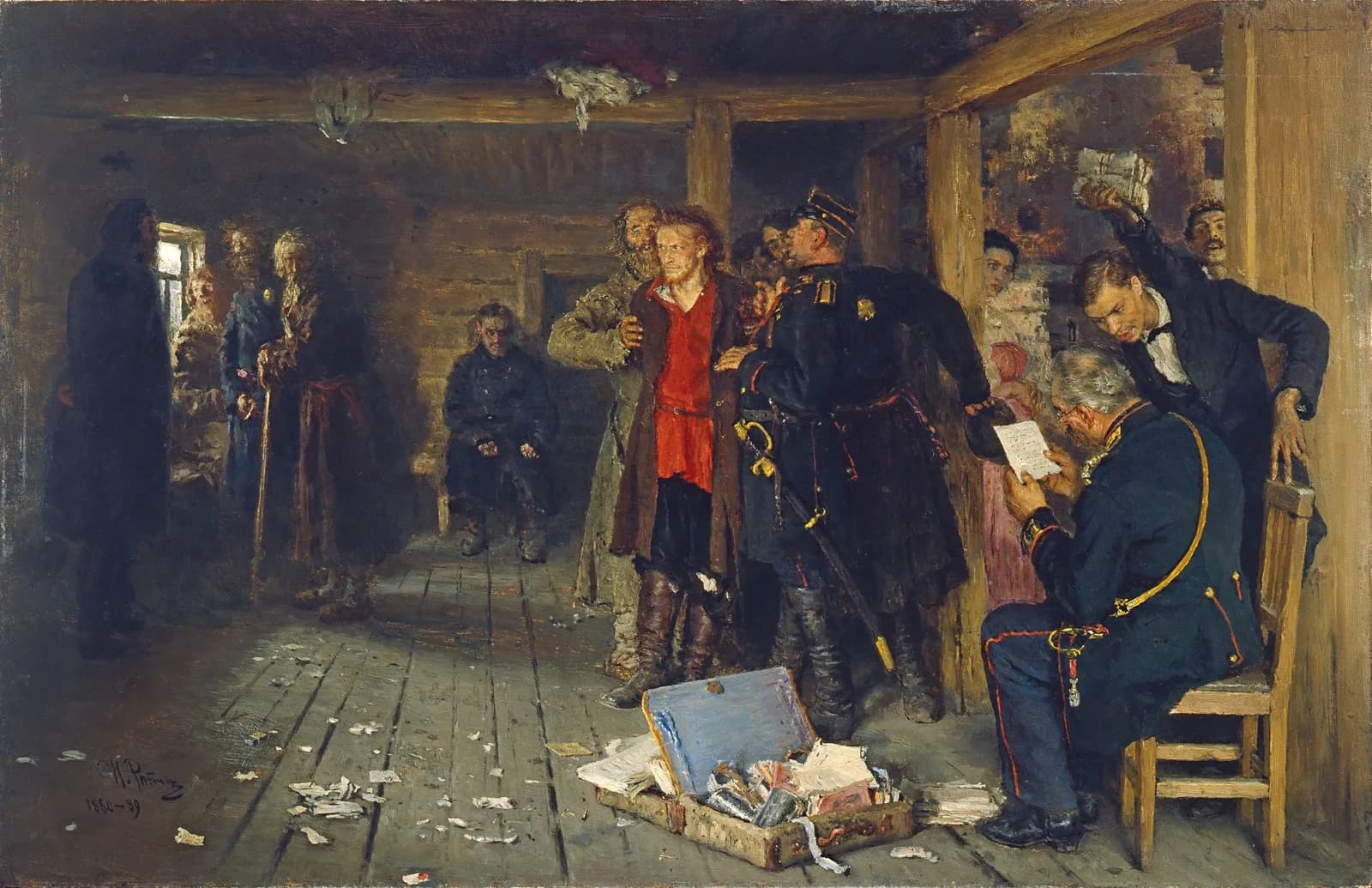
Ilya Repin's painting Arrest of a Propagandist: a young man held by police officers in a crowded peasant room while an official searches papers at a table
Still Holds Up

The Best Crime and Punishment Movie or TV Adaptation, Compared

Every screen version has to solve the same problem: the murder is over by page eighty and the rest is two men talking. Only one of them gives it the time.

September 13, 2026 · 8 min read

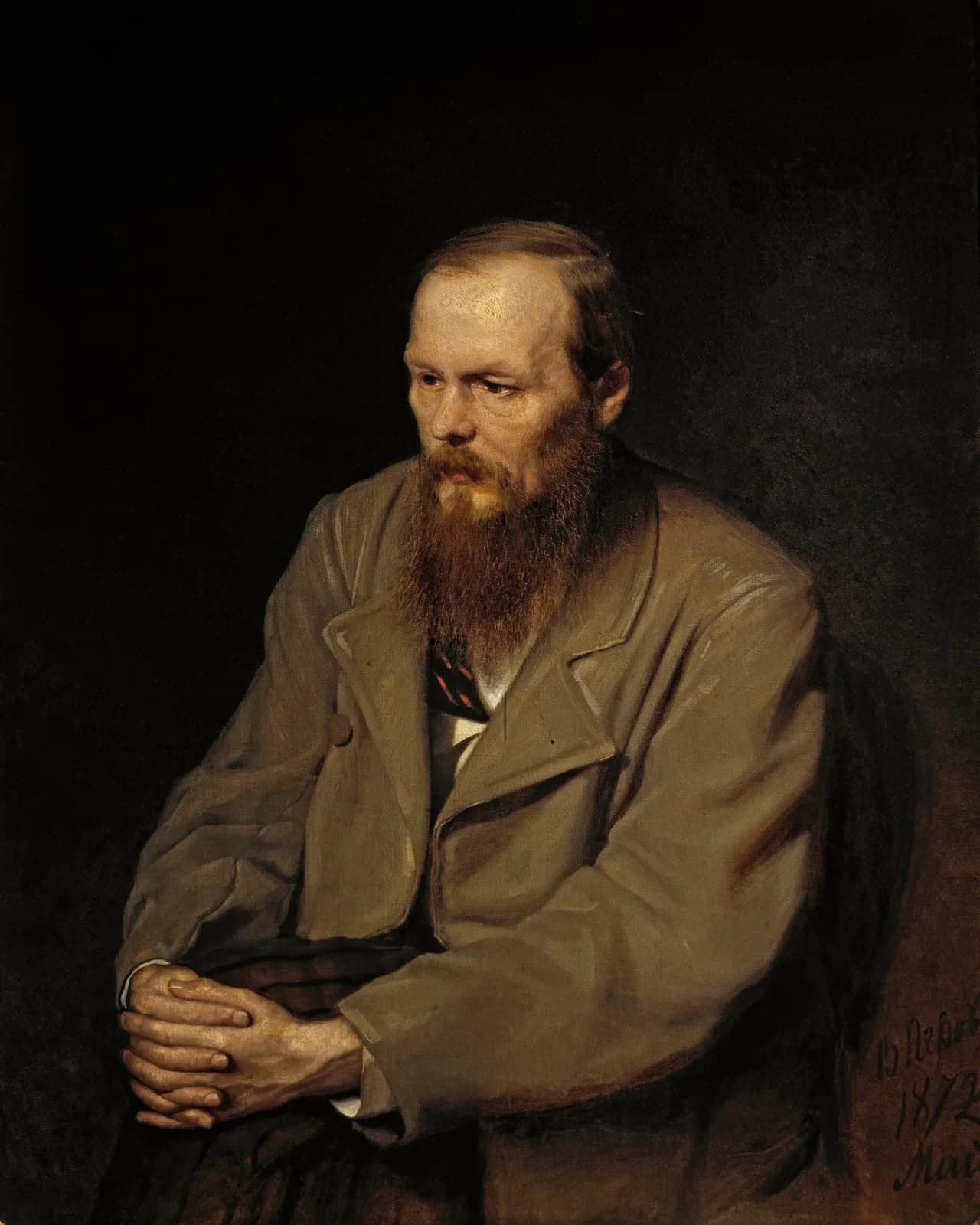
Vasily Perov's 1872 portrait of Fyodor Dostoevsky, seated in a dark coat with his hands clasped over one knee, looking down and away
Start Here First

Crime and Punishment vs. The Brothers Karamazov: Where to Start with Dostoevsky

The argument about which of the two is greater will outlive everyone having it. Which to read first is a much duller question with a much clearer answer.

September 13, 2026 · 8 min read