Saylia/Blog

Water Margin

Essays for the playable Water Margin on Saylia — a fourteenth-century novel about a hundred and eight outlaws, read against the questions readers actually arrive with: which English version to open and which of the three editions it translates, what really happens on the ridge where a drunk man meets a tiger, how the empire turns its most loyal officer into a fugitive, what the pardon at the end of the long version costs, what scholars have actually said about the women in it, and which of the screen versions and games is worth your time.

Role-play Water Margin
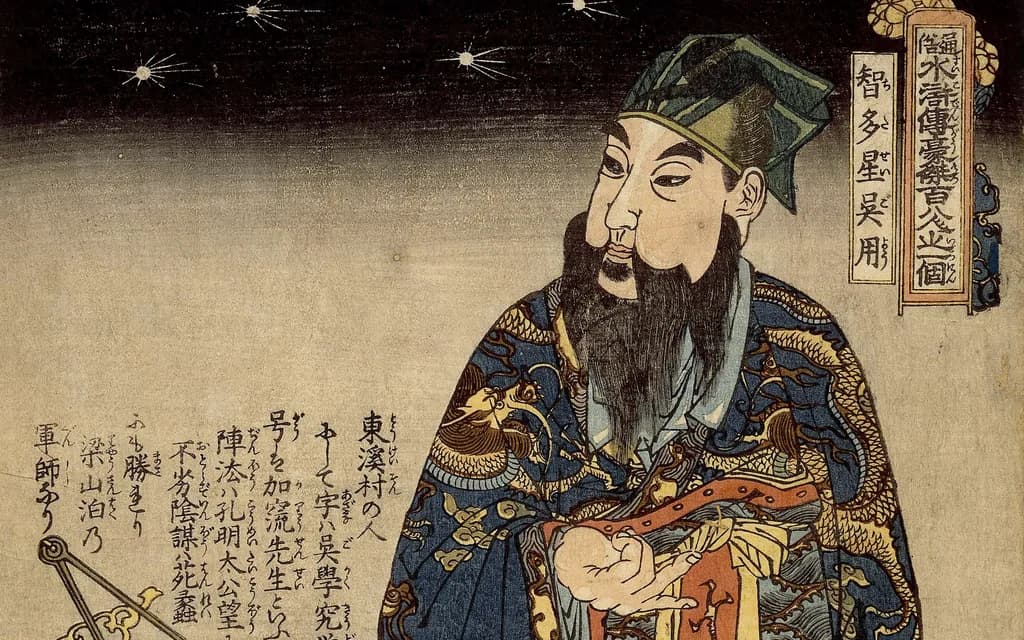
A Japanese woodblock print of Wu Yong, the strategist of the Liangshan outlaws, in dragon-patterned robes beside a celestial globe
Shapiro or Buck

Is Water Margin Worth Reading? Yes, and Which Translation and Edition to Pick

A hundred and eight outlaws, three editions that stop in three different places, and four English versions that quietly disagree about which book you are holding. The honest case for it, and the one that gets you through.

September 4, 2026 · 9 min read

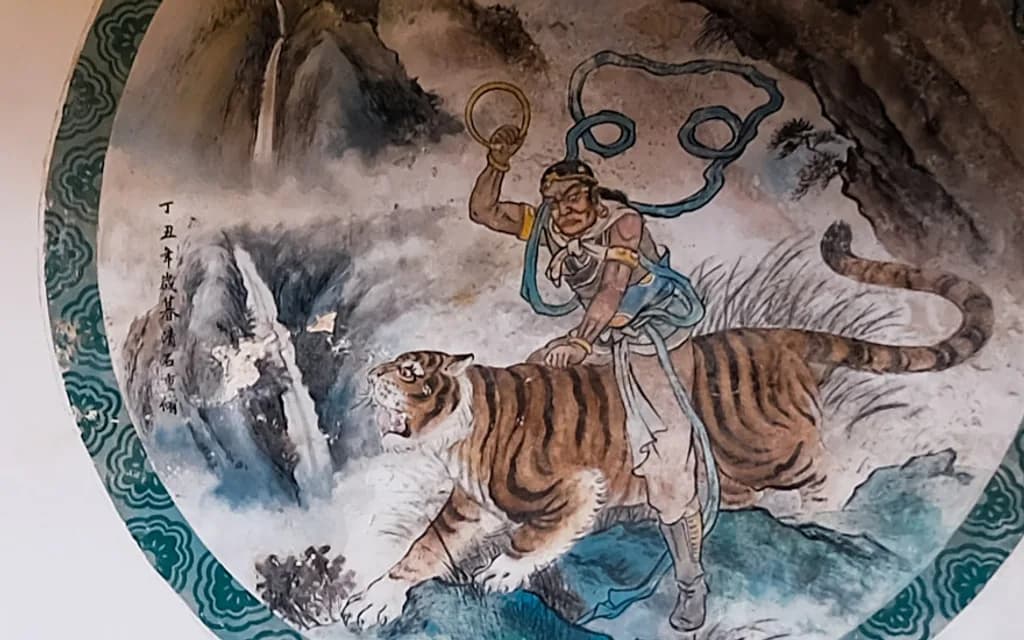
A circular temple wall mural showing Wu Song astride a tiger on a rocky slope, one arm raised, with a waterfall behind him
Eighteen Bowls

Wu Song and the Tiger: the Most Famous Scene in Chinese Literature, Explained

A drunk man walks up a hill past a warning notice he has decided not to believe. Ten minutes later he is kneeling on a tiger in a mud pit with his weapon in two pieces.

September 4, 2026 · 8 min read

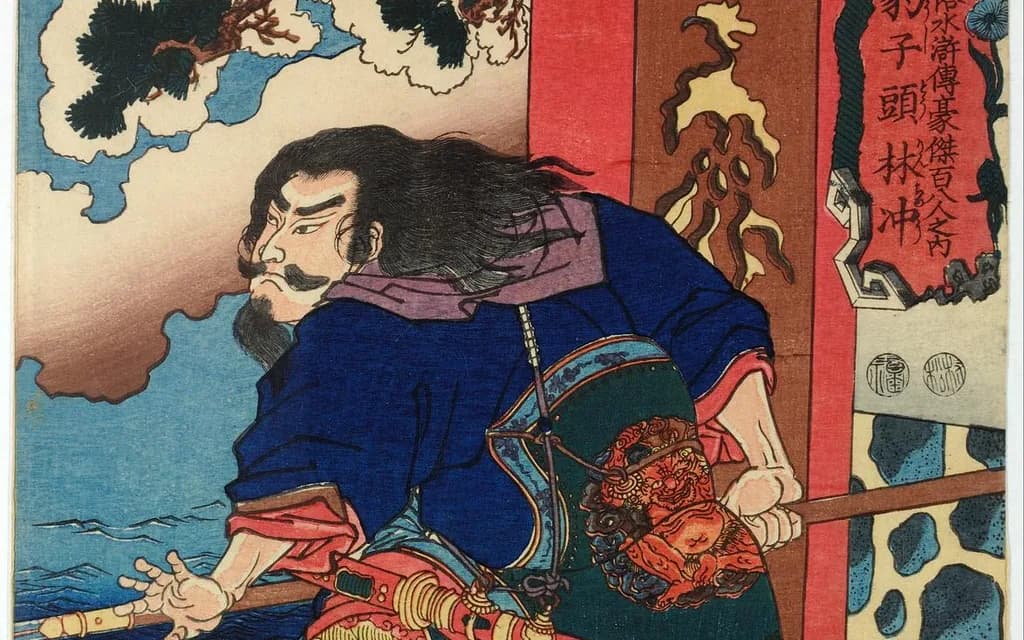
A Japanese woodblock print of Lin Chong, the Panther Head, gripping a spear beside a snow-laden pine and a shrine wall
The Wronged Captain

Lin Chong: Why Water Margin's Most Wronged Hero Is the One Readers Love

He is the most decorated soldier in the book and he does nothing wrong. That is the point: the empire spends nine chapters proving that being blameless is not protection.

September 4, 2026 · 8 min read

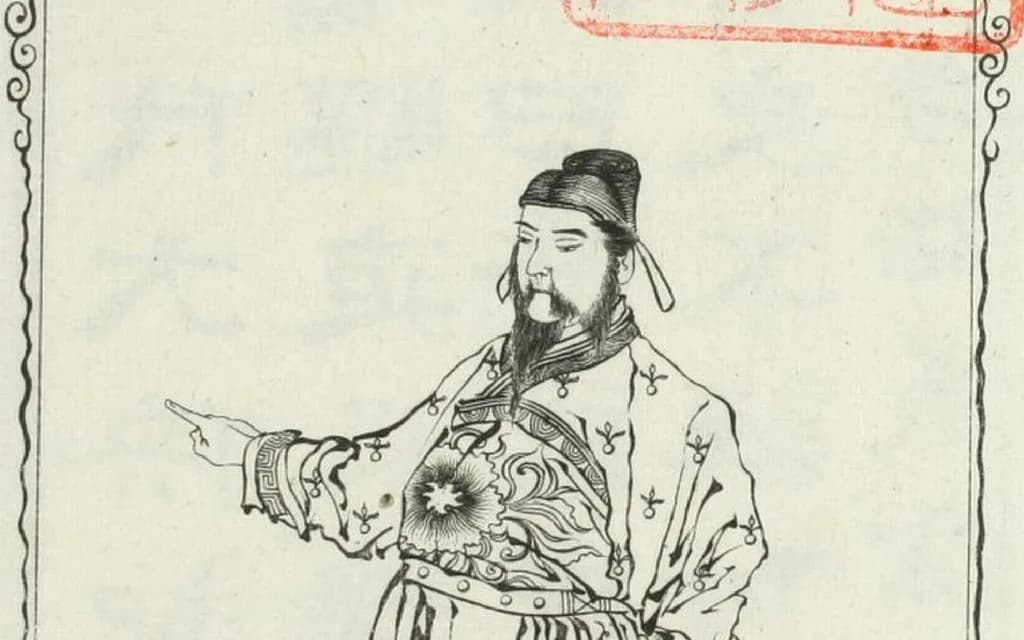
A line illustration of Song Jiang in court robes and cap, one arm outstretched, from an 1883 Japanese edition of the novel
The Amnesty Ending

Was Song Jiang the Worst Leader in Chinese Literature? The Amnesty Ending, Explained

The most divisive leader in Chinese fiction is not a tyrant or a fool. He is a clerk who wants his brothers to be respectable, and the price of that is most of them.

September 4, 2026 · 10 min read

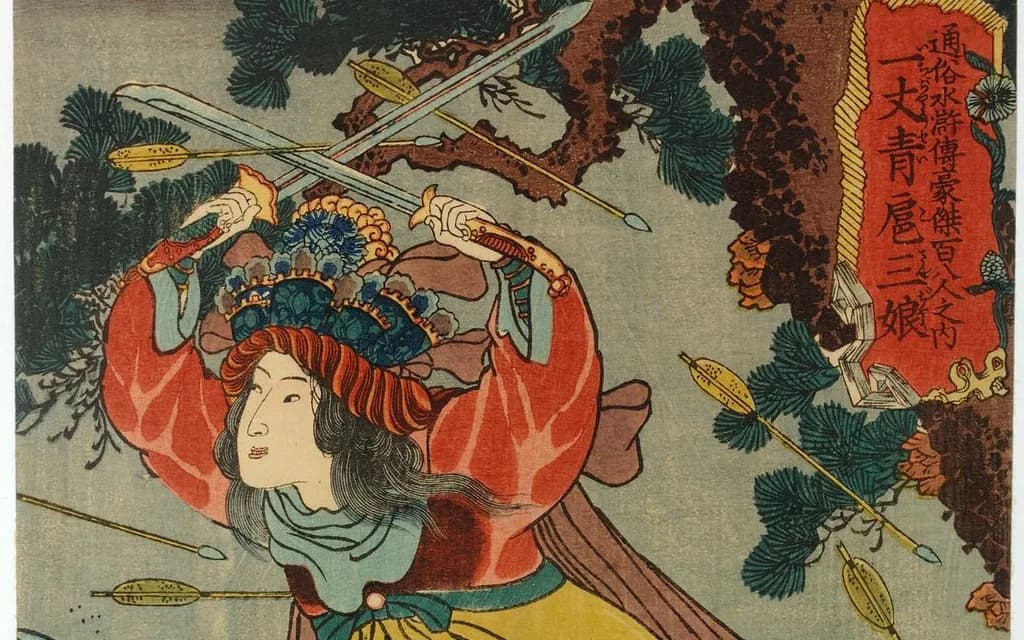
A Japanese woodblock print of Hu Sanniang, the outlaw known as Ten Feet of Green, raising two swords as arrows fly past her
The Women Question

Pan Jinlian and the Women of Water Margin: Is the Book Misogynist, or Only Its Heroes?

Three women in this book get to fight. The rest are mostly there to be killed by men the book admires. Scholars have been arguing about what that means since the 1960s, and they have not settled it.

September 4, 2026 · 9 min read

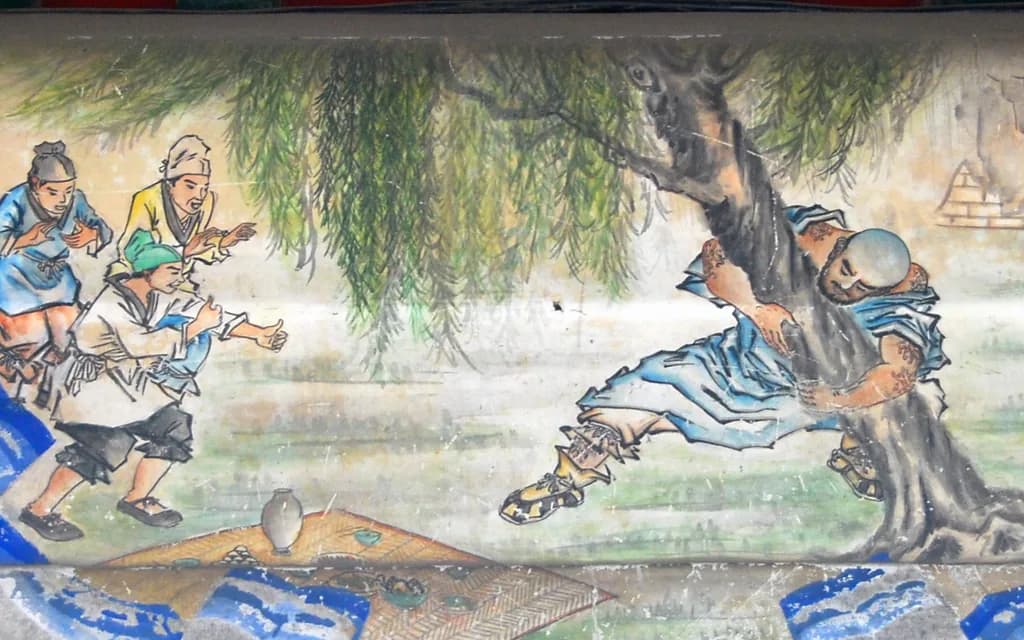
A painted panel on the Long Corridor of the Summer Palace showing Lu Zhishen bracing himself against a willow tree while onlookers watch
Suikoden Came From Here

Every Water Margin Adaptation, Ranked for Faithfulness: 1998, 2011, the 1973 Japanese Series and Suikoden

A Ming emperor banned it, the Qing kept trying, Edo Japan turned it into a tattoo craze, and a Japanese game company borrowed its title and kept the number 108. Ranked by how much of the book each one keeps.

September 4, 2026 · 10 min read