Pride and Prejudice Ending Explained: Where Every Bennet Ends Up
The last chapter is a roll call. Austen tells you who ends up rich, who stays silly and who never learns a thing.


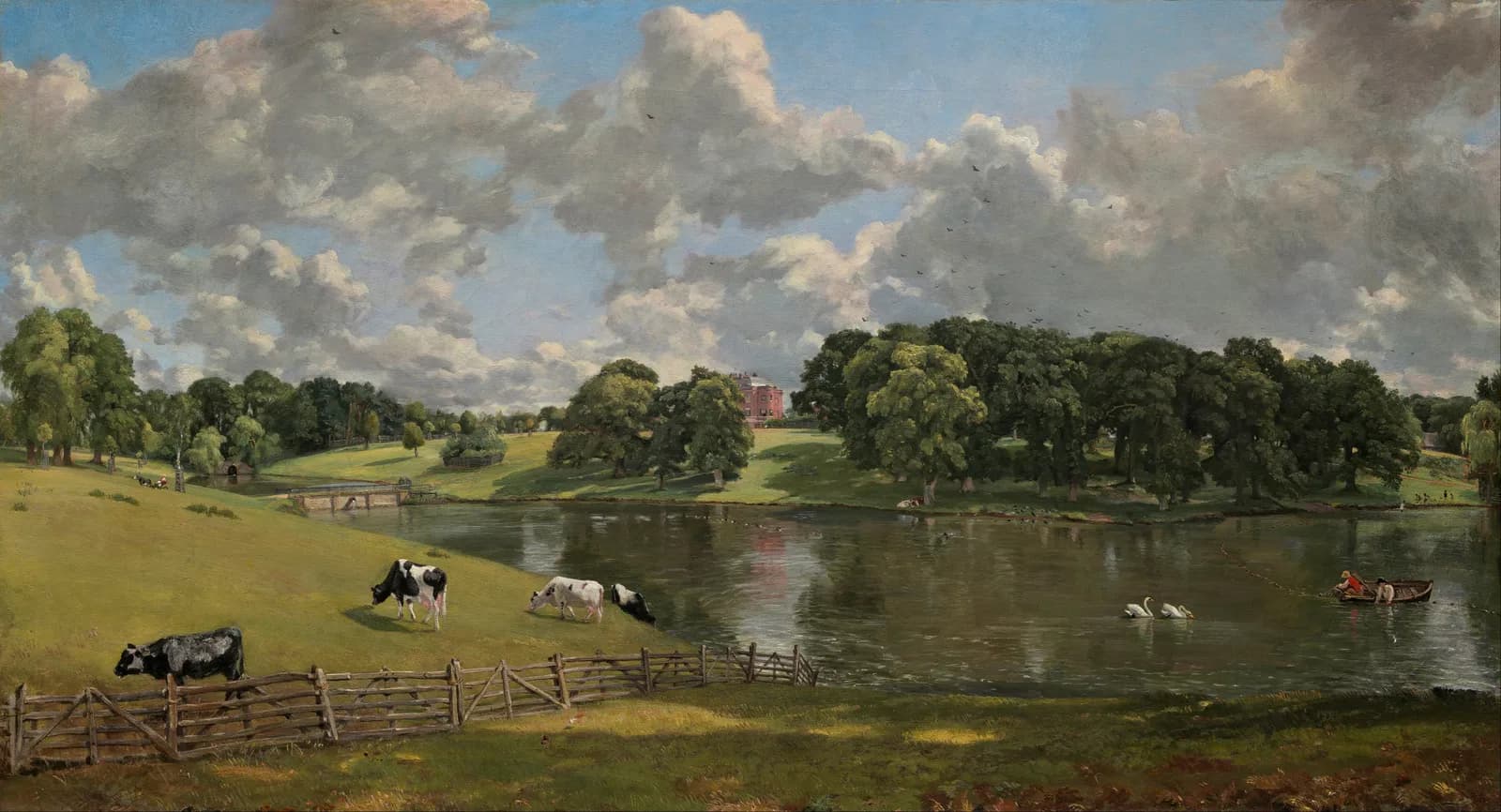
Spoilers for the whole of Pride and Prejudice, including the last chapter’s account of every marriage.
Most readers remember the second proposal and stop there. Austen keeps going for one more chapter, a roll call of where each family member lands, and the proposal that sets it up is a doorway in the playable Pride and Prejudice, where Darcy asks again and the answer is yours to give.
💍 How does Pride and Prejudice end?
With two weddings and a chapter of consequences. The final chapter opens on the day Mrs. Bennet got rid of her two most deserving daughters, and it moves through the family one person at a time, the way a letter home might, telling you who visits whom and who is still asking for help.
Jane and Bingley stay at Netherfield for only a twelvemonth, because living that close to Mrs. Bennet and the Meryton relations is too much even for his easy temper and her affectionate heart, and Bingley buys an estate near Derbyshire. Mr. Bennet misses Elizabeth so much that he travels to Pemberley often, especially when he is least expected.
✉️ Lydia’s letter asking for a place
Austen saves the sharpest paragraph for the couple who never learn. Wickham and Lydia’s characters suffer no revolution from the marriages of her sisters, and the proof is the letter Lydia sends to congratulate Elizabeth on her marriage.
“It is a great comfort to have you so rich; and when you have nothing else to do, I hope you will think of us. I am sure Wickham would like a place at court very much; and I do not think we shall have quite money enough to live upon without some help.”
She names a figure too, a place of three or four hundred a year, and then adds that Elizabeth should not speak to Mr. Darcy about it if she had rather not. Elizabeth had much rather not. She refuses the request in her reply but quietly sends what she can save from her own private expenses, and the couple keep moving from place to place in search of somewhere cheap, always spending more than they ought.
They also outstay their welcome with the Bingleys so often that even Bingley’s good humour gives way and he goes so far as to talk of giving them a hint to leave. The pattern behind the couple is the subject of the essay on Wickham and Lydia, and this chapter is its final evidence.
🏠 Mrs. Bennet, Kitty and Mary
Austen refuses the neat reform. She says she wishes she could report that her daughters’ marriages made Mrs. Bennet a sensible, amiable, well-informed woman, and then admits that she stayed occasionally nervous and invariably silly, which may have been lucky for a husband not built for domestic felicity in so unusual a form.
Kitty is the one real improvement. She spends most of her time with her two eldest sisters, becomes less irritable, less ignorant and less insipid, and her father refuses every invitation for her to stay with Lydia. Mary is the only daughter left at home, pulled away from her accomplishments to keep her mother company, still able to moralize over every morning visit.
🌳 Pemberley: Georgiana, Caroline Bingley and Lady Catherine
Pemberley becomes Georgiana’s home, and she and Elizabeth grow as close as Darcy hoped. Caroline Bingley is deeply mortified by the marriage but wants to keep visiting, so she drops her resentment, grows fonder than ever of Georgiana and pays off every arrear of civility to Elizabeth.
Lady Catherine answers the news with a letter so abusive, especially of Elizabeth, that all contact stops for a time. At Elizabeth’s urging Darcy seeks a reconciliation, and his aunt eventually condescends to call at Pemberley, out of affection for him or curiosity about his wife. The Project Gutenberg text leaves the choice between those two motives open.
🤝 The Gardiners get the last word
The novel’s final sentence is about the aunt and uncle in trade whom Darcy once looked down on. Darcy and Elizabeth stay on the most intimate terms with the Gardiners and both really love them, grateful to the people who, by bringing Elizabeth into Derbyshire, made the match possible. The reference entry on the novel gives the plot through the second proposal; the epilogue on this page is the part summaries tend to skip.
- Two marriages are happy. Jane and Elizabeth end up living within easy reach of each other, away from Meryton.
- One marriage is not. Wickham and Lydia stay in debt and keep writing to her sisters for help.
- Nobody is fully reformed. Mrs. Bennet stays silly and Lady Catherine only half relents, and Austen reports both without softening either.
Sources
- Pride and Prejudice (Project Gutenberg eBook #1342) — Project Gutenberg
- Pride and Prejudice — Wikipedia
- Lydia Bennet — Wikipedia
- Lady Catherine de Bourgh — Wikipedia
Frequently asked questions
- What happens at the end of the book Pride and Prejudice?
- The two eldest sisters marry and settle close together. After a year near their mother, Jane and Bingley move to a county bordering Derbyshire, and Austen adds that Jane and Elizabeth end up "within thirty miles of each other", which she lists as one more source of happiness on top of everything else they have gained.
- Who does Darcy end up marrying?
- Elizabeth Bennet, after her father questions her hard. When she tells Mr. Bennet she has accepted Darcy, he says "He is rich, to be sure, and you may have more fine clothes and fine carriages than Jane", then asks whether that will make her happy. Only her account of what Darcy did for Lydia wins him over.
- What is the significance of the ending of Pride and Prejudice?
- It shows the marriage working, not just happening. Georgiana is at first alarmed by how Elizabeth teases Darcy, then learns from her that "a woman may take liberties with her husband" which a brother will not allow a much younger sister. The final chapter measures the match by how it changes the people living around it.
- What happens to Wickham and Lydia at the end of Pride and Prejudice?
- They stay married, in debt and restless. Austen is blunt that "his affection for her soon sunk into indifference", while Lydia's lasted a little longer. Darcy never receives Wickham at Pemberley, but for Elizabeth's sake he helps him further in his profession, and Lydia visits on her own whenever her husband is away enjoying himself.
- Does Lady Catherine ever forgive Elizabeth?
- Partly, and without grace. She eventually visits Pemberley, but Austen notes she came in spite of "that pollution which its woods had received", not only from Elizabeth as mistress but from visits by her uncle and aunt from the city. Her resentment gives way; her snobbery about the Gardiners does not.
Enjoyed this one?