Who's to blame for Romeo and Juliet? The play is really about the parents (2026)
The most famous love story in the world is named after two teenagers — and it's secretly about their parents. It opens on the feud and ends with the fathers shaking hands over their children's bodies, and in between, Juliet's own father calls his almost-14-year-old daughter “young baggage” and threatens to drag her to church. Shakespeare's real gut-punch isn't that the kids died. It's that the parents finally agreed.


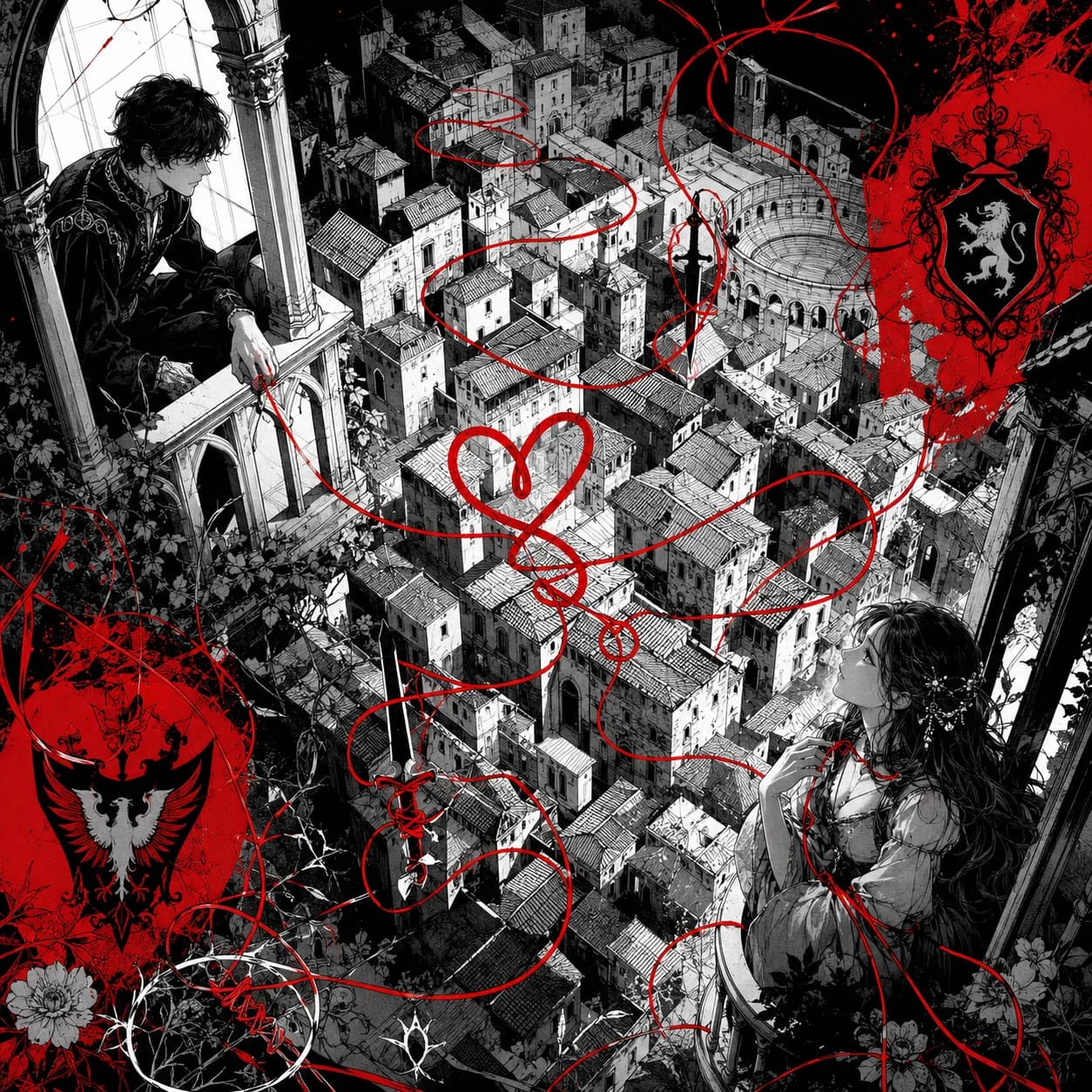
A grown man is screaming at a girl who isn't yet fourteen — days before her wedding — calling her trash and threatening to drag her to church. That man is her father, and this is the most famous love story in human history. The episode opens on his actual words.
Hang thee, young baggage. Disobedient wretch. Get thee to church a Thursday, or never after look me in the face.
We remember Romeo and Juliet as a story about two teenagers in love. Read it again and it's a story about their parents — and the scariest character in it isn't Tybalt or the feud. It's a dad.
- It's named after the kids, built around the parents.The play opens on the feud and ends with the fathers making peace over their children's bodies.
- Capulet flips in 24 hours.From “the hopeful lady of my earth” to “young baggage” — his love turns out to have had a condition on it.
- Juliet is almost 14. Shakespeare lowered her age from his source on purpose, so the cruelty would land harder.
- The gut-punch isn't the deaths.It's that the two fathers finally agree on something — too late, over the bodies.
| The story we're sold | The story Shakespeare built |
|---|---|
| A romance between two teenagers | A family war the teenagers get crushed inside |
| The villain is fate | The engine is two parents who won't back down |
| Juliet's dad loves her | His love flips to contempt in a single scene |
| The tragedy is the deaths | The tragedy is that the dads agree only at the graves |
👪 Named after the kids, but it's about the parents
The Prologue is about “two households.” The very first scene is a street brawl between the two families' men — servants of Capulet and Montague drawing swords before either young lover has said a word — and the last scene is the two fathers shaking hands over their children's bodies. The feud is the frame; the lovers only live and die inside it. Once you notice that the frame of the play is the parents, the famous balcony starts to look like the small bright thing trapped inside a much bigger, colder machine — and the coldest turn in that machine is the one aimed at a child.
Leo, that's Lord Capulet, Juliet's father, three days before the wedding HE picked for her. Right out of act three, scene five. He's calling his daughter, who's not even fourteen yet, trash, and threatening to drag her to church.
🔀 Lord Capulet's 24-hour pivot
What makes the scene land isn't just that Capulet is cruel — it's that he wasn't, a day earlier. In Act 1, Scene 2, when Paris first asks for Juliet's hand, Capulet says she's too young and calls her the most tender thing.
Same dad, total pivot. In act one, scene two, he says, my child is yet a stranger in the world, she hath not seen the change of fourteen years. She is, he says, the hopeful lady of my earth.
And then, a few days later, she declines the groom he chose — and the tenderness evaporates. The love turns out to have been conditional the whole time.
The hopeful lady of his whole earth. That's the line a dad rehearses in his head for the toast at her wedding. And it dies in one afternoon, over a groom she didn't pick.
🕯️ Juliet is almost 14 — and Shakespeare made her younger on purpose
Juliet is not yet fourteen, and that isn't an accident of the era. Shakespeare took the story from an older poem in which the girl is sixteen and deliberately made her younger — so the father's cruelty would hit harder.
Shakespeare, you know, lowered her age from the old poem he worked from, where the girl was sixteen. He made her younger on purpose, so the shock would land harder. Who makes a child younger just to make it hurt more?
And the threat he aims at her is worse than a modern ear first hears. A “hurdle” wasn't a metaphor.
Then act three. He threatens to drag her to church on the hurdle. The hurdle is the sled they used for dragging corpses and condemned criminals through the streets, to execution.
To Shakespeare's audience, that image was literal: a father in public wishing his own not-yet- fourteen-year-old daughter be hauled through the street like a condemned prisoner. That isn't anger. It's contempt.
🤝 The gut-punch: the dads finally agreed
The play's worst moment isn't a death — it's a handshake. After the children are gone, the two fathers who spent the whole play unable to be in a room together suddenly reconcile, agreeing to raise golden statues of each other's child. The peace was always available. It just cost the kids.
And the real gut punch of the play isn't that the kids died. It's that the dads finally agreed on one thing in the end.
Shakespeare drives the point home in the very last line. The title is Romeo and Juliet, but the closing chorus calls it the story of “Juliet and her Romeo” — her name first, right at the exit, as if to say: look who this was really about.
The title is Romeo and Juliet. But the very last line calls it Juliet and her Romeo.
The peace was always available. It just cost the children.
🫀 The voice you catch coming out of your own mouth
This is where a play about a Renaissance father stops being about Verona. The reason Capulet's pivot is so frightening is that it's recognizable — the parent whose warmth had a condition, the adults who build the environment the kids then have to survive. And, harder still, the moment you hear that same voice come out of your own mouth.
There was a Tuesday morning, my kid was annoying about a backpack zipper, I said the sharp thing. And I heard my dad come out of my own mouth. The question that's been with me all afternoon is, when did I start carrying him in my throat?
The other side of it is the one still bracing — the kid who learned which version of a parent to watch for, and never quite stopped watching.
My mom, one Sunday, laughing over her coffee at breakfast. By dinner she'd become someone else, sharp about nothing. The woman laughing that morning wasn't the one across the table from me that night. I was eight, and the sharp one is the version I still brace for.
The most famous love story in the world is a story about parents who couldn't bend until it was too late — the far end of the same feud that had Romeo falling at full speed while still on the rebound from Rosaline, that got Mercutio killed in the middle, and that turned two kids' want into the harder-because-forbidden pull the whole play runs on. It opens the way it ends, before a single body hits the stage. Two households.Hamlet runs the same blame question on a prince who actually gets to think it through out loud.A Tale of Two Cities runs the blame question at the scale of a whole city, and the answer splits about as evenly.
Sources
- Romeo and Juliet, Act 3, Scene 5 (full text) — MIT — The Complete Works of William Shakespeare
- Romeo and Juliet, Act 1, Scene 2 (full text) — MIT — The Complete Works of William Shakespeare
- We've Romanticized a Trauma Narrative: Rethinking Romeo and Juliet — SabihaBas, Medium
- Why do people think this is a romantic book?! (reader forum) — Goodreads
- Romeo and Juliet: A Modern Perspective — Folger Shakespeare Library
Frequently asked questions
- Who is to blame for Romeo and Juliet's death?
- The play points hardest at the parents and their feud. It opens on the Montague–Capulet quarrel and closes with the two fathers making peace over their dead children — and in between, Lord Capulet's fury at Juliet forces her into the desperate plan that kills them both. Shakespeare also invokes fate (“star-crossed lovers”) and the couple's own haste, but the environment the adults create is what makes the tragedy possible.
- How old is Juliet in Romeo and Juliet?
- Juliet is not yet fourteen. In Act 1, Scene 2 her father says she “hath not seen the change of fourteen years,” and the Nurse later pins her at a fortnight short of her fourteenth birthday. Shakespeare lowered her age from his source — Arthur Brooke's 1562 poem, where she is sixteen — which makes her father's later cruelty land even harder on modern readers.
- Why does Lord Capulet turn on Juliet?
- Because she refuses to marry Paris, the husband he chose for her. Early in the play Capulet calls Juliet “the hopeful lady of my earth” and tells Paris she's too young to wed. But when she declines the match days later, he flips in a single scene — calling her “young baggage” and a “disobedient wretch” and threatening to throw her out. His affection turns out to have had a condition attached the whole time.
- What does Capulet threaten to do to Juliet?
- In Act 3, Scene 5 Lord Capulet threatens to drag Juliet to church “on a hurdle” if she won't marry Paris — a hurdle being the sledge used to haul corpses and condemned criminals to execution through the streets. To Shakespeare's audience that wasn't a figure of speech; it meant he'd rather see his own not-yet-fourteen-year-old daughter treated like a condemned prisoner than let her refuse his choice.
- Is Romeo and Juliet about love or family?
- It's framed as a love story but built as a family story. The Prologue is about “two households,” the plot is driven by the feud between them, and the parents bookend the play — an adults' street-brawl opens Act 1, and the two fathers making peace over their children's bodies closes Act 5. The romance is the spark, but the fuel — and the fatal machinery — is the parents: their grudge, their control over Juliet's marriage, and their inability to bend until it's too late.
- How does Romeo and Juliet actually end?
- After the lovers die, the grieving Montague and Capulet fathers finally end their feud and agree to raise golden statues of each other's child. Shakespeare gives the last word a quiet twist: the play is titled Romeo and Juliet, but the closing lines call it the story of “Juliet and her Romeo,” putting her name first on the way out — a final nod to whose tragedy this really was.
Enjoyed this one?