The one Sherlock Holmes case he loses — and the woman who beat him (2026)
You picture Sherlock Holmes as an unbeatable, unfeeling logic machine. But the very first story in the collection is the one he loses — to Irene Adler, a woman he underestimated. Afterward he keeps her photograph and calls her only “the woman.” The one time the machine loses is the most human he ever gets.


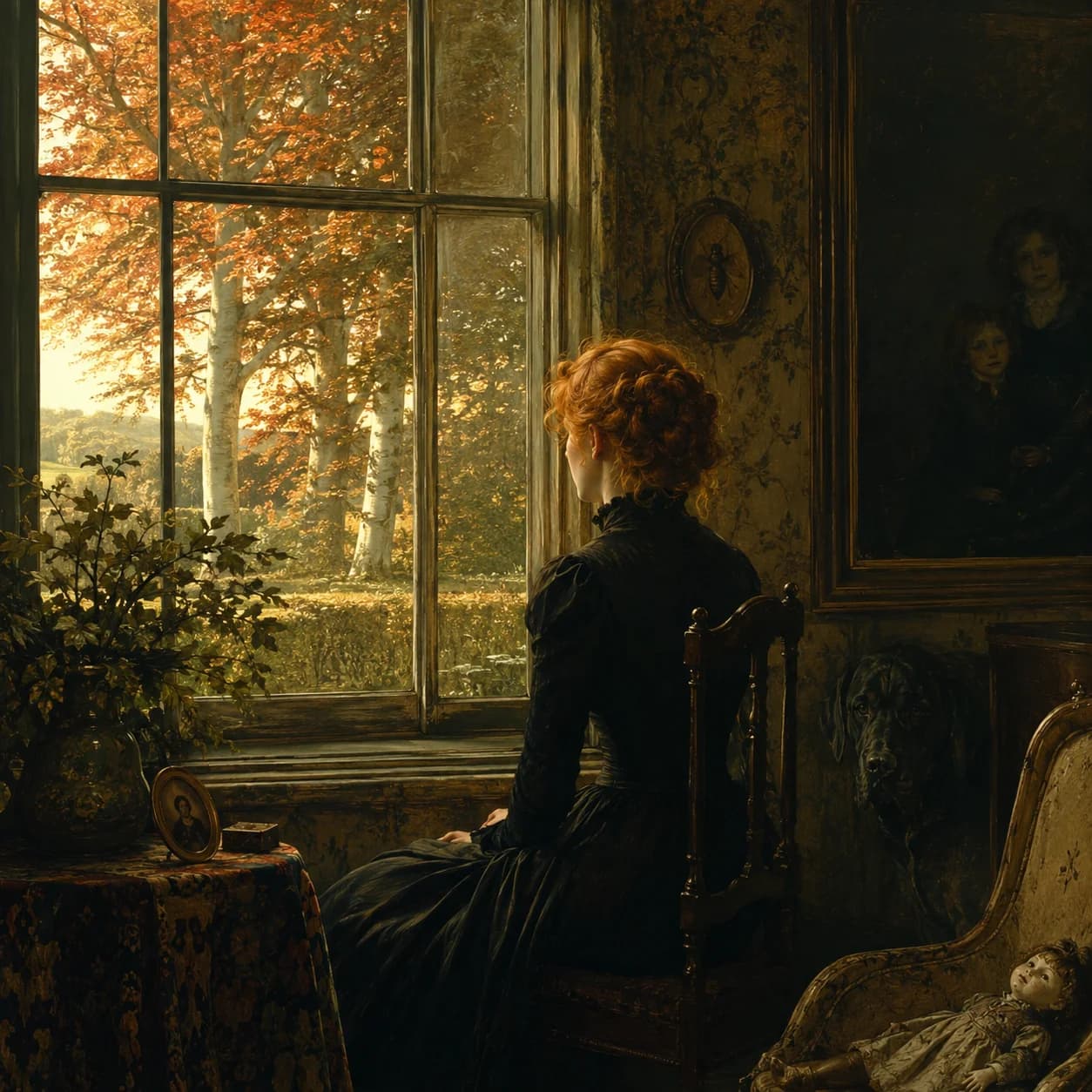
You picture Sherlock Holmes the way everyone does — a cold engine of pure logic who walks into a room, reads the mud on your boots, and knows exactly where you've been. Unbeatable. Unmoved. A machine that never misses. Then you actually open The Adventures of Sherlock Holmes, and the very first story is the one where he loses.
A Scandal in Bohemia — first published in 1891, collected in The Adventures of Sherlock Holmes in 1892 — is Holmes getting out-thought by Irene Adler, a woman he badly underestimated. He never recovers what he was hired to retrieve. Afterward he turns down the reward, keeps her photograph instead, and for the rest of his life calls her only “the woman.” The one time the machine breaks down is the most human he ever gets.
- The first Sherlock Holmes story is a defeat. A Scandal in Bohemia opens the whole collection with the single case he doesn't win.
- Irene Adler out-reads the man who reads everyone. She sees straight through his disguise, keeps the evidence, and is gone before he feels a thing.
- He keeps her photograph and calls her “the woman.” The coldest mind in fiction, quietly sentimental about the one person who beat him.
- Most of what you “know” about Holmes is invented. “Elementary, my dear Watson” isn't Doyle, and the deerstalker came from an illustrator.
| The Sherlock you picture | The one Doyle wrote |
|---|---|
| An unbeatable, unfeeling logic machine | A detective whose first published case is a defeat |
| Says “Elementary, my dear Watson” | A line that appears nowhere in Doyle's 60 stories |
| Wears the iconic deerstalker cap | Doyle wrote a plain cloth travelling-cap; the hat came from an illustrator |
| Too cold to care about anyone | Keeps one woman's photograph for the rest of his life |
🎭 The one time the machine loses
The King of Bohemia is about to marry, and an old affair could sink him: an opera singer named Irene Adler is holding a compromising photograph — the setup the myth of Holmes has swallowed whole. Real leverage, and just like that the most powerful man in the story is the one panicking. He hires Holmes to get the picture back. This is supposed to be an easy job for the greatest detective in fiction.
A Scandal in Bohemia, the first of the twelve, eighteen ninety-two. Doyle opens with the one case Holmes doesn't win.
Holmes does what Holmes does. He shows up in disguise, stages a fake fire, and watches: in a panic, Adler runs straight to where the photograph is hidden, and he clocks the spot. He's sure he's won. He's already walking out the door. Except she saw through the whole performance — she leaves him a note that reads, I have been trained as an actress myself, and she's gone, photograph and all. She had his number the entire time, and the great detective never once felt it. Read from the original 1892 text, the takedown is almost gentle. She simply out-thought the man who out-thinks everyone.
👑 Why he calls her “the woman”
The story's very first line tells you where this is going before a single clue is dropped: “To Sherlock Holmes she is always the woman. I have seldom heard him mention her under any other name.” Not Irene. Not Miss Adler. The woman — capital W, no other name — parked at the head of a book full of people Holmes files, solves, and forgets.
Just the Woman. Capital W, no other name. The cold rationalist meets the one person who gets the better of him, and hands her a title for life.
And here is the tell most people miss: he never gets the photograph back. When the King offers a reward, Holmes turns down the money and asks instead for a plain portrait of Adler, just to keep. The man who claims to have purged sentiment from his mind wants a picture of the one person who beat him. A century and a bit later, readers still single her out — on Goodreads, one of the most-liked reviews of the collection argues that Holmes may be one of the greatest characters ever written, but Doyle's real masterpiece was Irene Adler.
🕵️ The Sherlock in your head is mostly invented
Once you notice the first story is a loss, another thing starts to unravel: a huge share of what you “know” about Holmes was never written by Doyle at all. The line everyone quotes, “Elementary, my dear Watson”, appears nowhere in the sixty stories — it was assembled by later stage and screen adaptations. Even the hat is borrowed: the iconic deerstalker was the invention of Strand illustrator Sidney Paget, who drew Holmes for the magazine. Doyle only ever put him in a plain cloth travelling-cap. The silhouette you see when you close your eyes is fan-memory stacked on top of fan-memory.
Constantly. I mean, the BBC's Sherlock did her story in twenty-twelve, and it pulled almost nine million viewers, its highest since the pilot.
And the reinventing never stops — least of all with Adler. The 2012 BBC episode “A Scandal in Belgravia” drew 8.75 million viewers, the show's highest-rated episode since its pilot, and rebuilt Adler as a dominatrix and near love-interest who taunts Holmes about being the woman who beat him. It's a terrific hour of television — but that framing is the show's, not Doyle's. In the 1892 text she doesn't flirt with him or pine for him. She simply out-thinks him and leaves. The adaptations keep dressing her up because the core is so durable: a woman who saw through the unreadable man.
🪞 Being out-read by someone you looked down on
A story this old still stings because Adler beat Holmes with a very ordinary human move: strip away the gaslight and the disguise, and all she did was let herself be underestimated, then use it. You've been on both ends of that. The interview candidate you wrote off in the first ten minutes who quietly ran the whole room. The soft-spoken coworker you decided wasn't really paying attention — right up until they repeated, in a meeting, the offhand thing you muttered once and thought no one caught. Getting a person completely wrong, and finding out they had your number the entire time, is a specific and unforgettable kind of sting.
He looked at me like he'd never seen me before in his life. For four seconds, I was the sharpest kid in that room, and we both knew it. And he never found out I'd done it on purpose.
There's a flip side, too, and it's just as sticky: being the one who got written off, and quietly, secretly being right the whole time. Either way, the thing you remember isn't the deduction — it's the feeling. That's exactly what happens to Holmes. In a book of cold, clean solves, the story where he loses is the only one where he turns into a person: he meets someone who saw straight through him, and he never gets over it.
The one time the machine loses is the only time it turns into a man.
So the next time you reach for Sherlock Holmes as shorthand for a mind that never misses, remember that the first story in the book is the one he loses — and that the loss is the only moment he becomes a person. The one relationship he never had to win is waiting right after it: the friend who saw him just as clearly, every single day, and stayed. That's Watson — and playing him is a story of its own.
Sources
- The Adventures of Sherlock Holmes (1892 text) — Project Gutenberg
- The Adventures of Sherlock Holmes — reader reviews — Goodreads
- A Scandal in Belgravia (2012 BBC episode) — Wikipedia
- Elementary, my dear Watson — Wikipedia
- Sidney Paget — Wikipedia
Frequently asked questions
- Did Sherlock Holmes ever say “Elementary, my dear Watson”?
- No. The exact phrase “Elementary, my dear Watson” appears nowhere in Arthur Conan Doyle's 60 Sherlock Holmes stories. Holmes says “Elementary” in one tale and calls Watson “my dear Watson” in others, but the two are never joined in Doyle's text. The catchphrase was popularized by later stage and film adaptations and has been repeated so often that most people assume it's canon. It isn't.
- Who is Irene Adler?
- Irene Adler is an opera singer who appears in “A Scandal in Bohemia” (1892), the opening story of The Adventures of Sherlock Holmes. She holds a compromising photograph over a European king, and Holmes is hired to steal it back. Instead she sees through his disguise, keeps the photo, and slips out of the country — the rare adversary who outwits Holmes, and the one he never forgets.
- Did Sherlock Holmes wear a deerstalker in the books?
- Not in Doyle's words. The now-iconic deerstalker cap was added by Sidney Paget, the illustrator who drew Holmes for The Strand Magazine; Doyle himself wrote only of a plain cloth travelling-cap. Readers absorbed Paget's pictures alongside the prose, and the hat became inseparable from the character — an image supplied by the artist, not the author. The deerstalker is an illustration, not a line of text.
- Why does Sherlock Holmes call Irene Adler “the woman”?
- Because she beat him. “A Scandal in Bohemia” opens: “To Sherlock Holmes she is always the woman.” Adler is the single adversary who out-thought him — she recognized him in disguise and escaped with the evidence he was sent to recover. For a man who files everyone he meets into a type and dismisses them, granting her a permanent, capital-W title is how he marks the one person who ever got the better of him.
- Is Irene Adler in love with Sherlock Holmes?
- In Doyle's original story, no. Adler marries another man, Godfrey Norton, and happily leaves London. Holmes, for his part, admires her mind rather than pining after her — he keeps her photograph as a trophy of respect, not a love token. The romantic reading comes largely from later adaptations, especially the 2012 BBC “Sherlock” episode. In the 1892 text, what's between them is mutual respect, not romance.
Enjoyed this one?